


Outdoor decor works hard. It sits in direct sun, gets soaked by rain, bakes on hot patios, freezes overnight, and sometimes takes a beating from wind-blown grit or sprinklers. Over time, that exposure shows up as fading paint, chalky finishes, rust spots, cracked resin, cloudy glass, or fountain pumps that struggle after a season of debris.
The good news: you can protect outdoor decor without turning it into a high-maintenance hobby. The key is understanding what actually causes damage (UV light, moisture, temperature swings, salts, and abrasion) and then matching simple protection steps to the material you own. Below are practical, experience-based outdoor decor tips you can use to extend the life of yard art, garden statues, spinners, bird baths, and fountains—while keeping them looking the way you bought them.
Why outdoor decor gets damaged: the 5 main culprits
- UV light (sun exposure): UV breaks down pigments and binders in paint and coatings. It causes fading, chalking (a dusty residue), brittleness, and loss of gloss. If you’re trying to prevent sun damage outdoor, UV management is the first priority.
- Water and humidity: Moisture drives rust on metal, encourages mineral deposits on fountains, and can swell or crack porous materials.
- Freeze-thaw cycles: Water expands as it freezes. If water sits in tiny pores or cracks, it can widen them, leading to chips and fractures—especially in concrete, terracotta, and some resins.
- Wind and abrasion: Windblown dust and sand act like sandpaper. Constant movement can also loosen fasteners on spinners and stakes.
- Chemicals and salts: Pool chemicals, fertilizer overspray, de-icing salts, and even hard-water minerals can stain and degrade finishes.
Start with smart placement (the easiest protection you’ll ever do)
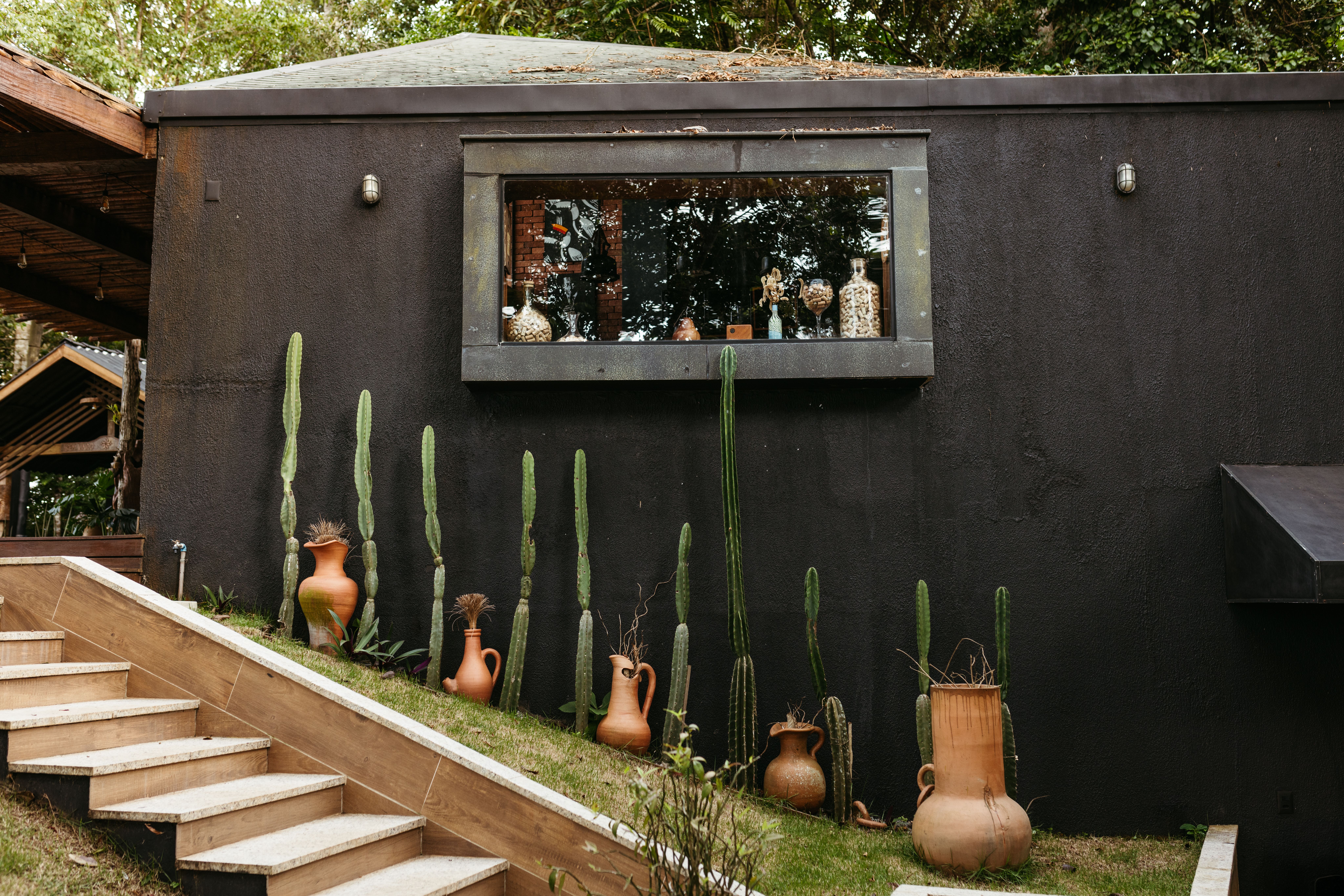
Before you buy sprays, sealers, or replacement parts, take a fresh look at where decor lives. Small placement changes can dramatically reduce exposure.
- Use partial shade strategically: Morning sun is generally gentler than intense afternoon sun. Placing items where they get a break during peak UV hours is one of the best ways to protect outdoor decor.
- Avoid sprinkler zones: Regular sprinkler spray keeps surfaces constantly damp, speeds rust, and leaves mineral spots. If you can’t avoid sprinklers, adjust heads so decor doesn’t get hit directly.
- Keep decor off bare soil when possible: Constant ground moisture contributes to rust and staining. Use pavers, gravel, or a small base for metal and porous materials.
- Shelter from wind tunnels: Between buildings or at corner gust points, spinning decor can wear faster and stakes can loosen. A few feet of relocation often helps.
Your outdoor decor maintenance toolkit
You don’t need a workshop to maintain yard art. A small kit makes seasonal care quick and consistent.
- Soft microfiber cloths and a soft brush for crevices
- Mild dish soap (avoid harsh degreasers unless the manufacturer recommends them)
- Non-abrasive sponge for bird baths and painted metal
- White vinegar (diluted) for mineral deposits on fountains and glass (use carefully; test first)
- Rust removal pad or fine steel wool for raw metal spots (use gently and only where appropriate)
- Touch-up paint matched to your decor (especially for metal edges)
- UV protectant spray appropriate to the material (more on choosing one below)
- Clear protective topcoat (outdoor-rated) when needed
- Silicone lubricant (for moving spinner parts, used sparingly)
- Gloves and a small screwdriver set for tightening hardware
Choosing a UV protectant spray (and when it actually helps)
A UV protectant spray can be useful, but it’s not a magic force field. It works best when it’s compatible with the surface, applied correctly, and refreshed before the coating breaks down.
What to look for
- Outdoor-rated and UV-inhibiting: Look for labels that mention UV inhibitors or UV resistance and that the product is intended for outdoor use.
- Material compatibility: Plastics/resins, painted metal, bare metal, sealed stone, and glass all behave differently. A coating that’s great for metal may haze on certain plastics.
- Finish match: Matte, satin, and gloss options help you avoid altering the look. Matte decor often looks best with a matte UV layer.
- Non-yellowing formulation: Especially important for light colors, whites, and clear components.
When to use it
- Painted metal yard art: A UV-protective clear coat can slow fading and reduce chalking.
- Resin and plastic decor: UV protection can reduce brittleness and color loss over time.
- Brightly painted statues: Especially those in full sun.
When to skip it (or test first)
- Powder-coated finishes: Many powder coats already have durability; adding an incompatible top layer can peel later. If you do coat, clean thoroughly and test a hidden area first.
- Highly textured or already-flaking paint: Spraying over failing paint can trap moisture and speed peeling. Prep first.
- Glass and glazed ceramics: UV sprays rarely add meaningful benefits and may cause haze.
How to apply UV protectant spray the right way
- Clean first: Wash with mild soap and water, rinse well, and let it dry completely. Coatings fail fast on dusty or damp surfaces.
- Light sanding only if needed: For glossy paint that won’t accept a coat, a very light scuff can help. If you’re unsure, don’t sand—test instead.
- Apply thin coats: Multiple light passes beat one heavy coat, which can run, cloud, or trap solvents.
- Respect cure time: “Dry to touch” is not “fully cured.” Keep it out of dew and rain until cured.
- Reapply on a schedule: In harsh sun, plan to refresh seasonally or as soon as you notice dulling or chalking.
Weatherproof outdoor decorations by material
Different materials fail in different ways. Use the sections below as a targeted guide for weatherproof outdoor decorations you already own.
Metal garden art care: stop rust before it spreads
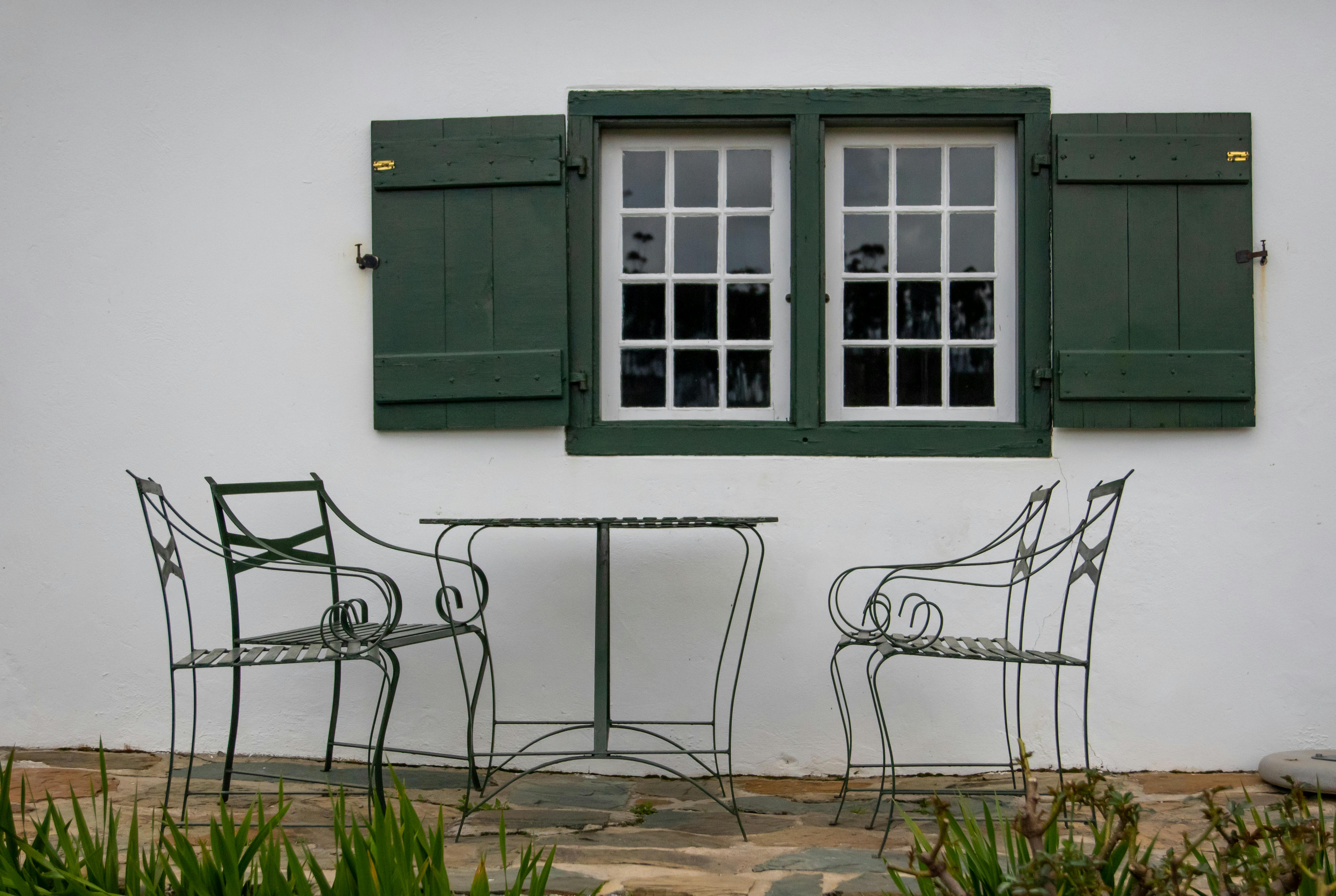
Metal is popular outdoors because it’s strong, detailed, and decorative. The downside is oxidation: once a coating is nicked, rust can begin at the exposed edge and creep under the finish. Good metal garden art care focuses on keeping water off bare spots and repairing chips early.
Routine cleaning for painted or powder-coated metal
- Wash gently: Mild soap, soft cloth, rinse well. Avoid abrasive pads that scratch coatings.
- Dry after washing: Leaving water to air-dry can cause spotting and encourages corrosion where coatings are thin.
- Inspect edges and joints: Rust often begins where panels meet, around welded seams, and at stake insertion points.
How to treat small rust spots
- Remove loose rust: Use a rust removal pad or fine steel wool carefully. Don’t gouge surrounding paint.
- Clean and dry: Wipe away dust, then dry completely.
- Prime if needed: For exposed bare metal, a rust-inhibiting primer helps.
- Touch up paint: Cover the repair area. Thin layers look better and last longer.
- Seal: Consider a compatible clear coat, especially on high-exposure items.
Protect yard art with moving parts (spinners and stakes)
Wind spinners and kinetic stakes are especially vulnerable because motion creates friction and loosens hardware. A simple maintenance habit keeps them spinning smoothly.
- Tighten hardware: Check screws and nuts every few weeks during windy seasons.
- Keep bearings clean: Dust and grit can grind away coatings.
- Use minimal lubricant: A tiny amount of silicone lubricant on a pivot point can help. Wipe away excess so it doesn’t attract dirt.
- Pull them during storms: If severe weather is coming, bringing items in prevents bent spindles and snapped stakes.
If you have kinetic pieces like a Double Spiral Wind Spinner (2-styles) or a 37" Metal Spinning Flower Garden Stake (4-Colors), these steps are especially valuable because small alignment issues can worsen quickly after one hard wind event.
Caring for garden statues: resin, concrete, stone, and ceramic
Caring for garden statues starts with identifying the material. Statues often look similar at a glance, but their maintenance needs are very different.
Resin and plastic statues (lightweight, detailed, UV-sensitive)
- Prevent sun damage outdoor: Place in partial shade when possible. Resin can fade and become brittle in constant full sun.
- Clean gently: Mild soap and water, soft brush for details. Avoid solvents.
- Use a UV protectant spray: A plastic-safe, non-yellowing UV protectant can slow fading. Test on the underside first.
- Watch for hairline cracks: Seal early before water gets inside and freeze-thaw expands it.
Concrete, cement, and cast stone (heavy, porous, freeze-thaw risk)
- Keep off saturated ground: Use pavers or a base to reduce constant moisture wicking.
- Seal when appropriate: A breathable, penetrating sealer can reduce water absorption. Avoid glossy surface films that can trap moisture and peel.
- Winter strategy matters: In freezing climates, moving porous statues under cover (garage, shed, porch) can prevent cracking.
Terracotta (beautiful, but fragile in cold)
- Bring inside for winter: Terracotta absorbs water and is prone to cracking in freezes.
- Use a breathable sealer: If you keep it outdoors, choose a sealer designed for clay/terracotta.
Glazed ceramic (color-stable, but chips easily)
- Avoid impacts: Place where it won’t be knocked by hoses, pets, or lawn tools.
- Watch for chips: Exposed ceramic bodies can absorb water. Touch up chips with an outdoor-safe sealant if possible.
For figurines like a Pebbles Garden Figurine (2-Styles), gentle cleaning and smart placement (away from sprinklers and direct afternoon sun) often do more than heavy coatings.
Fountain maintenance: protect pumps, finishes, and water quality
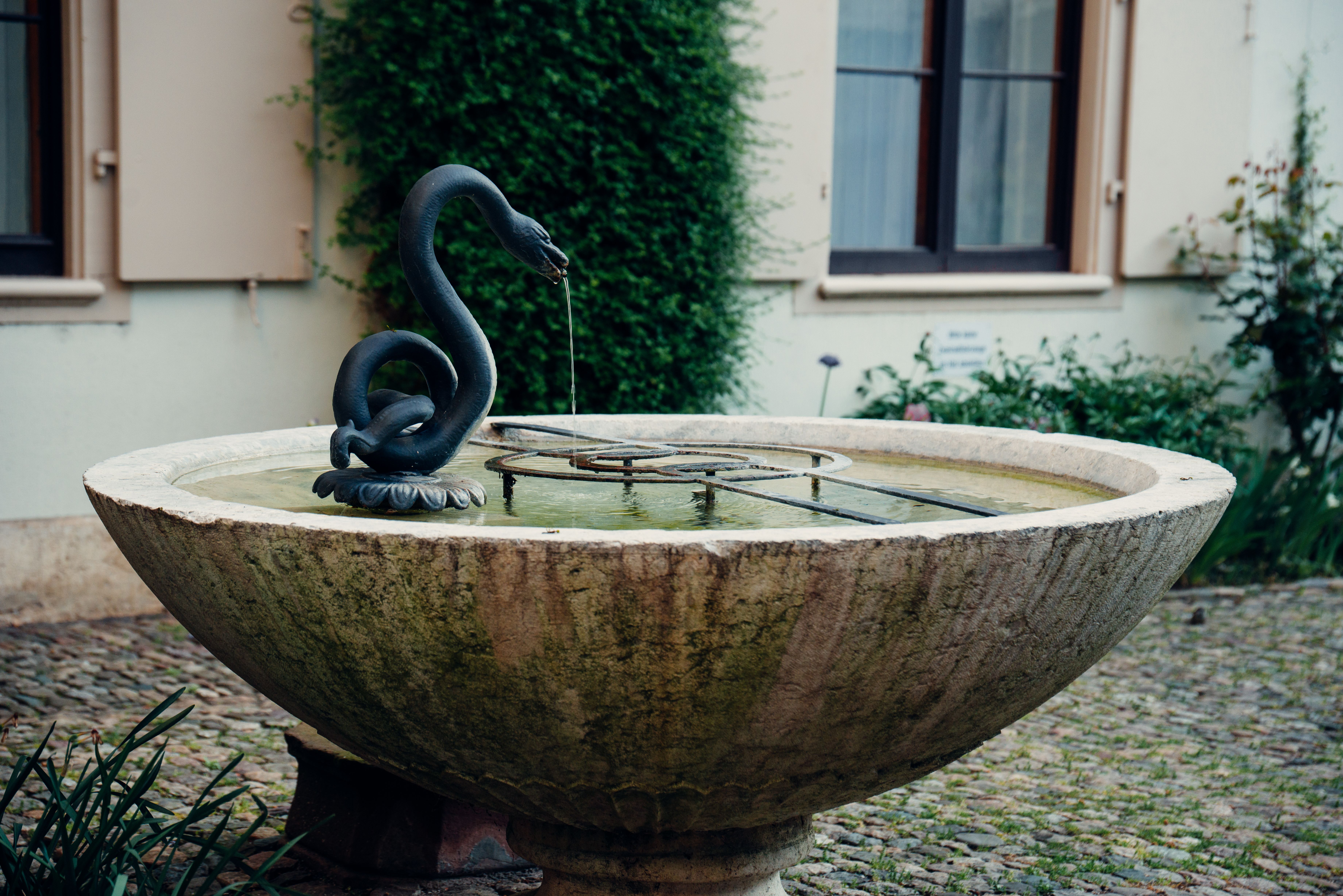
Outdoor fountains are constantly exposed to water, so they need a different kind of attention. Good fountain maintenance prevents pump failure, staining, algae buildup, and winter cracking.
Weekly quick checks (5 minutes)
- Maintain water level: Pumps burn out when they run dry, which can happen quickly in heat or wind.
- Remove debris: Leaves and petals clog intakes and stain basins.
- Listen for changes: A louder pump often signals low water or a clog.
Monthly cleaning (or more often in heat)
- Unplug the fountain: Always start with safety.
- Rinse and wipe: Use a soft cloth and mild soap for most finishes.
- Descale mineral buildup: If you have hard water, a diluted vinegar solution can help remove calcium deposits. Test first and avoid prolonged soaking on sensitive finishes.
- Clean the pump: Remove the intake cover and rinse out grit. A clogged pump works harder and fails sooner.
- Refill with fresh water: This reduces odor and residue.
Algae and water clarity tips
- Use distilled or filtered water when possible: It reduces mineral staining.
- Limit fertilizer drift: Nutrients feed algae. Keep fountains away from heavy feeding zones and overspray.
- Balance sun exposure: Full sun encourages algae growth. Partial shade often helps.
Cold-weather fountain protection
- Drain before freezing: Standing water can crack basins and lines.
- Store the pump indoors: Clean it, dry it, and keep it somewhere it won’t freeze.
- Cover or store the fountain: If it’s not designed for winter operation, move it under cover or use a breathable cover.
If you’re maintaining a metal-and-light feature like the LED Metal Floral Fountain (3-Sizes), focus on keeping electrical components dry during cleaning, wiping down metal after rinsing, and staying consistent with pump debris checks.
Glass, mosaic, and painted finishes: prevent clouding and chips
Glass and mosaic decor can handle sun well, but it can suffer from mineral film, grime buildup, and chipping at edges. The goal is to keep surfaces clean without scratching them.
- Wash gently: Mild soap and a soft cloth. Avoid abrasive powders or rough pads.
- Remove mineral spots: A diluted vinegar wipe can help on glass. Rinse thoroughly.
- Check grout or adhesive areas: If you notice loose mosaic pieces, fix early before water intrusion expands the problem.
For items like a Mosaic Glass Birdfeeder (4-Colors), regular rinsing and keeping it out of constant sprinkler spray reduces spotting and keeps colors bright.
Bird baths and feeders: protect the decor and keep them safe for wildlife
Bird baths and feeders have two jobs: look good and function safely. Outdoor decor maintenance here should avoid residues that could affect birds.
Metal bird bath care
- Rinse often: Frequent rinses reduce algae and staining without harsh cleaners.
- Scrub with a soft brush: If needed, use mild soap and rinse very thoroughly.
- Check for rust at seams: Touch up early to prevent flaking.
If you have a Metal Bird Bath w/ Stand (2-Styles), keeping the basin clean and drying the stand after heavy rain can help prevent water sitting in joints and protect the finish.
Seasonal routine: simple schedule that prevents big damage
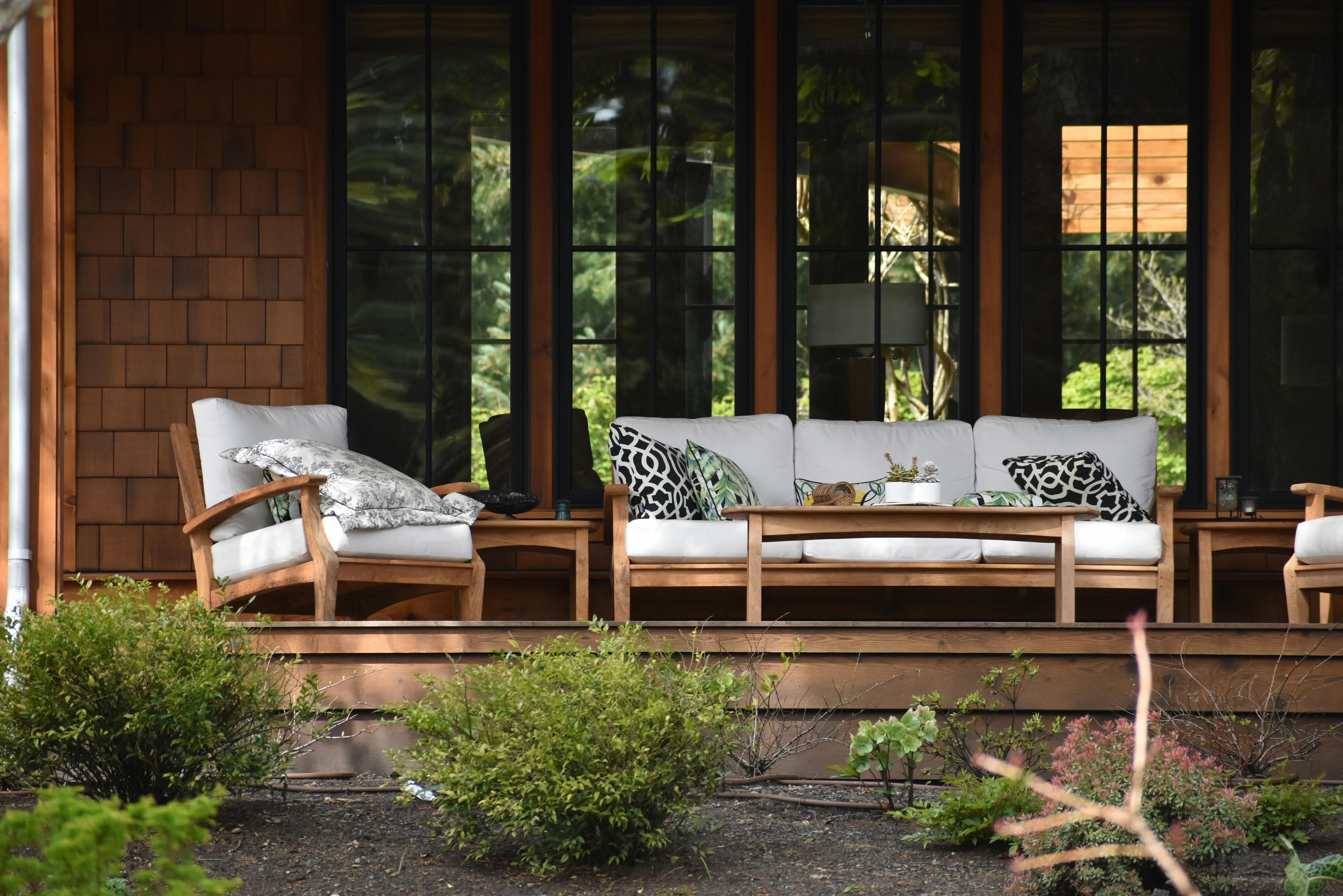
Most weathering problems don’t happen overnight. A light schedule helps you catch issues early.
Spring reset (after winter or rainy season)
- Wash everything: Remove grime, pollen, and residue so you can see the true condition.
- Inspect for damage: Look for chips, cracks, rust, and loose hardware.
- Touch up and seal: Address small paint chips before humid summer weather accelerates rust.
- Restart fountains: Clean pumps, flush basins, and check cords and plugs.
Summer protection (sun and heat)
- Reinforce UV strategy: Move sensitive pieces to partial shade if fading starts.
- Use UV protectant spray as needed: Especially on resin/plastic and painted finishes that get direct sun.
- Check water features weekly: Evaporation is fastest in heat.
Fall prep (wind, leaves, temperature swings)
- Clear leaves from fountains and bird baths: Tannins can stain surfaces and clog pumps.
- Tighten spinners and stakes: Windy weather loosens fasteners.
- Plan what will be stored: Decide now which pieces come in before first freeze.
Winter protection (freeze, ice, and storage)
- Store what you can: Resin statues, terracotta, and many fountains last longer indoors.
- Use breathable covers: Avoid sealing moisture in with plastic tarps directly against surfaces.
- Lift items off the ground: If decor stays outside, raise it to reduce moisture contact and ice bonding.
How to weatherproof outdoor decorations without overcoating
It’s tempting to spray everything with a thick clear coat and call it done. But the most common coating failures outdoors come from poor prep and incompatible products. Use coatings as targeted tools, not a blanket solution.
- Clean and dry is non-negotiable: Trapped moisture leads to clouding, peeling, and corrosion under the film.
- Match the coating to the surface: Use products designed for the specific material and finish type.
- Avoid sealing in damage: If paint is flaking, remove loose areas and stabilize first.
- Respect temperature and humidity: Many sprays and sealers fail when applied in high humidity or extreme heat/cold.
Troubleshooting: common outdoor decor problems and what to do
Fading colors on metal or resin
- Move to partial shade during peak afternoon sun.
- Clean thoroughly to remove chalky oxidation.
- Apply a compatible UV protectant spray or UV-resistant clear coat after testing.
Chalky residue on painted surfaces
- Wash with mild soap and a soft cloth.
- Rinse well and dry to prevent streaks.
- Consider a UV-stable topcoat if the surface is otherwise in good condition.
Rust bleeding from seams or edges
- Dry the piece and locate the source (often a tiny chip at an edge).
- Remove loose rust, prime, touch up paint, and seal if appropriate.
- Improve drainage by repositioning so water doesn’t pool at the base.
Fountain pump running weak
- Check water level first; low water is the most common cause.
- Clean the intake and remove debris.
- Descale if needed if mineral buildup is present.
Cracks in statues after winter
- Dry thoroughly and keep water out while you evaluate.
- Repair small cracks early with appropriate filler or sealant for the material.
- Change winter storage strategy next season: bring indoors or elevate and cover with breathable protection.
Protecting specific types of yard art (quick guidance)
If you want a fast way to match protection to decor type, use this as a reference.
- Metal stakes and critters: Keep off saturated soil, touch up chips quickly, and rinse after fertilizer applications. Example: Garden Critter Metal Stake (3-Styles).
- Large painted metal silhouettes (birds, herons, etc.): Inspect welds and edges, rinse away salts, and consider a UV-stable clear coat if fading is noticeable. Example: Set of 2 Blue Metal Herons.
- Spinners: Tighten, clean, and protect moving points from grit; bring in during extreme storms.
- Figurines and statues: Prioritize shade and freeze protection; use breathable sealers for porous materials.
- Water features: Focus on pump care, mineral control, and winterizing.
Best practices that make everything last longer
- Handle with clean hands: Sunscreen and oils can stain some finishes and attract dirt.
- Lift, don’t drag: Dragging chips paint and breaks glaze at edges.
- Keep a touch-up habit: Small chips become large rust spots when ignored.
- Document what you use: If you find a clear coat or UV spray that works well for a piece, note it so reapplication stays consistent.
- Don’t mix chemicals casually: Avoid combining cleaners on fountains and bird baths. Rinse thoroughly between products.
Putting it all together
To protect outdoor decor for the long term, think in layers: start with placement (shade, drainage, less sprinkler spray), keep up with light cleaning, and only then add targeted protection like touch-up paint, breathable sealers, or a compatible UV protectant spray. This approach helps prevent sun damage outdoor while also reducing rust, cracking, and water-related wear.
With a simple seasonal routine and quick check-ins after storms or heat waves, most decor, whether it’s delicate figurines, bold metal yard art, or a centerpiece fountain, can stay bright, stable, and ready for the next season.


