
Artificial Ferns vs. Real Ferns: Which Is Better for Home Décor?
- Posted on
- 0
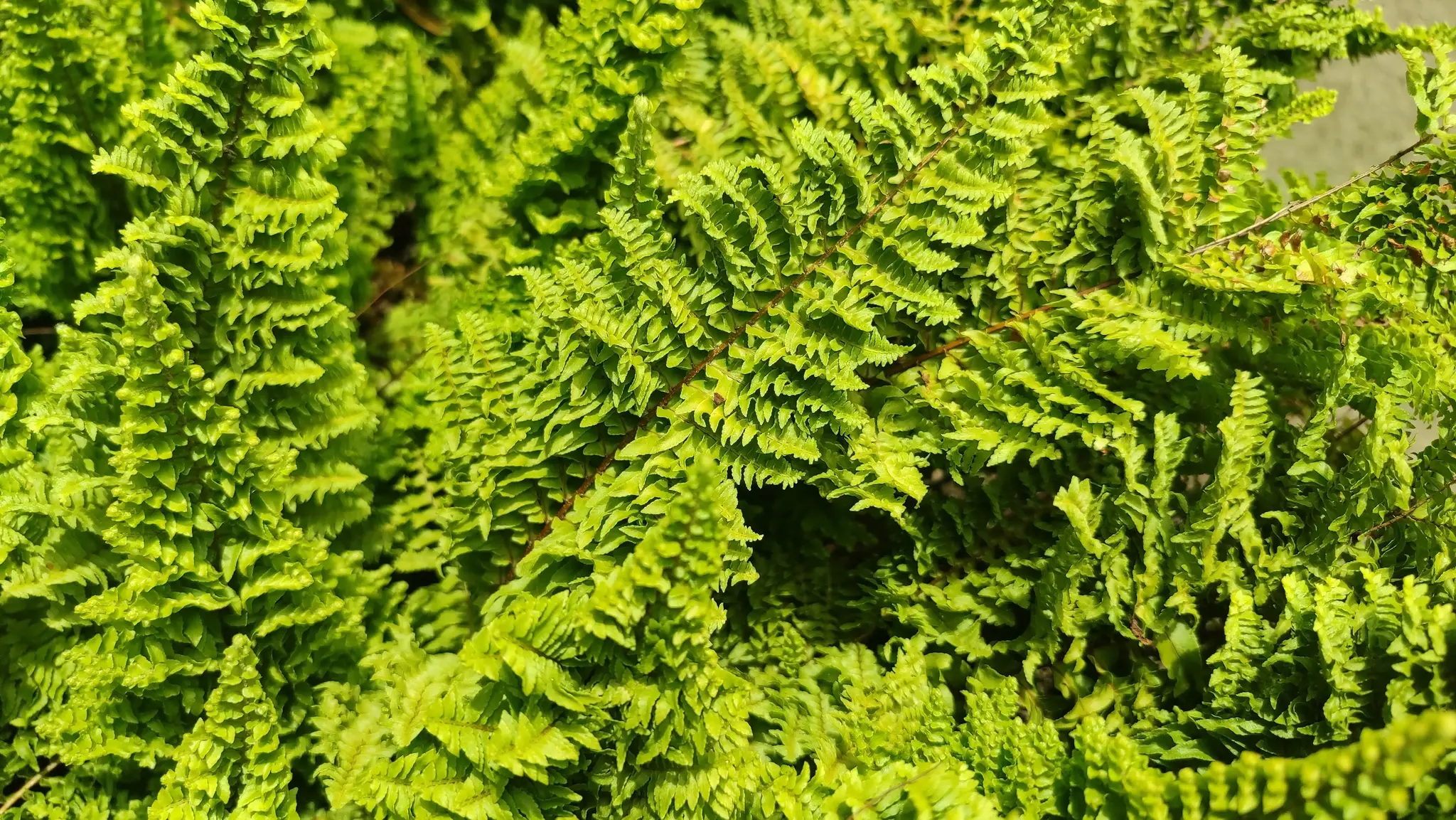
Real ferns are genuinely beautiful. Their soft, arching fronds add a kind of natural energy to a room that's hard to fake. The problem is that most ferns are particular about their conditions, they want humidity, indirect light, consistent moisture, and temperatures that stay in a fairly narrow range. Get one of those factors wrong and a Boston fern goes from lush and full to crispy and dropping fronds in a matter of weeks.
Real ferns are genuinely beautiful. Their soft, arching fronds add a kind of natural energy to a room that's hard to fake. The problem is that most ferns are particular about their conditions, they want humidity, indirect light, consistent moisture, and temperatures that stay in a fairly narrow range. Get one of those factors wrong and a Boston fern goes from lush and full to crispy and dropping fronds in a matter of weeks.
Artificial ferns sidestep all of that. The trade-off is that a bad fake fern looks obviously fake, and a room full of cheap plastic plants is worse than no plants at all.
So which is actually better for home décor? The honest answer depends on your home, your lifestyle, and what you're trying to achieve. This guide breaks it down without a sales pitch in either direction.
Browse our artificial ferns collection if you already know faux is the right call, or read on for the full comparison.
Side-by-Side: The Real Comparison
| Real Ferns | Artificial Ferns | |
| Maintenance | Regular watering, misting, fertilizing | Dusting every few weeks |
| Light requirement | Indirect light, no direct sun | None — placement is fully flexible |
| Humidity | High humidity preferred | No requirement |
| Lifespan | Months to years (with proper care) | 5–10+ years indoors |
| Outdoor use | Seasonal only in most climates | Year-round with UV treatment |
| Realism | 100% — it's alive | High to very high (quality-dependent) |
| Air quality | Yes — removes some toxins, adds oxygen | None |
| Pet/child safety | Some species toxic — check before buying | Non-toxic |
| Cost over time | Recurring — repurchase after death | One-time investment |
| Placement flexibility | Limited by light and humidity | Unlimited |
Where Real Ferns Win
They're alive and that matters. A real fern has a presence that no artificial plant can fully replicate. The slight movement when someone walks past, the growth over time, the actual biological relationship between plant and environment, it reads differently in a space, even if you can't articulate exactly why. If natural living elements are important to how you experience your home, real ferns deliver that in a way faux can't.
Air quality benefits. Real plants exchange CO₂ for oxygen and some species filter certain airborne compounds. The effect in a domestic setting is modest, you'd need a lot of plants to measurably change air quality, but it's real. Artificial plants do nothing in this regard.
The right conditions bring out their best. A healthy Boston fern in the right spot, a bright bathroom, a humid sunroom, a porch in a warm climate, looks extraordinary. Lush, cascading, deeply green. No artificial fern fully replicates a genuinely thriving real plant. When conditions align, real wins on realism by default.
Cost entry point is low. A healthy nursery fern costs $8–$25. The upfront investment is low even if the ongoing commitment (time, attention, replacement when they die) adds up over the years.
Where Artificial Ferns Win
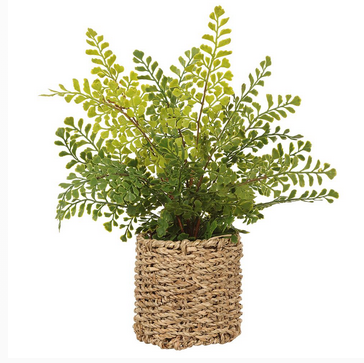
Placement is completely unrestricted. No light, no humidity, no drainage, no soil, a faux fern goes anywhere. North-facing rooms with no natural light, windowless bathrooms, the corner of a bedroom where a real plant would never survive, artificial ferns work in all of these. This is the single biggest practical advantage, and it's significant.
They don't die. This isn't a trivial point. Real ferns have a reputation as high-maintenance plants. Boston ferns in particular are notoriously fussy, they drop fronds when the air is too dry, when they're overwatered, when they're moved, when they're not misted consistently. A lot of people have killed several real ferns before switching to faux. If you've been there, the reliability of an artificial fern isn't a consolation prize, it's genuinely better for your situation.
Long-term cost is lower. A quality silk fern costs more upfront than a nursery plant, typically $30–$80 for a mid-range piece, more for premium. But it doesn't die and doesn't need to be replaced. Over a 5–10 year period, a single quality artificial fern is almost always cheaper than the cycle of purchasing, losing, and repurchasing real ones.
Safe for pets and children. Several common fern varieties are non-toxic, but some related plants sold alongside ferns (asparagus fern, for instance) are toxic to cats and dogs. Artificial ferns present no risk regardless.
Seasonal and low-humidity spaces become viable. Forced-air heating in winter drops indoor humidity significantly, exactly the conditions that kill real ferns. Artificial ferns don't care. Same for covered porches in cold climates, garages, mudrooms, and any space where temperature swings would stress a live plant.
The Honest Middle Ground: When to Use Both
The best-looking interiors often mix real plants and artificial ones strategically, real plants in the spots where they'll thrive, faux plants in the spots where real ones would struggle or die.
A practical split: real plants on a south-facing windowsill that gets good indirect light and stays humid; artificial ferns in the north-facing living room corner, the bathroom shelf without a window, and the entryway that gets drafts in winter. Nobody looking at the room needs to know which is which.
The key is using quality faux, not because of any snobbery, but because a convincing artificial fern benefits the whole space while a cheap plastic one undermines the real plants near it. Our silk florals range and greenery collection offer fern types in a range of sizes and styles suited to this kind of mixed approach.
Do Fake Plants Look Cheap? The Honest Answer
This is the question that most people are actually asking when they search "artificial ferns vs real ferns." The concern isn't really about ferns specifically, it's about whether having fake plants signals something unflattering about your home or your taste.
The honest answer: cheap fake plants look cheap. Quality fake plants don't.
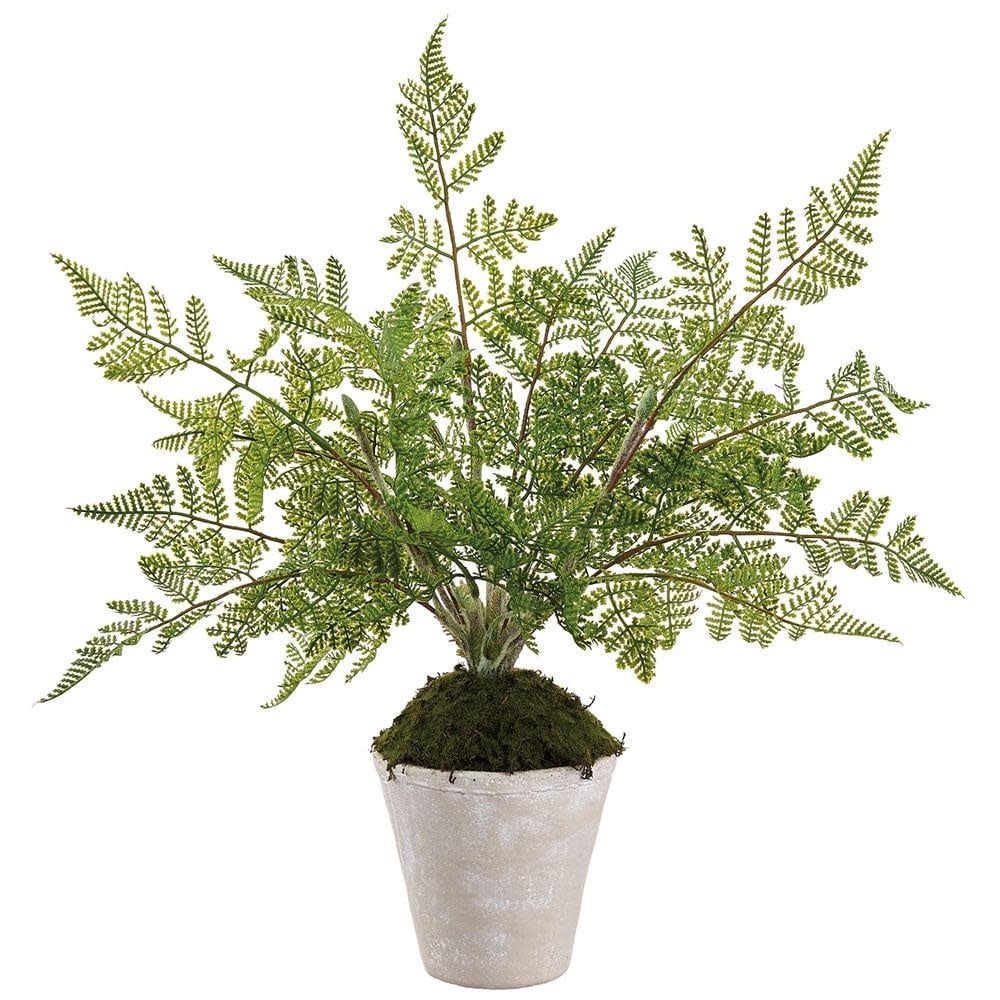
The tells on cheap artificial plants are consistent: uniform plastic-green color with no variation, a sheen that reflects light the wrong way, rigidly symmetrical fronds, and a lightweight pot that tips over if you breathe on it. These things signal low effort and low investment.
Quality artificial ferns, soft-touch polyester or silk, with natural color variation, matte finish, and some asymmetry in the frond structure, read as intentional design choices. Interior designers use them routinely, particularly in commercial spaces (hotels, restaurants, showrooms) where real plant maintenance is impractical at scale.
The container matters as much as the fern. A beautiful fern in a flimsy plastic nursery pot looks unconvincing. The same fern in a ceramic, terracotta, or woven basket with moss covering the base looks planted and considered. Our containers section has pairing options that complete the look.

FAQ
Is it tacky to have fake plants in your house? Only if the fake plants are low quality or poorly placed. The stigma around artificial plants comes from cheap plastic versions that obviously look fake. Quality silk or soft-touch polyester ferns, styled in proper containers with the base dressed in moss, are indistinguishable from real plants to most people at conversational distance. Interior designers use high-quality artificial plants regularly — in homes, hotels, restaurants, and offices — specifically because modern faux greenery is convincing enough to work.
Are real ferns hard to keep alive indoors? Boston ferns and many common varieties are notoriously demanding. They need consistent indirect light, high humidity (40–60%), regular watering without overwatering, and temperatures that stay between 65–75°F. Drafts, dry heating air, and inconsistent care all cause frond drop and decline. Some ferns are more forgiving — bird's nest ferns, for example, tolerate lower humidity and irregular watering better than Boston ferns. But as a category, ferns are among the more challenging houseplants for most people.
Do interior designers use fake plants? Yes, routinely. High-end artificial greenery is a standard tool in commercial and residential interior design, particularly for spaces where real plant maintenance is impractical — dark corners, high-traffic areas, seasonal properties, and anywhere with challenging climate conditions. The shift in the last decade has been toward much more realistic faux options, which has reduced the stigma that once attached to artificial plants in design contexts.
Can you mix real and artificial ferns in the same room? Absolutely — and it's one of the better approaches. Real plants in spots where they'll genuinely thrive, faux plants in spots where real ones would struggle. As long as the artificial ferns are quality enough to hold up at close range, most people won't distinguish between them. The overall effect is a room full of convincing greenery without the maintenance burden of keeping every plant alive.
Which is better for low-light rooms? Artificial ferns, without question. Real ferns need indirect light to survive — true low-light rooms (no window, or north-facing with minimal natural light) will kill most fern varieties over time. Artificial ferns need no light at all. For dark hallways, interior bathrooms, basement spaces, and north-facing rooms, faux is the only realistic option if you want consistent greenery year-round.
Comments
Be the first to comment...