
Silk Hydrangeas for Weddings: Bouquets, Table Decor, and Keepsakes
- Posted on
- 0
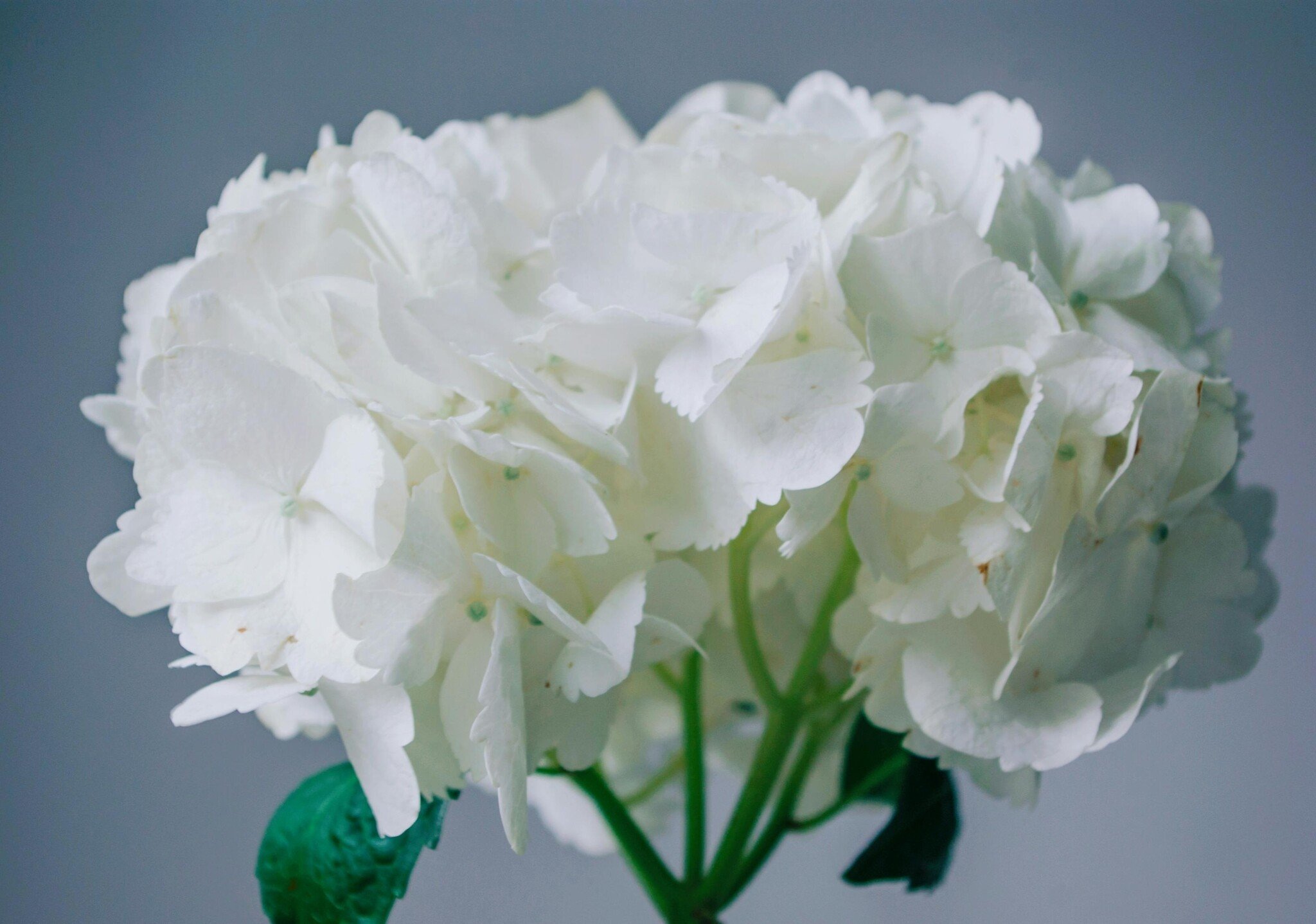
Why hydrangeas are a wedding favorite (and why silk makes sense)
Hydrangeas have a way of making a wedding feel instantly full, romantic, and thoughtfully styled. Their rounded blooms photograph beautifully, soften tablescapes, and add an airy luxury to bouquets. The challenge, of course, is that real hydrangeas can be sensitive to heat, timing, and hydration. That's exactly why more couples (and planners) are choosing silk hydrangeas for weddings to get the look they love with far fewer day-of worries.
This guide covers how to use silk wedding flowers, especially hydrangeas, in bridal bouquets, wedding hydrangea centerpieces, ceremony arrangements, and lasting keepsakes. You'll also find practical tips for selecting high-quality faux stems, matching colors, building volume, and keeping everything photo-ready.
What hydrangeas bring to a wedding
Hydrangeas read as "wedding" for good reason: they're lush without being fussy, classic without feeling dated, and they work with nearly any aesthetic—garden, coastal, classic, modern, rustic, and winter white. Their large bloom heads create instant impact, which can reduce the number of stems you need across bouquets and wedding table flowers.
Still, fresh hydrangeas are notorious for wilting if they're not conditioned properly or if they sit out in heat. When you choose faux wedding flowers, you gain consistency. Bouquets can be built weeks ahead, centerpieces can be transported without stress, and your hydrangeas won't droop halfway through photos.
Couples often choose artificial hydrangeas for one of three reasons:
• Reliability: Your flowers look the same at the first look as they do at the last dance.
• Budget clarity: You can plan quantities and costs upfront, and reuse pieces between ceremony and reception.
• Longevity: A keepsake bouquet is built in—you can display it at home without preservation fees.
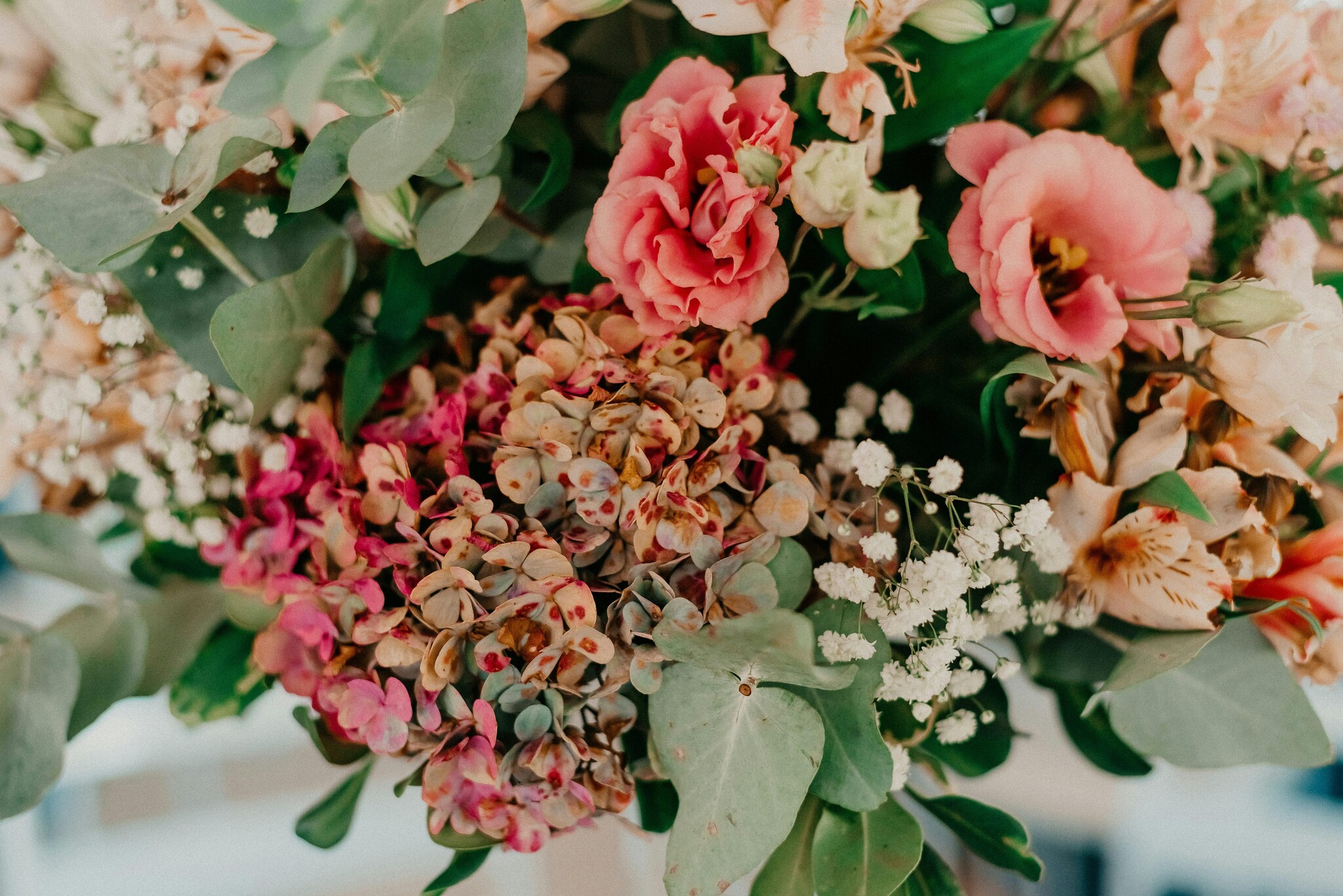
What to look for in silk hydrangeas that photograph like the real thing
Not all artificial hydrangeas are created equal. The difference between "pretty from a distance" and "convincing up close" comes down to texture, color variation, stem structure, and finish.
1) Petal texture and "natural touch" feel
Hydrangea petals should have a soft, slightly thickened feel (not paper-thin). If you're choosing pieces that will be held close to the camera, like an artificial wedding bouquet, prioritize stems described as "natural touch" or with realistic petal coating. A great starting point is Natural Touch Garden Hydrangea (6 Colors), which is designed to look and feel more lifelike for bridal work.
2) Color variation (the detail that makes them believable)
Real hydrangeas rarely read as a single flat tone. Look for subtle shading along petal edges, gentle ombré, or a mix of tiny color flecks that mimic nature. This is especially important for whites and blushes, which can look too stark if they're one solid shade.
3) Stem flexibility and scale
Hydrangea heads should feel full and correctly proportioned to the stem. For smaller accents—boutonnieres, bud vases, and cake table arrangements—use a smaller spray style such as Natural Touch 14" Hydrangea Spray (4 Colors) to keep everything in scale.
4) A finish that doesn't look shiny in photos
Overly glossy petals can reflect flash and look artificial. If you're shopping in person, view stems under bright overhead lights and natural light near a window. If you're shopping online, choose lines that are photographed close-up and are made specifically for realistic floral design.
Designing a silk bridal bouquet with hydrangeas
A silk bridal bouquet built with hydrangeas can be classic and round, airy and garden-inspired, or modern and minimal. Hydrangeas are naturally voluminous, so they do the heavy lifting. Your job is to add shape, movement, and a few supporting textures so the bouquet doesn't look like a single "ball" of blooms.
Best bouquet styles for hydrangea bridal flowers
• Round and timeless: Hydrangeas as the main mass with roses or peonies tucked in for focal points.
• Garden gathered: Hydrangeas mixed with airy filler and soft greenery for movement.
• Modern minimal: Mostly hydrangeas with clean greenery and a crisp wrap.
• Cascade (subtle): Hydrangeas at the top with trailing greenery and a few downward accents.
How many hydrangea stems do you need for a bridal bouquet?
It depends on bloom size and the silhouette you want, but as a general planning range:
• Medium bouquet: 3–5 hydrangea heads plus accent blooms/greenery
• Full, lush bouquet: 5–8 hydrangea heads plus accents
• Hydrangea-forward statement: 8–12 hydrangea heads with minimal extras
If you want a naturally scaled bouquet (not oversized), start smaller and build. Hydrangeas expand visually fast, especially in photos.
Easy recipe: a soft garden silk bridal bouquet
This is a reliable formula that works across seasons and color palettes:
• Main blooms: 4–6 hydrangea heads (choose one main color, plus one subtle shade for depth)
• Airy filler: 3–5 stems of Baby's Breath Spray to break up the mass
• Greenery: 3–6 stems of Pittosporum Stem for a light, natural outline
• Optional modern accent: 1–2 stems of Echeveria Stem (2 Colors) for a subtle contemporary touch
This combination keeps hydrangeas front and center while adding the fine texture and gentle movement that makes a bouquet look fresh-picked instead of manufactured.
How to finish a silk wedding bouquet so it feels professional
• Vary the heights: Keep some hydrangea blooms slightly higher and some tucked lower so the bouquet has dimension.
• Turn the bouquet as you build: Rotate in your hands to ensure the front looks good from multiple angles.
• Create a clean handle: Remove bulky leaves near the grip area and wrap stems neatly.
• Test in a mirror and with your phone camera: Photos reveal gaps and flat spots quickly.
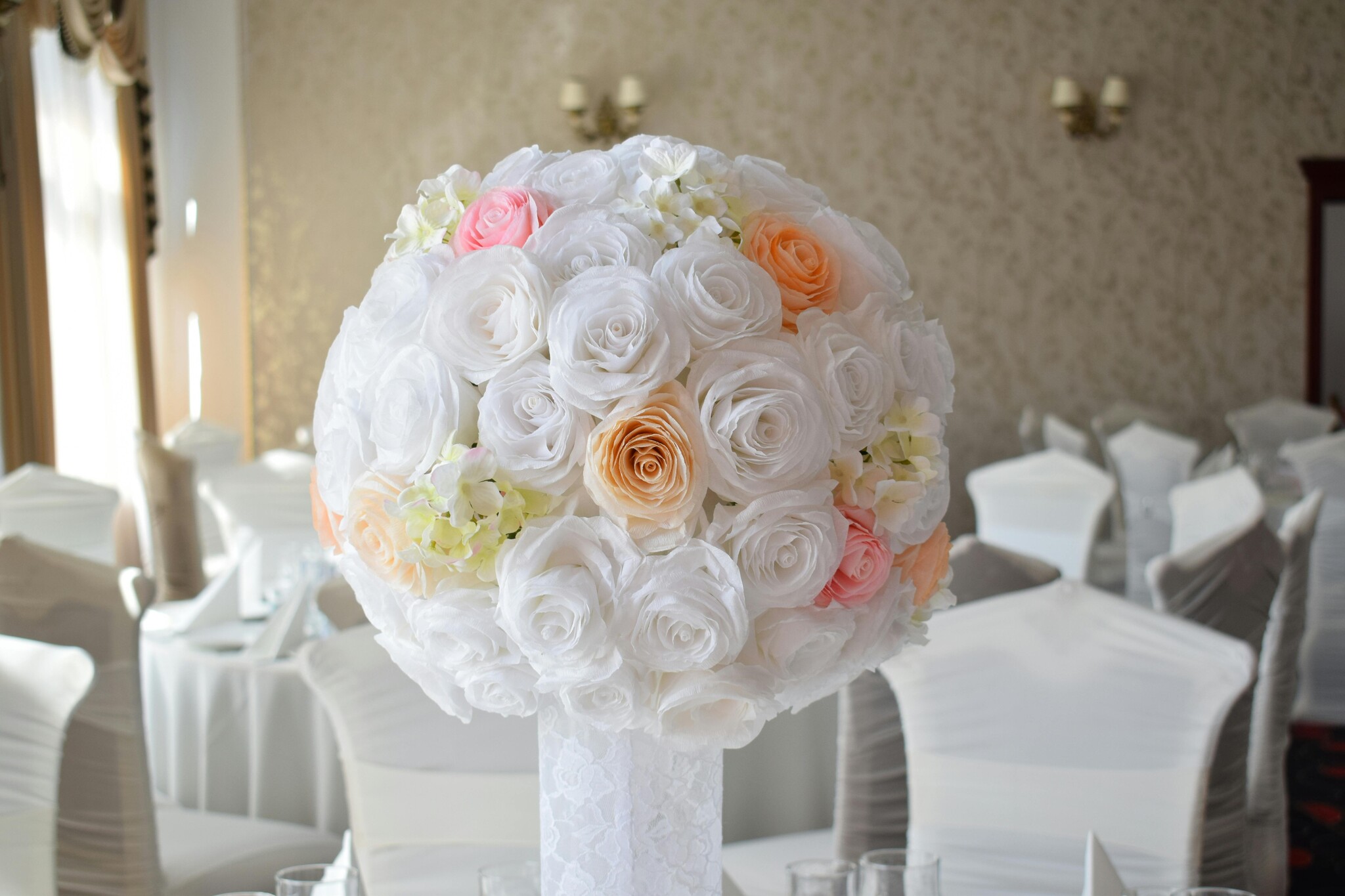
Bridesmaids, boutonnieres, and ceremony flowers with silk hydrangeas
Once you choose hydrangeas for the bridal bouquet, it's easy to carry that theme through the wedding party and ceremony for a cohesive look.
Bridesmaid bouquets
Bridesmaids' bouquets should support the bride rather than compete. A simple approach is 2–4 hydrangea heads per bouquet with airy filler and a touch of greenery. If the bridal bouquet is mixed-color, consider giving bridesmaids a single hydrangea shade for clean visual order in photos.
Boutonnieres and corsages
Hydrangea petals are small enough to work nicely in boutonnieres when used sparingly. Use a small cluster from a spray-style stem, then add a tiny greenery piece and one small accent (like baby's breath). For durable wear:
• Keep the boutonniere lightweight.
• Avoid oversized hydrangea chunks that can flop forward.
• Secure the mechanics well so the piece doesn't twist on fabric.
Ceremony arrangements you can reuse
One of the biggest practical benefits of silk wedding flowers is repurposing. Ceremony pieces can become sweetheart table decor, cake table styling, or bar arrangements at the reception.
If you want ready-to-style options that can be moved easily, consider pre-designed pieces like Custom Wildflower Snowball Arrangement for a floral-forward statement, or Custom Bloom & Breeze Table Arrangement for reception tables that need a polished, cohesive look without building everything from scratch.
Wedding hydrangea centerpieces: table decor that looks lush all night
Hydrangeas were made for centerpieces. Their rounded shape reads full and abundant even in a simple vase, and they're versatile enough for everything from formal ballroom tables to backyard receptions.
Centerpiece formats that work especially well with hydrangeas
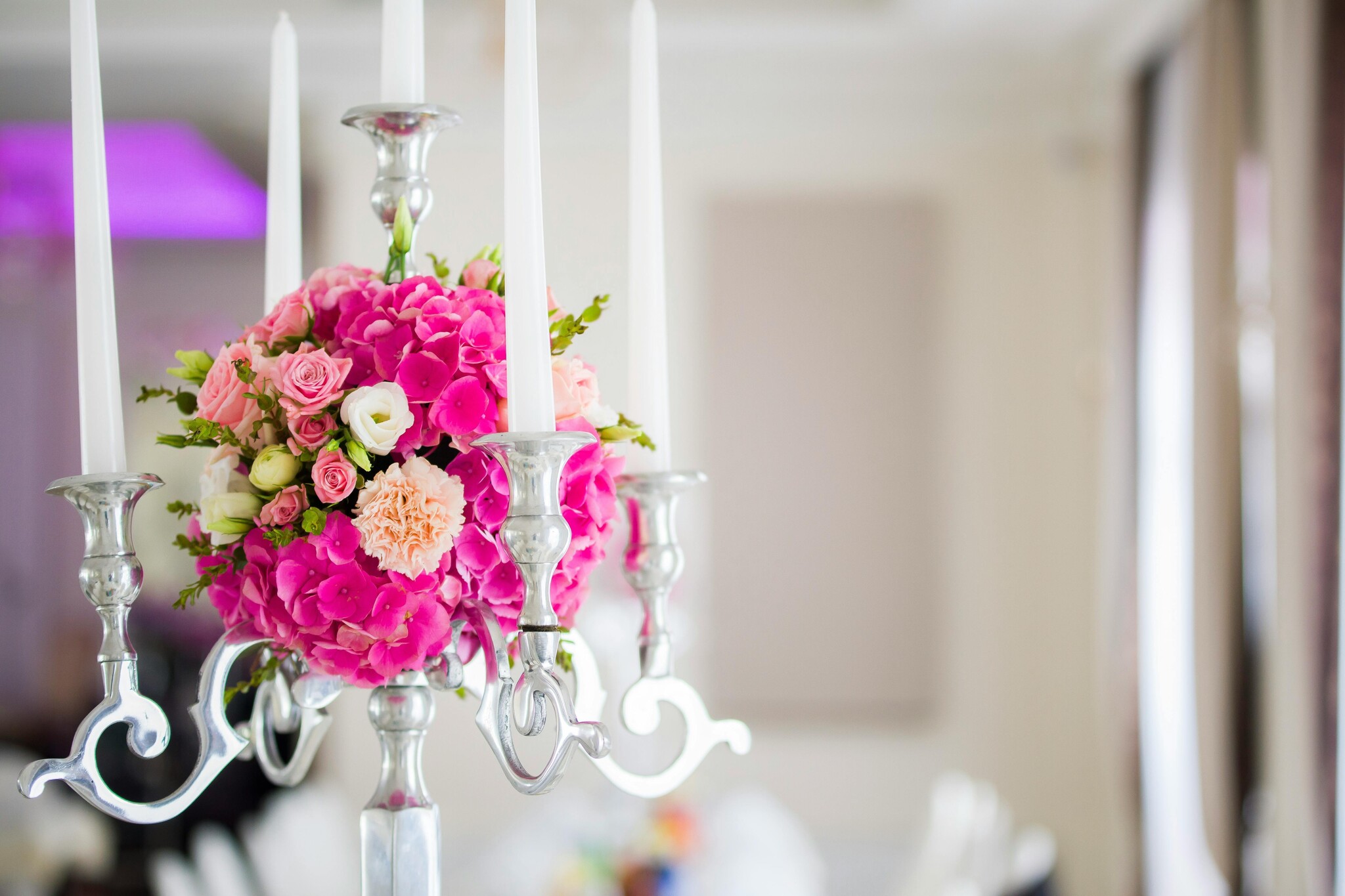
• Low and lush: Perfect for conversation-friendly tables. Hydrangeas create a full mound without needing height.
• Compote or pedestal bowl: Elevates the design and adds a classic wedding feel.
• Bud vase collections: Use small hydrangea sprays mixed with baby's breath and greenery for a light, modern look.
• Garland runner with "moments": Add clusters of hydrangeas along greenery for a styled-but-not-stuffy feel.
How many stems per table?
Here's a practical planning guide for wedding hydrangea centerpieces on standard 60" round tables:
• Low centerpiece (single arrangement): 3–6 hydrangea heads plus filler and greenery
• Compote centerpiece (full and formal): 6–10 hydrangea heads plus accents
• Bud vase set (6–10 vases): 1 small spray or partial head per vase, mixed with airy filler
For long banquet tables, plan in repeating groupings (for example, one larger hydrangea moment every 18–24 inches, with greenery and candles in between).
Seasonal styling ideas for wedding table flowers
Hydrangeas adapt beautifully across seasons. Use your palette and supporting textures to tell the story.
• Spring: Soft whites, blush, light blue, and fresh greens. Add baby's breath for lightness.
• Summer: Blue and white for coastal, or bright mixed tones for a garden party vibe.
• Fall: Pair hydrangeas with deeper greens and warm neutrals; consider adding dried-look textures for depth.
• Winter: White-on-white can be stunning. A piece like Snowy Hydrangea Bundle works well for wintry centerpieces and holiday-adjacent weddings.
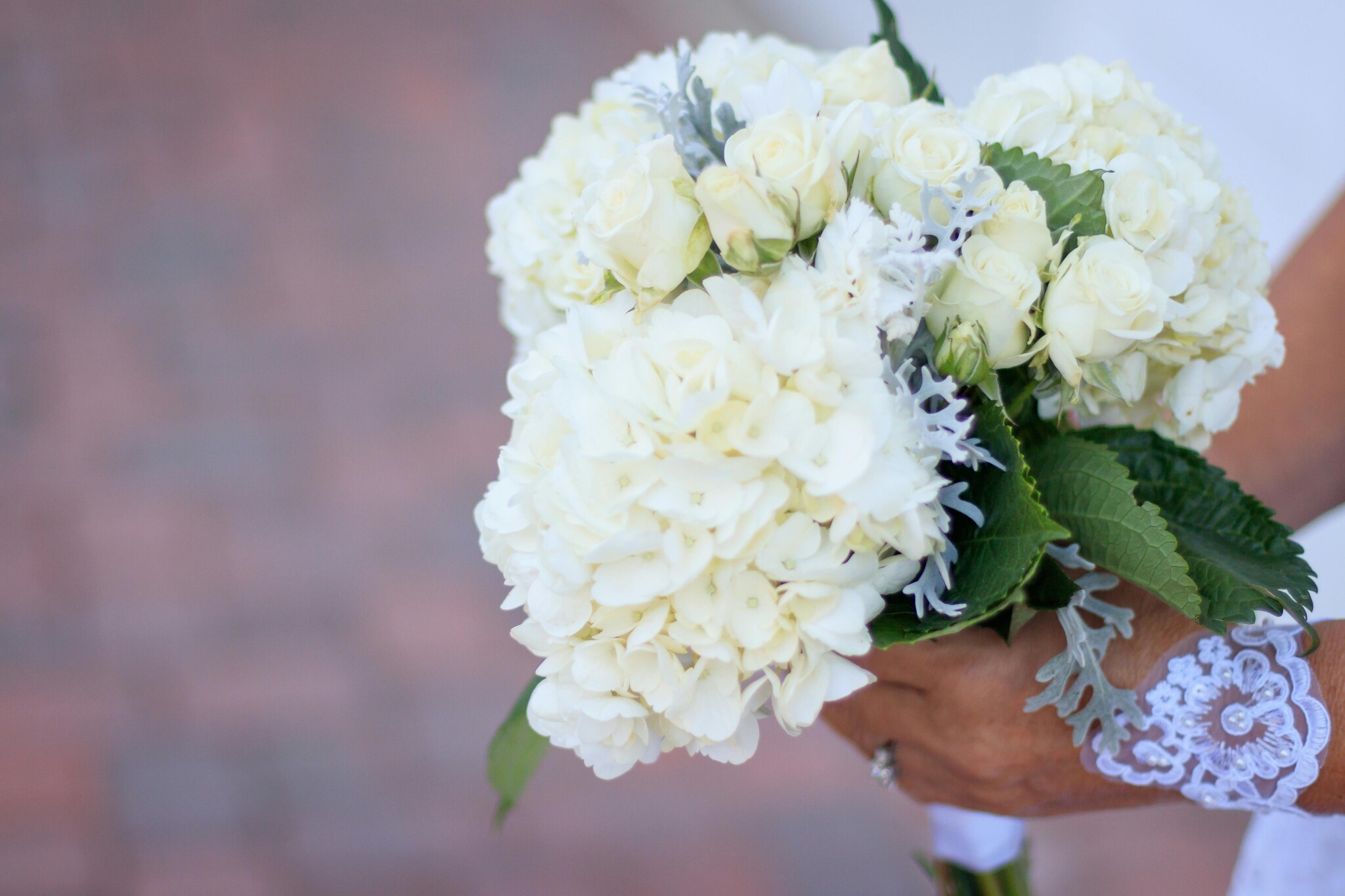
DIY wedding flowers with silk hydrangeas: a realistic plan (and a timeline)
If you're considering DIY wedding flowers, hydrangeas are one of the easiest "high-impact" blooms to work with. You can create fullness quickly, and silk stems are forgiving—no water buckets, no last-minute wilting, no scrambling to replace bruised petals.
A low-stress DIY timeline
• 8–12 weeks out: Finalize palette, decide arrangement styles (bridal bouquet, bridesmaids, centerpieces), order stems, and gather tools.
• 6–8 weeks out: Build a prototype centerpiece and one prototype bouquet. Adjust quantities before committing.
• 3–5 weeks out: Assemble bridesmaid bouquets and most centerpieces. Store in boxes or large bins so blooms don't crush.
• 1–2 weeks out: Build the bridal bouquet and detail pieces (boutonnieres). Do a photo test.
• Wedding week: Final fluffing, transport plan, and venue setup.
Tools and supplies you'll actually use
• Wire cutters (floral stems can be thick)
• Floral tape and/or stem wrap
• Ribbon for bouquet handles
• Zip ties (excellent for securing mechanics in centerpieces)
• Vases/compotes and optional foam or chicken wire for structure
Transport and setup tips (where DIY often goes wrong)
• Box bouquets upright: Use tall boxes or bins so blooms don't flatten.
• Label everything: Table numbers, "sweetheart," "gift table," etc.
• Bring a mini kit: Scissors, extra ribbon, tape, and a few spare stems for quick fixes.
• Assign a "flower captain": Someone who isn't in hair and makeup can handle placement and last-minute fluffing.
How to choose colors: making silk hydrangeas look natural in your palette
Hydrangeas can be a main color moment or a soft blending bloom. With hydrangea bridal flowers, the key is to avoid a "too perfect" match across everything. Real weddings look best when tones vary slightly.
Color strategies that read expensive and intentional
• Monochrome with variation: Use multiple whites/ivories or multiple blues to create depth.
• Hydrangeas as a neutral: White or soft green hydrangeas can support bolder accent colors.
• Two-tone hydrangea mix: Blend one main shade with one lighter shade to mimic natural variation.
If you're coordinating with bridesmaid dresses, remember that camera sensors often shift blues and purples. A quick phone photo test beside fabric swatches can save you from surprises.
Silk vs fresh hydrangeas: how they compare for weddings
Choosing between fresh and silk doesn't have to be all-or-nothing. Many couples do a blend: silk for personal flowers and high-stress pieces, fresh for select statement moments, or vice versa. Here's a practical comparison to help you decide.
• Look: High-quality silk can photograph extremely well; fresh has unmatched natural variation up close.
• Durability: Silk wins—especially for heat, sun, and long photo timelines.
• Planning: Silk allows early assembly and easy repurposing; fresh requires careful timing and conditioning.
• Cost control: Silk often has higher upfront cost per stem but can be reused and kept; fresh is one-and-done and can fluctuate by season.
• Keepsake potential: Silk wins by default; fresh requires preservation.
From bouquet to keepsake: ways to preserve your wedding flowers beautifully
One of the most meaningful reasons to choose silk hydrangeas for weddings is the ability to keep your bouquet exactly as it looked on the day. With silk, your keepsake bouquet isn't a fragile memory—it's decor you can enjoy for years.
Keepsake ideas couples actually display
• Shadowbox bouquet: Place a smaller version of your bouquet (or a few signature stems) in a deep frame.
• Anniversary vase arrangement: Rework your bridal bouquet into a vase you can style seasonally.
• Memory arrangement: Combine a few wedding stems with flowers from other milestones.
• Mini bouquet for a parent: Create a smaller arrangement as a thank-you gift.
How to store silk wedding flowers after the event
• Keep them dry and dust-free: Store in a lidded bin or box.
• Avoid crushing: Support bloom heads with tissue paper.
• Store away from heat and direct sunlight: Helps prevent fading over time.
Shopping smart: building a cohesive silk wedding flower collection
When you're buying silk wedding flowers, it helps to think in "collections" rather than single stems. Choose your hero bloom (hydrangea), then pick 1–2 supporting textures and 1 greenery. This keeps everything consistent across bouquets, wedding table flowers, and ceremony pieces.
A simple way to plan your order
• List every floral moment: bridal bouquet, bridesmaids, boutonnieres, centerpieces, sweetheart table, cake table, ceremony entry, etc.
• Decide what needs to match perfectly: Usually the bridal bouquet and bridesmaids, plus one centerpiece style.
• Choose 2–3 hydrangea stem styles/sizes: Larger heads for bouquets and main arrangements, smaller sprays for accents and bud vases.
• Add consistent supporting stems: Baby's breath and pittosporum are versatile and photograph well.
• Order a few extra stems: Spares make last-minute design tweaks easy.
Quick styling recipes (bouquets, centerpieces, and more)
Use these as starting points and adjust to your palette and venue style.
Recipe 1: Classic white silk bridal bouquet
• 5–7 white hydrangea heads (mix subtle shades if possible)
• 3–5 stems baby's breath for softness
• 3–6 stems pittosporum to frame and add movement
This creates a clean, timeless silk bridal bouquet that works with almost any dress silhouette.
Recipe 2: Garden-inspired wedding hydrangea centerpieces (low)
• 4–6 hydrangea heads
• 2–4 baby's breath stems
• 4–8 greenery stems (pittosporum or similar)
Build in a shallow bowl or low vase for a conversation-friendly look that stays full all night.
Recipe 3: Bud vase table styling (minimal and modern)
• Small hydrangea sprays (1 per vase or split across vases)
• Baby's breath in a few vases for airy variation
• Greenery sprigs to keep the look cohesive
This approach stretches your stems across many tables and creates a light, curated feel.
Choosing an artificial wedding bouquet that feels like "you"
Your bouquet is one of the most photographed pieces of the day—during the first look, ceremony, portraits, and reception. An artificial wedding bouquet should match your style and hold up to close-ups. When hydrangeas are part of your vision, aim for a design with:
• Dimension: Not all blooms at the same height.
• Textural contrast: Hydrangeas plus airy filler (like baby's breath) plus greenery.
• A comfortable handle: A bouquet can be heavy; hydrangeas add volume quickly.
If you're torn between DIY and ready-to-go pieces, a smart middle ground is to start with a polished table arrangement or two and then DIY the rest to match. That way, you set a quality benchmark and keep the overall look consistent.
Final thoughts: silk hydrangeas that work hard and last long
Hydrangeas bring softness, volume, and romance to wedding design—and in silk, they bring peace of mind. Whether you're planning a full floral install or simply want a reliable keepsake bouquet, high-quality faux wedding flowers let you create a cohesive look across bouquets, wedding hydrangea centerpieces, and personal flowers without the pressure of day-of freshness.
If hydrangeas are part of your wedding vision, consider mixing a larger, realistic stem (for bouquets and statement moments) with a smaller spray (for detail work), then tie it all together with consistent filler and greenery. The result is wedding florals that photograph beautifully, travel well, and can be enjoyed long after the last dance.
Comments
Be the first to comment...