
The Best Decorative Garden Yard Stakes to Transform Your Outdoor Space
- Posted on
- 0
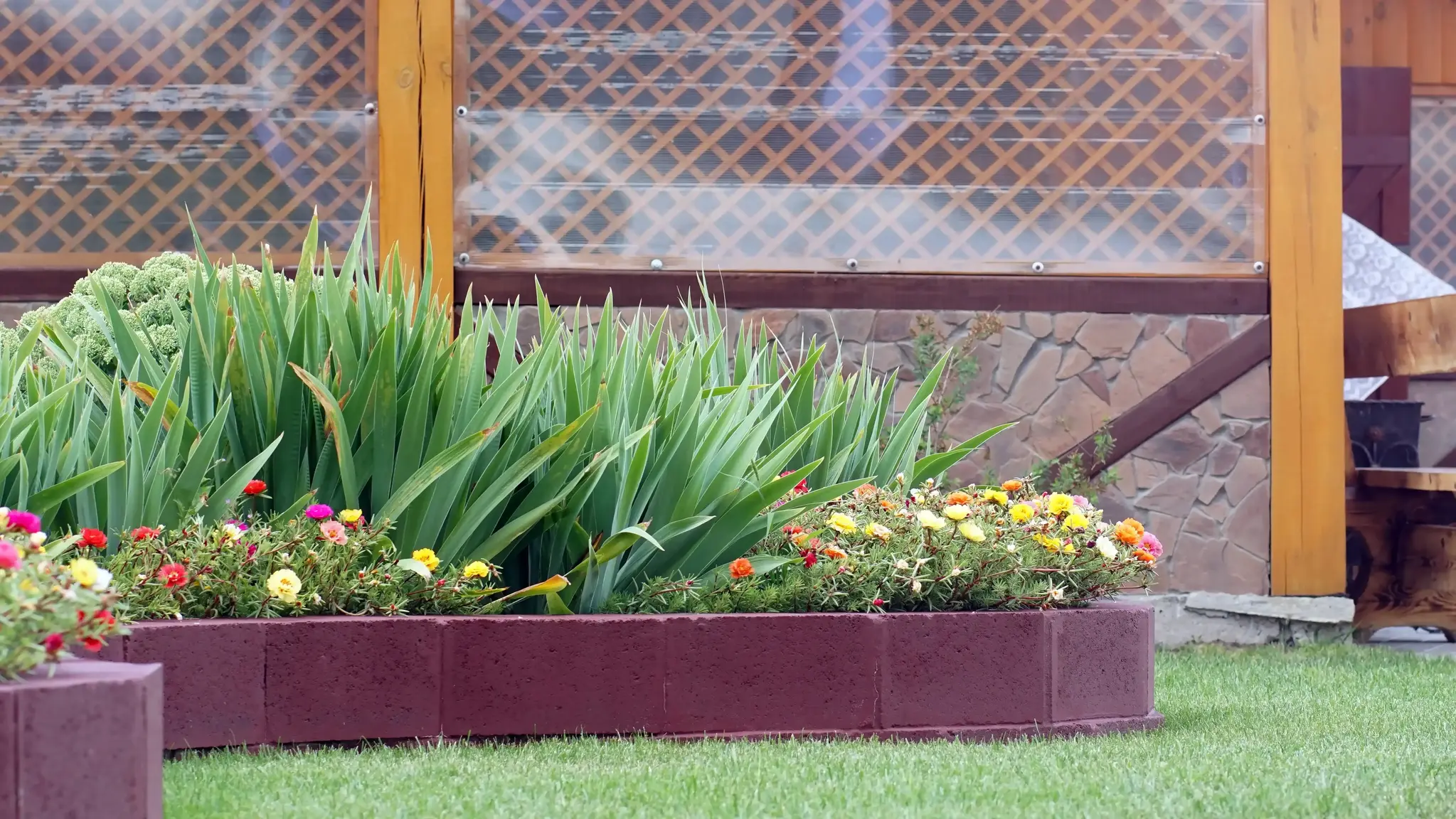
Your flower beds are thriving. The lawn looks good. But something about the yard still feels flat, like a room that's missing art on the walls.
That's usually where garden stakes come in. They're one of the most underused tools in outdoor decorating: small in footprint, high in personality, and able to pull a whole yard together in a way that plants alone can't. A well-placed metal art pole captures the viewer's attention. A cluster of bird stakes near a feeder gives the corner of your garden a story. Solar stakes make a pathway feel intentional after dark.
Your flower beds are thriving. The lawn looks good. But something about the yard still feels flat, like a room that's missing art on the walls.
That's usually where garden stakes come in. They're one of the most underused tools in outdoor decorating: small in footprint, high in personality, and able to pull a whole yard together in a way that plants alone can't. A well-placed metal art pole captures the viewer's attention. A cluster of bird stakes near a feeder gives the corner of your garden a story. Solar stakes make a pathway feel intentional after dark.
The right decorative yard stakes won't just fill space; they'll give your garden perspective.
Browse our full yard stake collection to see everything currently in stock, or keep reading to find out which styles work best where.
What Are Decorative Garden Yard Stakes?
Garden stakes designed for decoration are different from the plain bamboo or wire stakes used to support plants. These are standalone outdoor accents, typically made from metal, powder-coated steel, or treated materials, designed to be pushed into garden beds, borders, lawns, and pathways purely for visual effect.
They range from small tabletop-height accents (12–18 inches) to tall art poles that clear the top of a shrub border (4–6 feet). Most are single-piece or two-piece designs that stake directly into the ground; no tools are required.
What makes them useful for decorating? They add vertical interest without taking up planting space; they're easy to reposition as the season changes; and they work in beds that don't have enough mature plants yet to feel finished.
Metal Garden Stakes: The Workhorse Option
Metal is by far the most common material, and for good reason. Powder-coated steel holds up to seasons of rain, sun, and soil contact without rusting out in the second year. The designs available in metal cover more ground than any other material, from delicate wildflower silhouettes to bold geometric shapes to rustic roosters and farmhouse-style signs.
A few categories worth knowing:
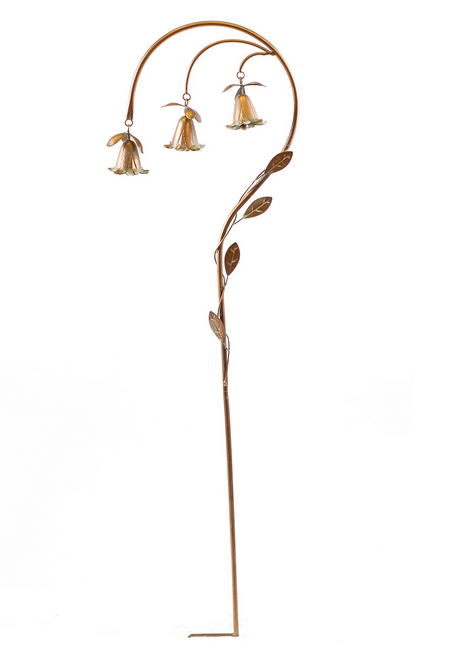
Metal art poles are the tallest option, typically 3–6 feet, and work best planted at the back of a border where they can rise above lower plants without being blocked. They look especially striking in odd numbers: three staggered at slightly different heights reads as intentional, not random.
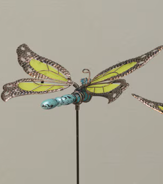
Metal silhouette stakes are the mid-height workhorse (18–36 inches). Birds, butterflies, dragonflies, sunflowers, and most of the classic garden stake designs fall here. They work in beds, along a fence line, or flanking a pathway. Because they're flat-profile, they don't compete with the plants around them.
Metal signs and inspirational stakes carry messages like "grow," "gather," and "be the reason" and work well near an entry point: front door beds, mailbox plantings, and porch containers. Our garden accessories collection includes a range of these.
Solar Garden Stakes: Form That Pulls Double Duty
Solar stakes are one of the more practical decorative options because they earn their keep twice as a daytime visual accent and as soft lighting after dark. Most use small LED clusters powered by a solar cell in the top of the stake, which charges through the day and runs for 6–8 hours at night.
They work especially well in spots where you want a pathway marker or a little ambient glow: along a front walk, tucked into the edge of a patio border, or flanking steps. The light output is subtle; think "pretty" not "functional," so they're not replacing your porch light. They're creating mood.
Look for designs where the solar panel is integrated into the decorative topper (flower, dragonfly, or bird) rather than a separate flat panel; those look better in daylight and blend more naturally into the planting.
Current solar options in our yard stakes collection include bird and flower silhouette designs with warm-white LED clusters.
Bird and Animal Yard Stakes: The Personality Play
Bird-themed garden stakes are consistently the most popular category, and it's not hard to see why. Cardinals, blue jays, herons, owls, and hummingbirds all have recognizable shapes that translate well to flat metal silhouettes. Placed near your actual bird feeders, they create a little ecosystem feel in that corner of the yard.

Animal stakes go broader: frogs on lily pads, bunnies in mid-hop, roosters for a kitchen garden, and deer profiles for a naturalistic border. These work best when they feel like they belong to the planting around them, like a frog stake near ground-cover plants or a bunny stake in a cottage-style flower bed.
A note on placement: single animal stakes tend to look lonely. Two or three of the same animal, staggered at slightly different heights and depths in the bed, look like they're doing something.
How to Use Yard Stakes for Maximum Impact
Most people stick one stake in the ground somewhere and call it good. That works fine. But there are a few placement habits that make the difference between a yard that looks decorated and a yard that looks like it has stuff in it.
Layer by height. Place taller stakes (art poles, 4+ feet) at the back of a border, where they act as a backdrop. Mid-height stakes (18–30 inches) go in the middle. Short stakes (under 18 inches) work at the front edge of a bed or in containers.
Group in odd numbers. Three stakes of the same style, varied slightly in position, read as a deliberate cluster. Two looks, like you couldn't decide. One is fine if the design is bold enough to carry the space alone.
Use them to anchor empty spots. If a bed has a gap where a plant hasn't filled in yet, a stake or two buys you time without making the area look unfinished. It's a holding pattern that actually looks promising.
Change them seasonally. This is where decorative stakes really prove their worth. Swap in spring florals, summer birds, fall pumpkin silhouettes, and winter/holiday designs as the year moves. They're light, cheap to switch out, and the rotation keeps your yard feeling current. Our outdoor flags and garden spinners work well alongside stakes for the same seasonal rotation approach.
Pairing Garden Stakes with Other Outdoor Decor
Stakes look their best when they're part of a broader outdoor styling scheme rather than the only decorative element.
A few pairings that work well: metal stakes near a seating area pick up nicely on the lines of metal outdoor furniture. Wind chimes and stakes share a similar scale and material family; putting wind chimes on a nearby hook and stakes in the bed below creates a cohesive vignette. Art poles in a border complement a flag display on the house or mailbox, especially if they share a color or theme.
The rule of thumb: pick a material (metal) or a theme (birds, botanical, or Americana) and carry it across multiple elements. Cohesion is what makes a yard look styled rather than collected.
FAQ
What are decorative garden yard stakes made of? Most decorative yard stakes are powder-coated steel or cast iron, which resists rust and UV fading better than raw metal or painted wood. Some specialty stakes are made from recycled metal, glass, or ceramic; these look beautiful but tend to be more fragile. For most outdoor use, powder-coated steel is the best choice.
How tall should garden stakes be? It depends on where you're placing them. For a front-of-border accent, 12–24 inches is right. For a mid-border element, 24–36 inches. For a tall focal point at the back of a bed or as a standalone accent in a lawn area, the height should be 4–6 feet. Art poles in the 4–5 foot range work especially well for creating a vertical focal point in a border that doesn't yet have tall plants.
Can garden stakes stay outside year-round? Quality powder-coated metal stakes are designed for year-round outdoor use. If you're in an area with heavy snow or ice, it's worth pulling them and storing them for winter, not because they'll rust, but because ground freeze/thaw cycles can shift or bend the stake over time. Solar stakes should be stored or brought under cover in winter since freezing temperatures can degrade the battery over time.
What's the best way to group decorative garden stakes? Odd numbers (3, 5) tend to look more natural than even groupings. Vary the height slightly within the group — same theme or design family, but staggered 3–6 inches in height. Push them into the ground at slightly different angles to avoid a perfectly uniform line, which reads as stiff.
Comments
Be the first to comment...