
How to Style Garden Yard Stakes for a Beautiful Front Yard All Season Long
- Posted on
- 0
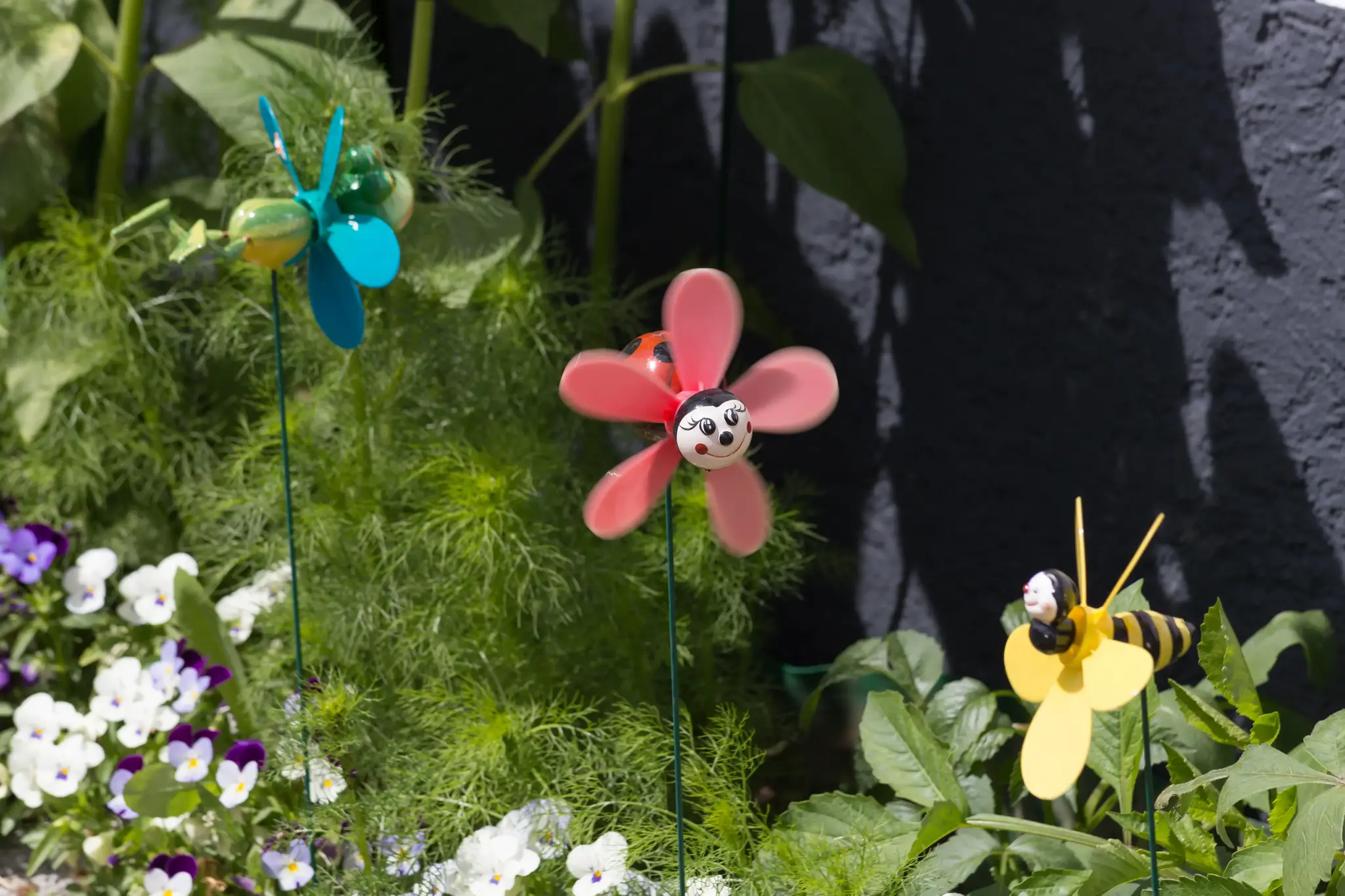
Most front yards have the same problem: they look great in June, when everything is blooming, and a bit forgotten the rest of the year.
Decorative garden stakes are one of the cheapest, most flexible fixes for this. Unlike plants, you can swap them out in twenty minutes. Unlike flags or wreaths, they work directly in your beds rather than on structures. And unlike big-ticket hardscape changes, they're reversible, if a placement doesn't work, you pull it out and try somewhere else.
Most front yards have the same problem: they look great in June, when everything is blooming, and a bit forgotten the rest of the year.
Decorative garden stakes are one of the cheapest, most flexible fixes for this. Unlike plants, you can swap them out in twenty minutes. Unlike flags or wreaths, they work directly in your beds rather than on structures. And unlike big-ticket hardscape changes, they're reversible, if a placement doesn't work, you pull it out and try somewhere else.
Done well, a handful of stakes give your front yard a finished, intentional look through every season. Here's how to get there.
Browse the full yard stakes collection to see what's currently in stock, new designs come in as the seasons turn.
Start With the Basics: Three Rules That Actually Work
Before you think about which stakes to buy, a few placement habits will make every design decision easier.
Rule 1: Height layers belong front to back. Short stakes (under 18 inches) go at the front edge of a bed or in a container. Mid-height stakes (18–30 inches) sit in the middle of a border, between lower groundcovers and taller plants. Tall art poles (3–6 feet) anchor the back, where they can clear the top of shrubs and be seen from the street. Ignoring this layering — planting a 4-foot art pole at the front of a 12-inch bed — is the most common mistake, and it makes a yard look cluttered rather than composed.
Rule 2: Odd numbers read as intentional. Three stakes of the same design, staggered slightly in height and position, look like a deliberate grouping. Two looks like you couldn't make up your mind. One works only if the stake is bold enough to stand alone — a large metal silhouette, a significant art pole. For most stakes, group in threes or fives.
Rule 3: Pick one material or one theme per zone. A front bed that mixes metal bird silhouettes, ceramic gnomes, painted wood signs, and glass solar stakes looks like a yard sale. Pick metal, or pick birds, or botanical themes, or a color family, and carry it through a given area. The coherence is what makes a yard look styled rather than stuffed.
Our full garden accessories section is organized by type, which makes it easier to shop within a consistent material or theme.
Spring: Make Empty Beds Look Intentional
Spring is when stakes earn their keep most obviously. Plants are small, beds look thin, and everything is still filling in. Stakes fill the visual gap without crowding out the growth.
What works in spring: Tulip and daffodil silhouettes, butterfly stakes, bird stakes in bright colors, wildflower art poles, and anything in fresh greens, yellows, and whites. This is the right time for taller stakes in the back of the border — they give height while the perennials are still getting started.
Placement priority in spring: Focus on the front entry area. The bed framing your front door, the strip along the front walk, and the foundation planting nearest the street are where stakes make the biggest curb appeal impact. A visitor walking up your path should encounter the stakes before they reach the door.
Pair your spring stakes with outdoor flags on the house or mailbox in a matching theme. A botanical flag on the house and botanical metal stakes in the front bed create a cohesive look across the whole front yard at once.
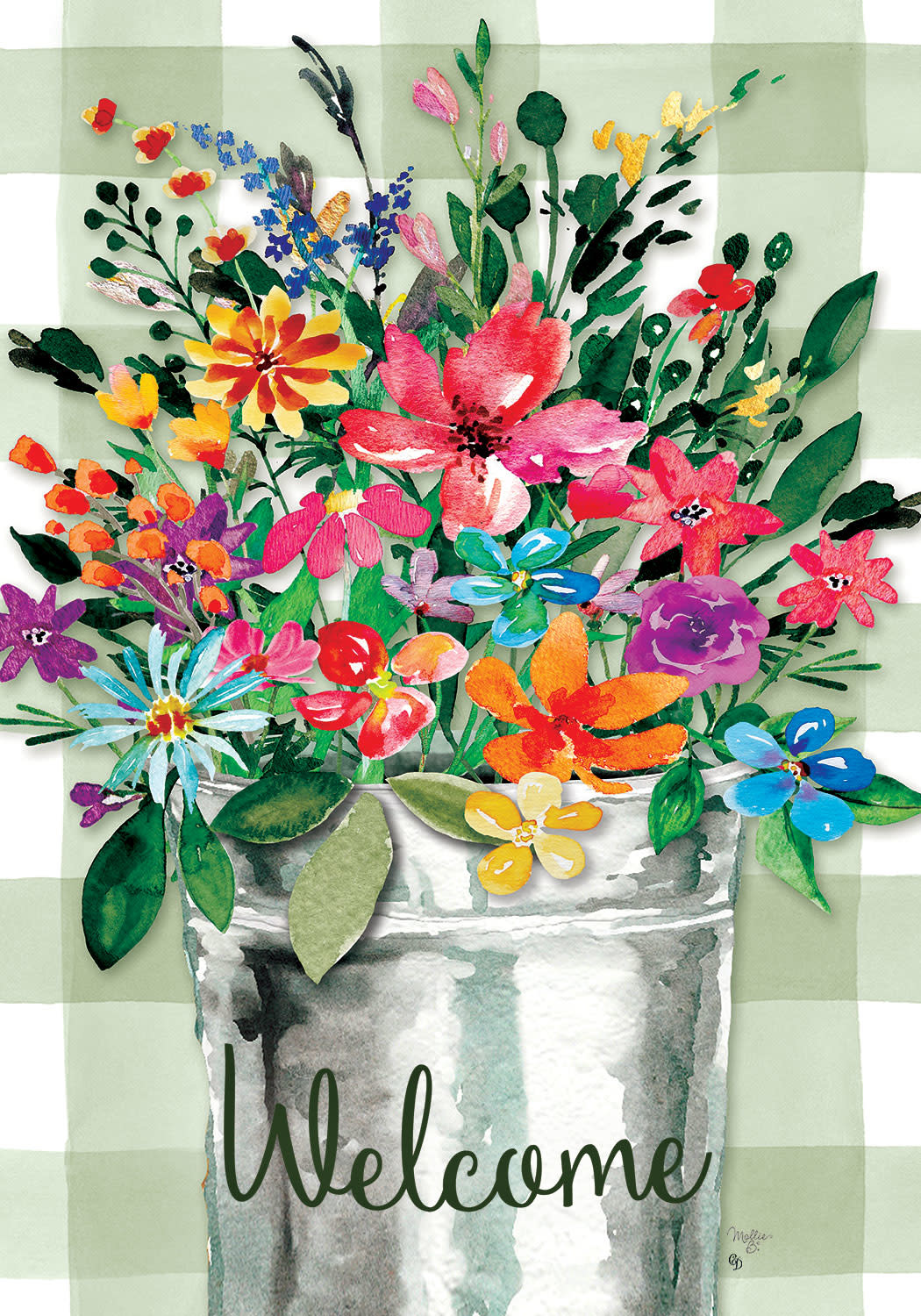
Summer: Go Taller, Go Bolder
By summer, plants have filled in and the garden is doing more of the visual work. Stakes now need to compete with the surrounding growth, which means going taller and bolder.
What works in summer: Art poles at 4–6 feet, large metal flower silhouettes, bird and hummingbird designs, Americana themes if you're decorating through July 4th, and solar stakes that earn their keep in the long evenings. Sun-themed and dragonfly designs show up well against summer foliage.
Placement priority in summer: The back of borders, where taller stakes read above the plant canopy. Also: along a fence line or property edge, where stakes add interest to what would otherwise be a flat green wall.
A summer-specific tip: use solar stakes along your front walkway. The long June and July evenings mean they get a full charge and run well into the night. A line of solar stakes along a front path, lit up at dusk, is genuinely one of the easiest curb appeal upgrades you can do.
Garden spinners and wind chimes add movement alongside summer stakes, particularly effective near a porch or seating area where you'll actually hear and see them. If you have bird feeders in the yard, bird-themed stakes nearby create a little ecosystem vignette that reads as intentional garden design.
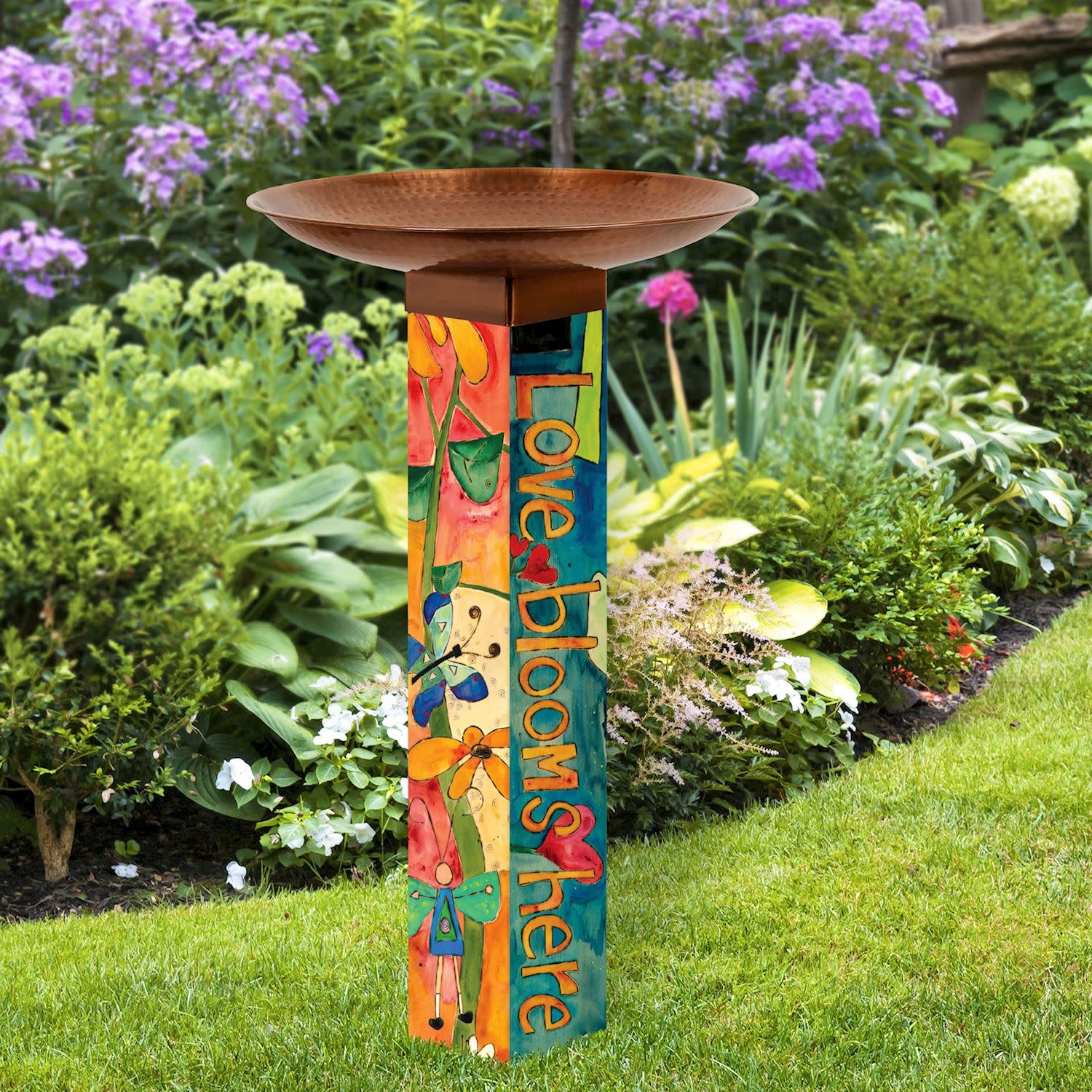
Fall: Swap Early, Commit Fully
The biggest mistake in fall decorating is waiting too long. Swap in fall stakes in late August or early September — while there's still warm weather and you're actually spending time in the front yard. By October, you're decorating for yourself and anyone who drives by, and that's fine too.
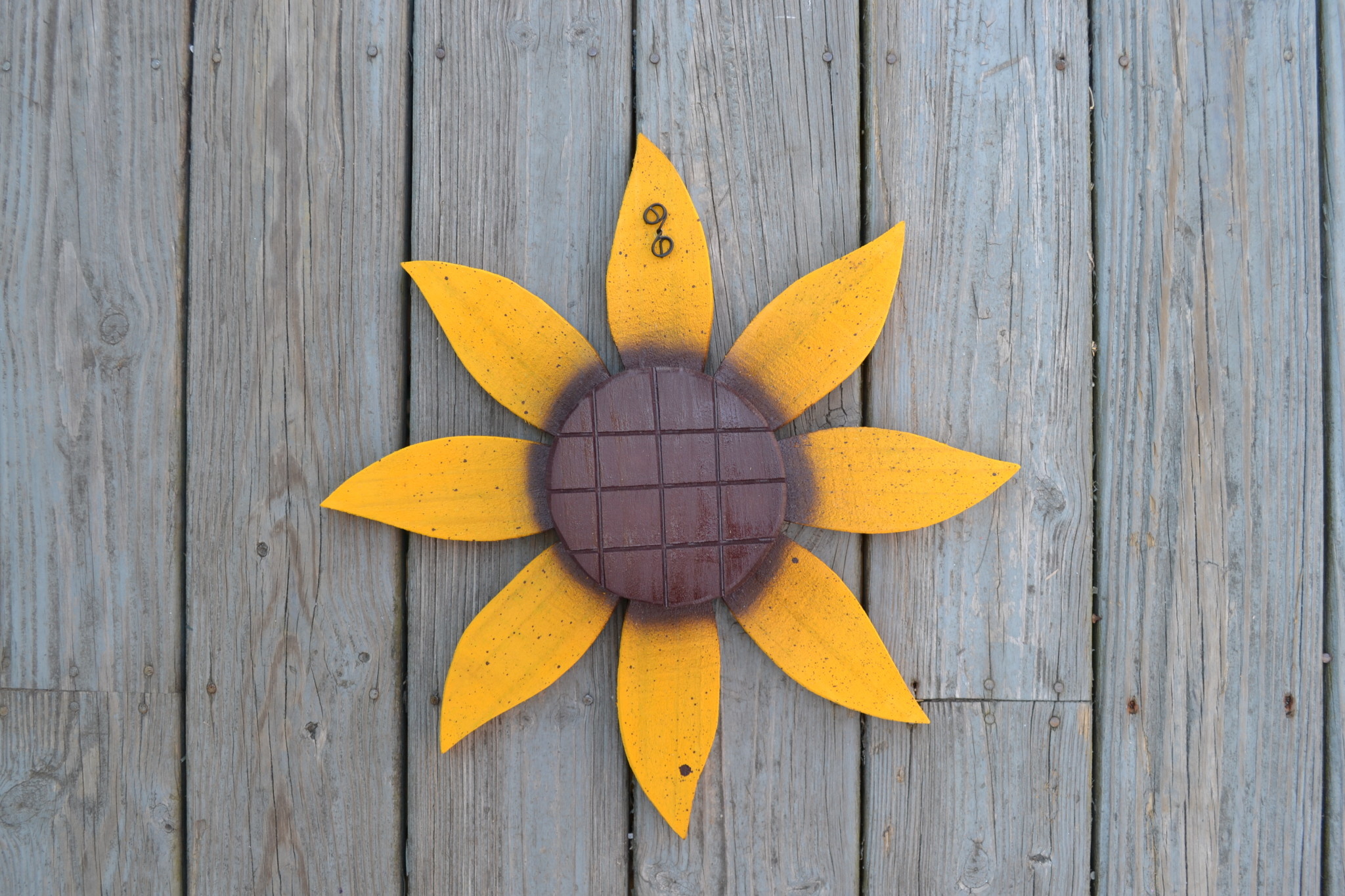
What works in fall: Pumpkin silhouettes, harvest stakes in rust and gold, turkey and autumn leaf designs, sunflower stakes in burnt orange, and anything in deep jewel tones. The warmth of fall colors, copper, burgundy, amber, against the last of the green lawn is a genuinely beautiful combination.
Placement priority in fall: Layer stakes in with pumpkins and gourds on the front stoop. A cluster of pumpkin-themed metal stakes in the bed beside the door, alongside actual gourds on the steps, creates a cohesive front entry display without requiring any architectural changes.
Coordinate with a mailbox wrap and fall flag to carry the theme across the whole front of the house. The mailbox, the door, and the front beds working in the same color palette is what separates a decorated front yard from a well-decorated one. Browse the full fall collection for matching seasonal pieces.
Holiday and Winter: Keep It Simple, Make It Count
The instinct in December is to add more, more lights, more inflatables, more everything. Stakes are actually the counterargument to that instinct. A few well-placed metal stakes in holiday themes add charm without the visual noise.
What works for the holidays: Snowflake silhouettes, nativity scene stakes, star and angel designs, cardinal stakes (cardinals in winter against snow is a genuinely beautiful visual), and art poles with holiday messages. These work best in small groupings against a simple backdrop, the front foundation planting, the pathway edge, the mailbox bed.
In winter, after the holiday decor comes down, metal silhouettes of bare-branch birds and winter animals hold their own in the quiet months. The yard doesn't need to be completely empty between December and March, a few clean metal accents keep the front beds from looking abandoned.
Browse the Christmas collection for seasonal stakes, along with matching linens, candles, and garlands to bring the same palette indoors.
Pairing Stakes with Other Front Yard Elements
Stakes work best as part of a broader scheme rather than the only outdoor accent.
With outdoor furniture: Metal stakes and metal outdoor furniture share a material language. Stakes in the front beds, metal seating on the porch, same family. It reads as considered.
With flags and mailbox wraps: A seasonal flag on the house or a mailbox wrap in the same theme as your front bed stakes tells the same story from multiple points in the yard. The repetition of a motif, birds, botanicals, Americana, is what creates a sense of style rather than decoration.
With containers: Front door containers are a natural home for shorter stakes. A 14-inch metal bird stake pushed into a planted container on your front stoop is more interesting than the plant alone, and it anchors the whole arrangement.
Browse our outdoor products section to see what's available across all outdoor décor categories for the current season.
FAQ
How many garden stakes should I use in one bed? It depends on bed size, but a 6–8 foot front bed typically looks best with 3–5 stakes total — usually a cluster of 3 at one end and a single taller stake or small cluster at the other. More than that starts to compete with the plants. Less than three, unless you're using a single large piece as a focal point, tends to look sparse rather than minimal.
How do I keep front yard stakes from looking cheap? Material is the main factor — powder-coated metal consistently reads more upscale than painted wood or plastic. The second factor is restraint: a small number of good-looking stakes in a coherent theme looks intentional. A lot of mismatched stakes from different themes reads as accumulation. Third: placement matters. A stake pushed in straight, at the right depth, in a spot where it's actually visible and not hidden behind overgrown plants, looks like something someone put there on purpose.
Do decorative garden stakes need to come in for winter? Quality powder-coated metal stakes are designed for year-round outdoor use and can stay in through winter weather. The exception is solar stakes — freezing temperatures degrade the battery over time, so those are worth bringing in or covering if you're expecting a hard freeze. If you're in a region with severe freeze-thaw cycles, stakes can gradually work loose from the soil; just check them and reset them in spring.
What's the easiest way to switch stakes between seasons? Keep a small storage bin labeled by season — spring, summer, fall, holiday. When it's time to rotate, pull the current stakes and drop them in the bin, then pull the next season's stakes. The whole swap takes about 15 minutes per bed. Because you're not changing plants or structures, the transition is genuinely that fast. Having a seasonal rotation habit means your front yard always looks current without a lot of ongoing effort.
Comments
Be the first to comment...