
Artificial Ferns for Outdoor Spaces: Porch, Patio & Covered Areas
- Posted on
- 0
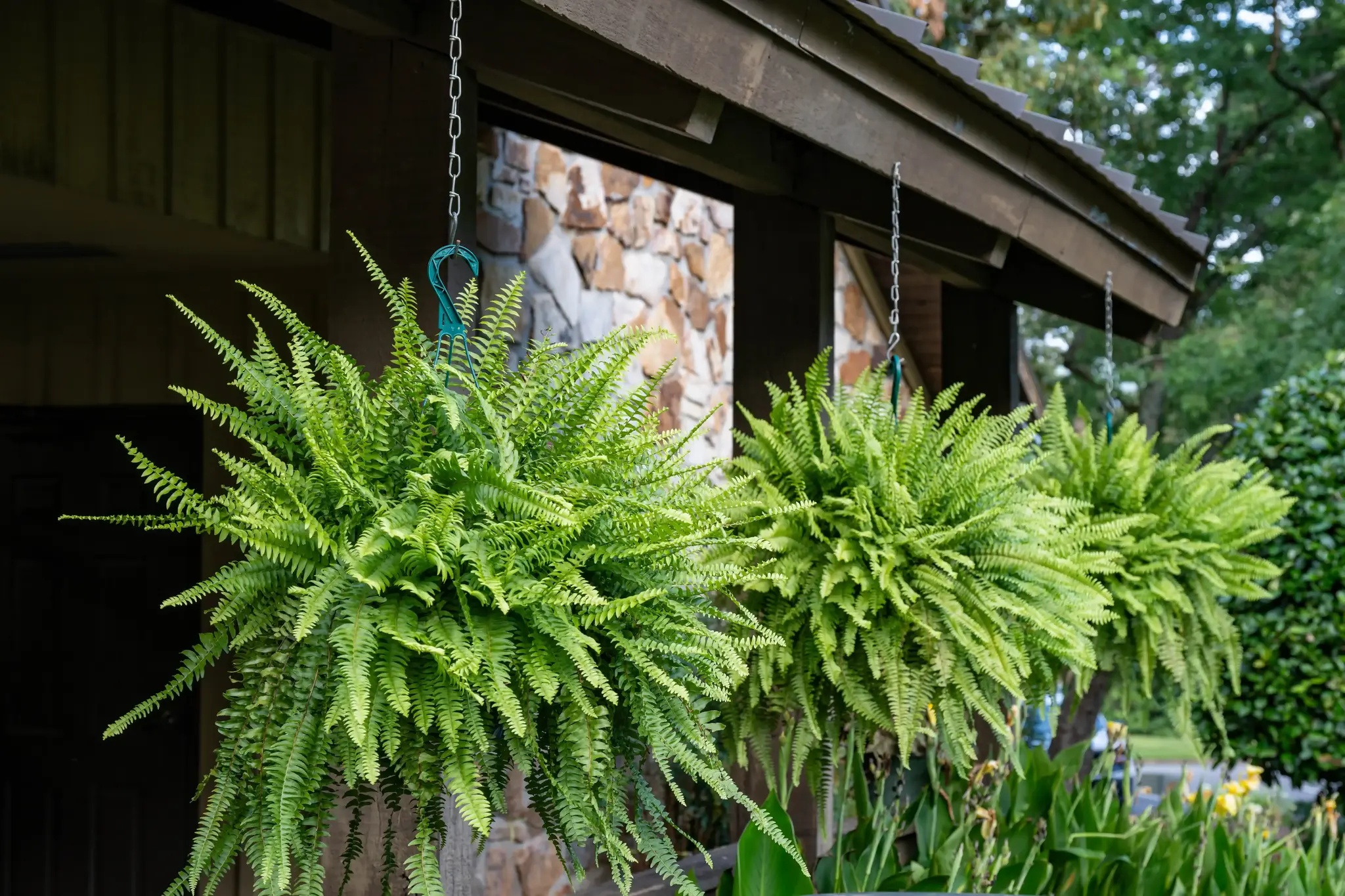
Real ferns on a front porch look beautiful, for about two weeks. Then comes the drooping, the browning, the daily watering guilt. If you've killed enough of them, you already know the fix: artificial ferns that are actually built for the outdoors.
Real ferns on a front porch look beautiful, for about two weeks. Then comes the drooping, the browning, the daily watering guilt. If you've killed enough of them, you already know the fix: artificial ferns that are actually built for the outdoors.
The catch is that not all faux ferns are outdoor-ready. A silk fern sold for indoor use will bleach, fade, and fall apart in a single season if it's getting direct sun. The ones that hold up are specifically treated for UV resistance, and the difference in how they look after six months outside is significant.
This guide covers how to choose the right artificial ferns for outdoor spaces, where and how to use them on a porch, patio, or covered area, and how to style them so they actually look like they belong there. If you're also decorating indoors, the companion post on using artificial ferns inside covers room-by-room placement and arrangement formulas.
Browse our silk ferns collection, and read on for the full outdoor styling breakdown.
The One Thing That Matters Most: UV Protection
Before anything else, before style, size, or placement, UV resistance is the filter that separates an outdoor fern from an indoor one that happens to be sitting outside.
Standard faux ferns use dyes that break down under ultraviolet light. Within a few months of direct sun exposure, they yellow, fade to a washed-out grey-green, and the fronds become brittle. It's not a slow decline, it's usually obvious by midsummer.
UV-treated ferns use stabilizers embedded in the material that absorb and deflect UV radiation. They still fade eventually (nothing is truly permanent outdoors), but the timeline extends from weeks to years.
What "UV resistant" actually means in practice:
• In full direct sun (south-facing porch, unshaded patio): expect 1–2 seasons of solid color before noticeable fading
• In partial sun or dappled light (covered porch, pergola with lattice): 3–5 seasons is realistic
• In full shade or a covered area with no direct sun exposure: UV-treated ferns can look fresh for 5+ years
The fronds of a good UV-treated fern also hold their structure better in heat, rather than softening and drooping the way untreated silk does in summer temperatures.
Explore our natural silk florals range for UV-treated fern options suited to outdoor use, and check product descriptions for UV treatment details before buying.
Covered Porch vs. Open Patio vs. Full Sun: Matching Fern to Exposure
Where you're placing the fern determines which type you need. There's a meaningful difference between these three situations:
Covered porch (no direct rain or sun): This is the easiest outdoor environment for faux ferns. A covered porch blocks UV and moisture, so even ferns not specifically marketed as outdoor-rated can hold up well here. The main threat is dust buildup and the occasional windblown moisture. Any quality silk or polyester fern works.
Partially covered or shaded area (pergola, deep overhang, shaded corner of a patio): Indirect light and filtered sun. A UV-treated fern is the right call here, you'll get significantly better color retention through the season. These spaces are ideal for hanging basket ferns and cascading Boston fern styles that benefit from dappled light.
Open patio or full-sun exposure: This is the hardest environment. You need a fern specifically rated for outdoor use with UV stabilization. Even then, rotate the container periodically so the same fronds aren't always facing the sun, and consider whether a more fade-resistant plant type (succulents, certain tropicals) might be a better fit for the most exposed spots. Ferns in full direct sun do best when they have some structural protection, tucked under a table edge, behind a container rim, or in a position where they're not catching midday sun.
The Best Fern Types for Outdoor Use
Not all fern varieties translate equally to outdoor settings. Some hold their shape better in wind and heat, others cascade more naturally in a planter or basket.
Boston ferns are the classic outdoor choice for a reason. Their arching, cascading fronds read as lush from a distance, hold up to wind movement without looking disheveled, and look convincing at the scale of a front porch planter. Two matched Boston ferns flanking a front door are a reliable, timeless look.
Leather leaf ferns are flatter and more structured, less cascading, more layered. They work well in mixed plantings where you want a fern's texture without the voluminous overhang of a Boston. Good for window boxes, long planters along a railing, or as a base layer in a large container mixed with other greenery.
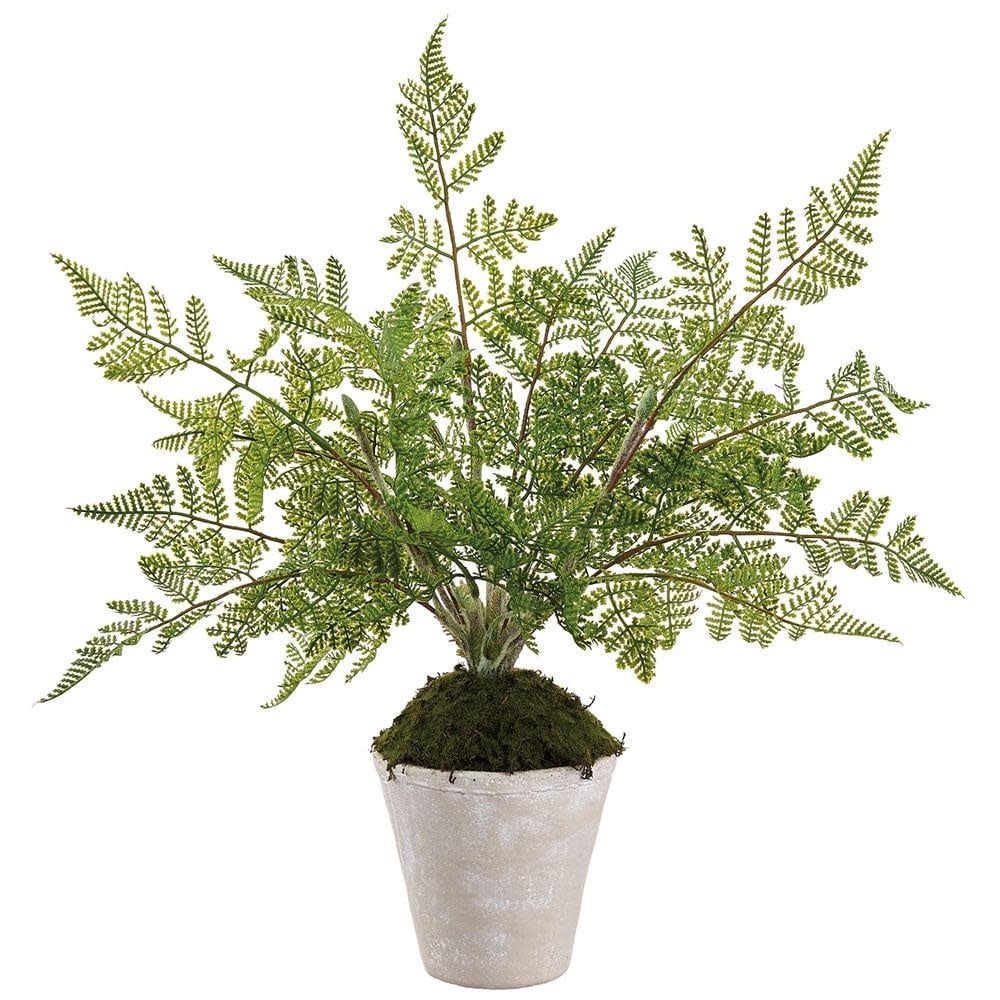
Maidenhair-style and forest ferns have finer, more delicate fronds. They're better suited to covered or protected areas where wind won't batter the fronds. In a sheltered corner of a covered porch or a protected patio nook, they add a softer, more naturalistic texture.
Browse the full greenery collection for fern bush options in different styles, sizes, and textures.
Where and How to Place Faux Ferns Outdoors
Front porch planters, the anchor play. Two large ferns in matching planters on either side of the front door is the single highest-impact placement. At this scale, go fuller and slightly oversized, a fern that looks almost too big indoors reads perfectly right on a porch. Choose planters that have some weight to them (ceramic, stone, or heavyweight resin) so they don't tip in wind.
Hanging baskets. A cascading Boston fern in a hanging basket on a porch ceiling is one of the most classic Southern front porch looks there is. For faux versions, the key is getting the right weight in the basket so it hangs with a natural drape. Fill the basket firmly enough that fronds angle outward and down, not straight up. Hang at a height where the bottom of the fronds sit just above eye level, around 6.5 to 7 feet.
Patio containers and urns. A tall urn or oversized planter on a patio corner, filled with a large fern, gives the space an anchor that a low pot on a table can't provide. Height matters here, the planter-plus-fern combination should hit at least 3.5 to 4 feet total to hold its own against furniture scale.
Railing and balcony displays. Long narrow planters along a railing are a natural fit for leather leaf ferns and fern bushes, which stay tidy and don't overhang excessively. For railings on covered balconies, garlands of mixed greenery threaded through balusters work alongside planter-based ferns to create a full, layered look.
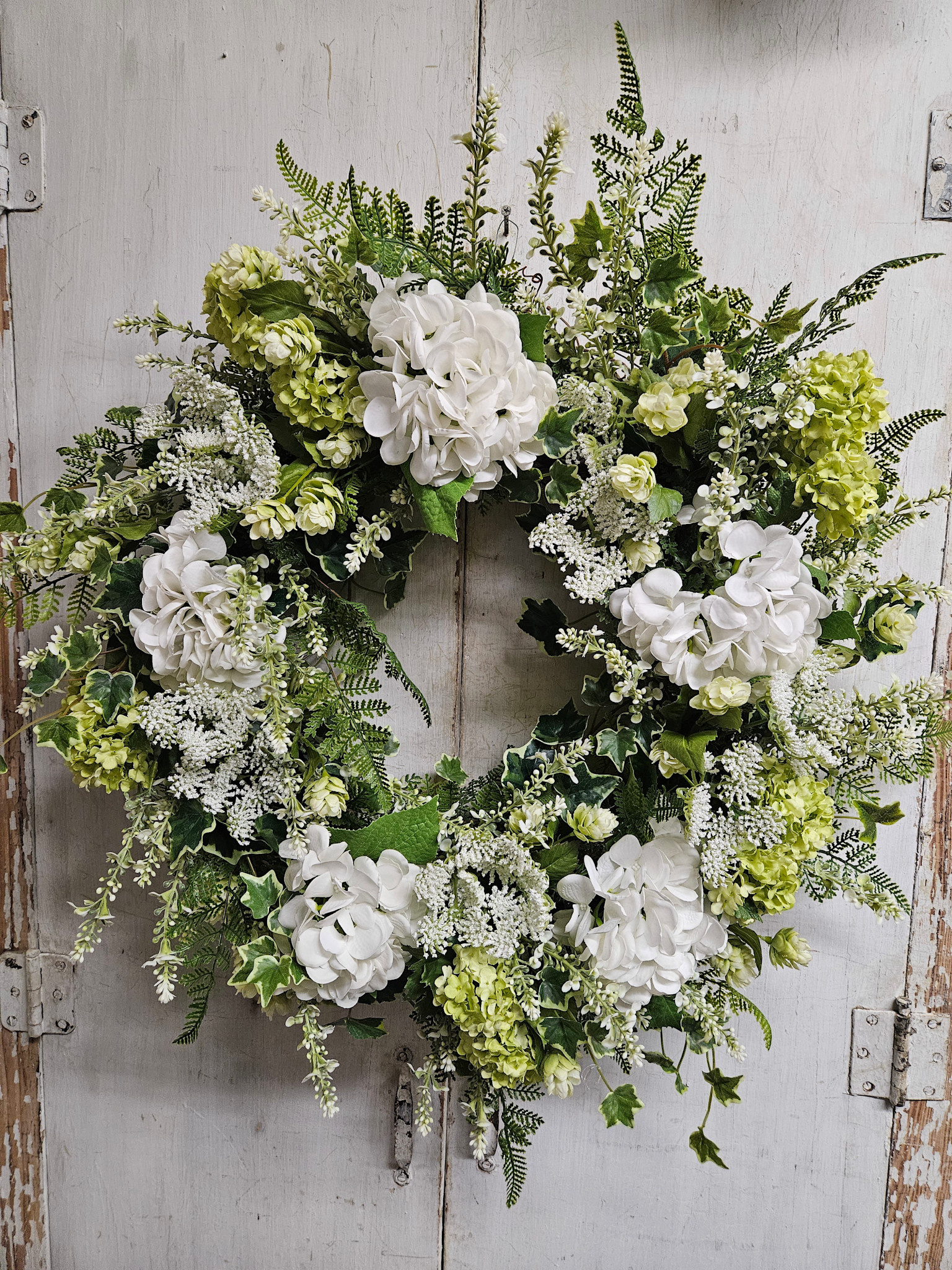
Front door wreath pairing. A fern-heavy wreath on the front door, combined with ferns in the flanking planters, carries a consistent botanical theme across the entire entry. The repetition of the same green texture, door and ground level, ties the whole front of the house together.
Styling Tips That Make Outdoor Ferns Look Real
Fluff fronds before placing. Ferns are compressed in shipping. Before putting them outside, bend each frond outward and slightly downward so it arcs naturally. Angle the outermost fronds to drape over the container rim, that overhang is what makes a potted fern look planted rather than inserted.
Top-dress the container. Cover the base with preserved moss, dark bark chips, or decorative stones. The moment you hide the foam or plastic insert, the fern reads as genuinely planted. This one step does more for realism than almost anything else.
Give it breathing room. Outdoor ferns that are crammed too tightly into a corner or against a wall look stilted. Ferns read best with some air around the fronds, a few inches of clearance on all sides so they move slightly in a breeze.
Layer it with other outdoor pieces. Ferns on a porch feel like part of a scheme when they're paired with other elements in the same palette. Outdoor pillows in greens and naturals, lanterns, or elements from the wider outdoor products range in coordinating materials all reinforce the same aesthetic without competing with the ferns.
Keeping Outdoor Faux Ferns Looking Fresh
Clean them regularly. Outdoor ferns collect dust, pollen, and grime faster than indoor ones. A monthly rinse with a garden hose (on gentle) keeps fronds clear. Let them dry fully before repositioning so water doesn't pool in the base.
Store in winter if you're in a cold climate. Even UV-treated ferns don't need freeze-thaw stress. If you're in a region with hard winters, bring them in after the first frost and store them flat in a dry space. They'll look exactly the same the following spring, that's the whole point.
Rotate containers. Every few weeks, turn the planter a quarter turn so different fronds face the sun. This evens out any fading and keeps the fullness consistent around the whole plant.
Keep them off the ground in wet climates. Direct contact between the base of a planter and consistently wet ground can wick moisture into the container and degrade the insert over time. A simple plant riser or a few inches of clearance helps.
FAQ
Are all artificial ferns safe to use outdoors? No. Ferns labeled for indoor use only are made with dyes and materials that degrade quickly under UV exposure and outdoor moisture. Look specifically for "UV resistant," "UV protected," or "outdoor-rated" in the product description. If it doesn't say so, assume it's indoor only.
How long do artificial ferns last outside? With UV treatment and reasonable care, 3–5 seasons in a covered or partially shaded area is realistic. In full direct sun without any protection, expect 1–2 seasons before significant color loss. Proper storage during winter extends the lifespan considerably.
Can I use artificial ferns in hanging baskets outside? Yes, this is actually one of the best outdoor applications. Cascading Boston fern styles work particularly well in hanging baskets on covered porches. Choose a UV-treated option if the basket gets any direct sun, fill it firmly so fronds angle outward, and hang it at a height where the fronds are visible and can move slightly in a breeze.
Do outdoor artificial ferns need any maintenance? Very little. A monthly rinse to remove dust and pollen, occasional re-fluffing of fronds that get compressed, and winter storage in cold climates is about all they need. That low-maintenance quality is the main reason to use them — you get consistent, lush greenery without watering schedules, light requirements, or seasonal replanting.
What containers work best for outdoor faux ferns? Heavy containers, ceramic, cast stone, heavyweight resin — are better outdoors than lightweight plastic, which can tip in wind. For porch planters, choose a container with some visual weight that balances the fullness of the fern. Top-dress the surface with moss or bark to complete the planted look and protect the insert from UV and moisture exposure.
Comments
Be the first to comment...