
How to Create a Bird-Friendly Garden with Feeders, Houses, and Yard Decor
- Posted on
- 0
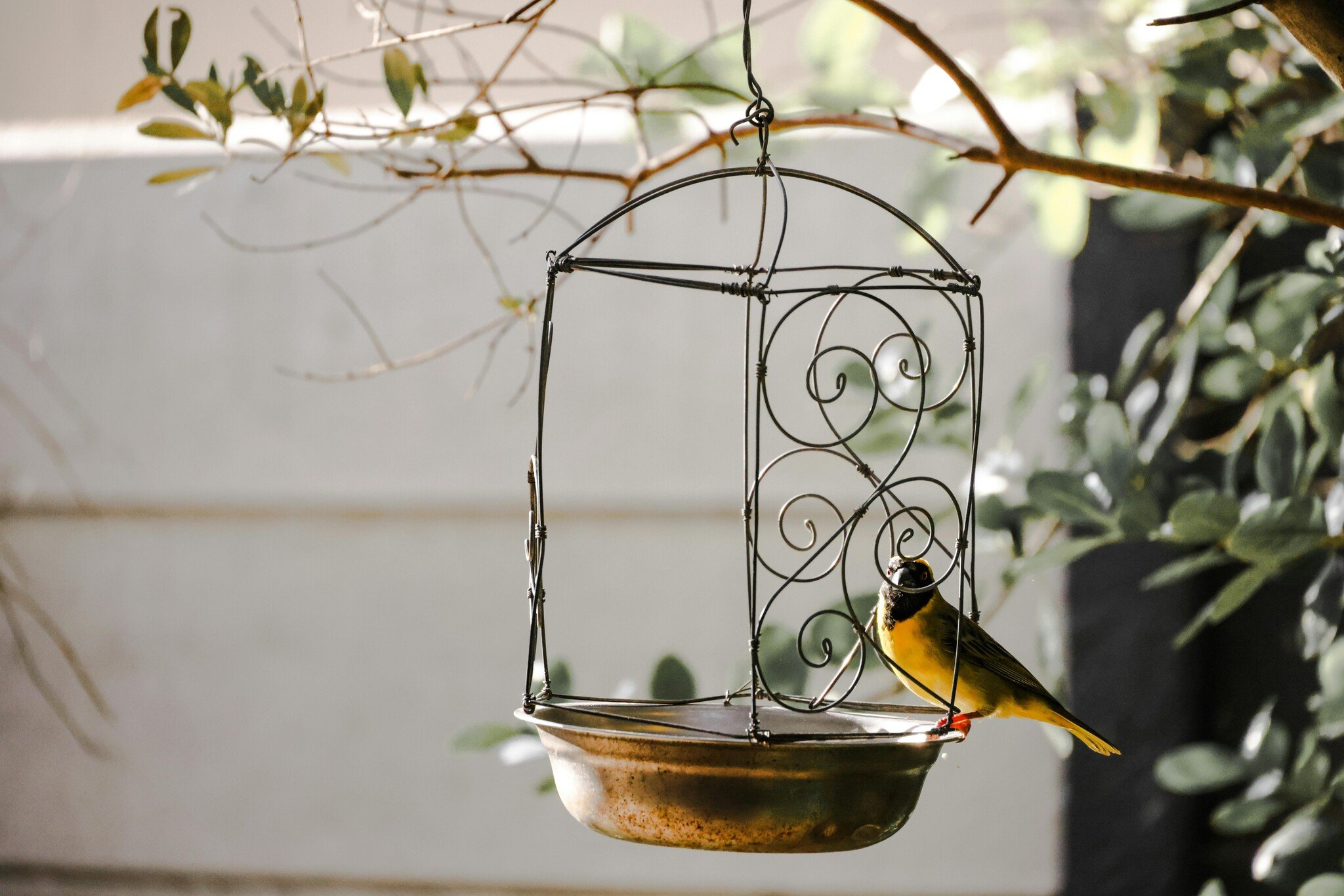
Why a bird-friendly garden is more than "putting out a feeder"
A true bird friendly garden is a small ecosystem: food, fresh water, safe cover, and (when possible) nesting sites. When those pieces work together, you'll notice more consistent visits, greater variety of species, and a more enjoyable bird watching garden—not just quick "grab-and-go" stops.
The good news: you don't need acreage or complicated landscaping to create a backyard bird habitat. With a few well-chosen bird feeders, one or two well-placed bird houses, and thoughtfully selected yard decor, you can start attracting birds to yard spaces of almost any size—patios, suburban lawns, cottage gardens, and even townhouse courtyards.
Start with the basics: what birds need (and what they avoid)
Food sources (and variety)
Different birds prefer different food types and feeder styles. If you only offer one seed blend in one feeder, you'll mostly attract the species that can use that exact setup. Variety increases the chance of variety.
• Seed eaters (finches, chickadees, cardinals): sunflower seed, safflower, quality blends with minimal filler
• Ground feeders (doves, juncos): spilled seed, millet in moderation, open tray areas
• Nectar feeders (hummingbirds): sugar-water in safe, easy-to-clean hummingbird feeders
• Insect-focused birds (wrens, swallows, bluebirds): benefit most from native plants and pesticide-free yards
Water (often the biggest "multiplier")
If you want fast results, add water. Birds use water for drinking and bathing, and many will visit a yard just for a reliable, clean source. In hot weather and during migration, water can be even more attractive than food.
Cover and safety
Birds love quick access to shelter—shrubs, small trees, and even tall grasses—because it lets them retreat if a hawk passes or a neighborhood cat appears. A feeder placed in the middle of a wide-open yard can feel risky. The goal is to provide nearby cover without giving predators an easy hiding place right under the feeder.
Nesting opportunities (where appropriate)
Bird houses can help cavity-nesting species, but they don't automatically guarantee babies. Placement, correct hole size, seasonal timing, and predator protection matter. Some birds simply won't use houses in certain neighborhoods, and that's okay—your garden can still be an excellent habitat.
Choosing bird feeders: what to buy and why it matters
Shopping for the best bird feeders can get overwhelming because "cute" doesn't always mean "effective." For a feeder to perform well, it needs to be easy to fill, easy to clean, and appropriate for the birds you want to see.
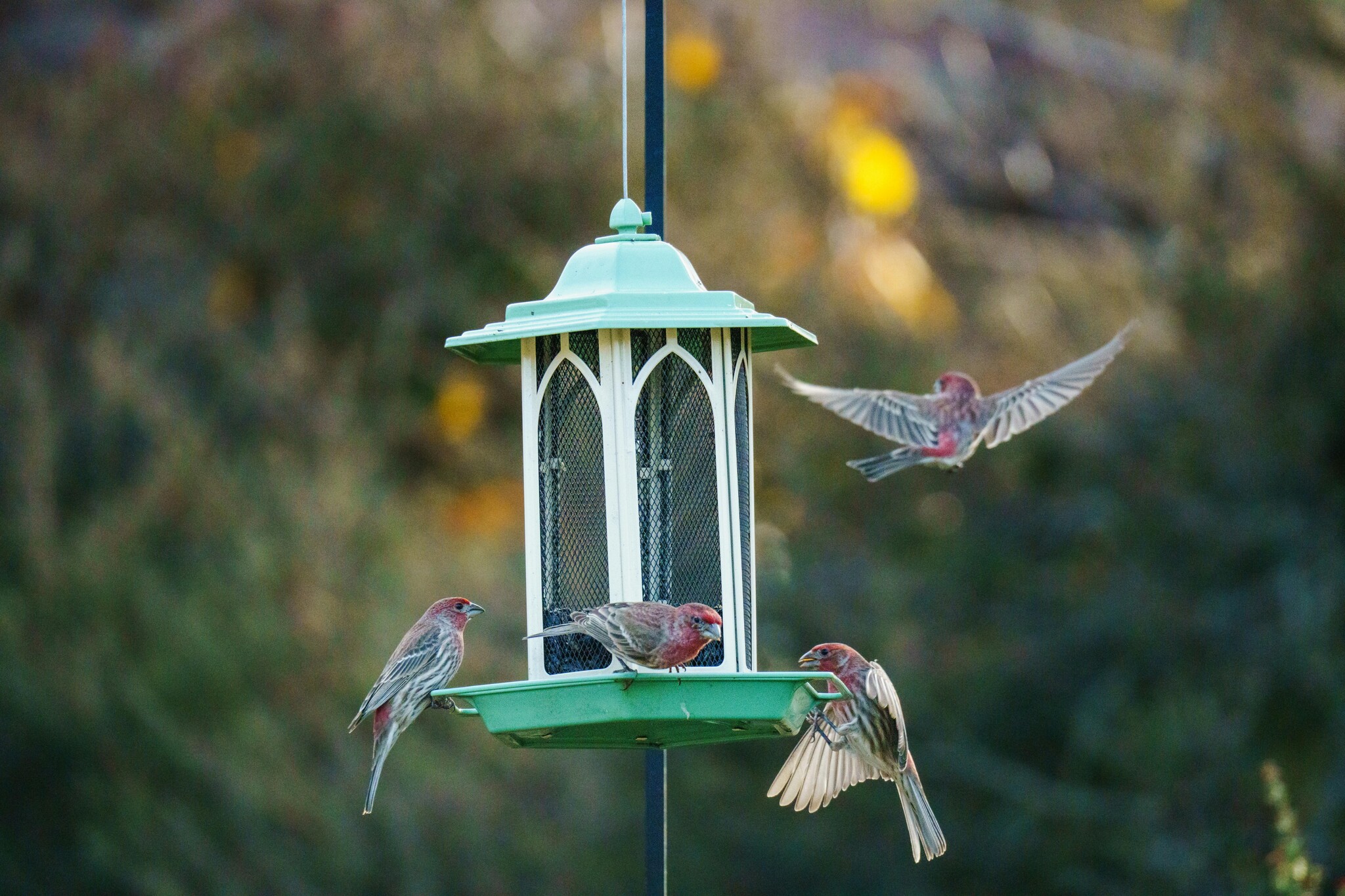
1) Hopper and house-style feeders (great for everyday songbirds)
Hopper-style feeders hold a good amount of seed and attract a broad mix of birds. They're also a natural fit for gardens where decor matters, because they can look like small architectural accents.
If you like a clean, modern look that still feels warm and natural, consider the Small Modern Wood Bird Feeder (3-Styles). It's a good option for a decorative-yet-functional setup, especially near patios where you want a tidy silhouette.
• Best for: cardinals, chickadees, titmice, finches, nuthatches
• Pros: capacity, broad appeal, visually pleasing
• Watch for: seed staying dry; clean-out access
2) Decorative bird feeders that still earn their spot
It's possible to have a feeder that looks like yard decor and still feeds birds effectively. The key is making sure it's not overly hard to clean and that it protects seed from prolonged dampness.
For a color-forward accent, the Mosaic Glass Birdfeeder (4-Colors) can add sparkle in a garden bed or near outdoor seating—especially in morning or late-afternoon light. It's an easy way to incorporate decorative bird feeders into your overall styling without sacrificing the joy of regular bird activity.
• Best for: general seed-eaters depending on perch style and seed choice
• Pros: strong visual impact; doubles as decor
• Watch for: place where you can monitor cleanliness and refill comfortably
3) Hummingbird feeders: pick the one you'll actually keep clean
Hummingbirds are often the "gateway" to building a bird garden. They're bold, consistent, and fun to watch from a window or porch. But nectar feeders require the most consistent maintenance—so choosing a design you'll enjoy using matters.
Two solid options to consider:
• Hummerfest Hummingbird Feeder (2 Sizes) for a classic feeder setup that can suit different yard sizes.
• Hummingbird Flower Feeder if you want a floral look that blends into garden plantings and adds a decorative note.
Nectar recipe: Use plain white granulated sugar and water only (mix 1 part sugar to 4 parts water). Heat water to dissolve if you prefer, then cool fully before filling. Avoid red dye. Many feeders already include red accents that attract hummingbirds.
Cleaning schedule: In hot weather, plan to clean and refill every 2–3 days (more often if the feeder is in full sun). In cooler weather, every 4–7 days can work. If nectar looks cloudy, dump it and clean immediately.
4) Tray feeders and "mess management"
Tray feeders can bring in ground feeders and birds that prefer open access. They can also increase seed debris. If your goal is a neat patio or curated garden look, place tray feeders farther from main seating and add a simple "clean zone" plan (more on that below).
Where to put feeders for more birds (and better viewing)
Feeder placement is one of the most overlooked bird garden ideas, and it affects everything: how safe birds feel, how often you'll see them, and how easy it is to keep things clean.
A practical placement checklist
• Visibility for you: Place feeders where you'll actually look—near a kitchen window, reading chair, or patio table.
• Safety for birds: Put feeders within 10–15 feet of cover (shrubs or small trees), but not so close that cats can hide beneath them.
• Reduce window strikes: If a feeder is near glass, place it very close (within about 3 feet) or farther away (30+ feet). Close placement can reduce impact speed if a bird bumps the window.
• Sun and shade balance: Some shade helps seed and nectar last longer. Full sun can speed spoilage, especially for nectar.
• Wind considerations: Avoid the windiest corner of the yard where seed gets wet or blown out.
Create "stations" instead of a single cluster
One crowded feeder can lead to bullying and fewer species. A better approach for attracting birds to yard spaces is to create two or three small stations:
• Songbird station: hopper/house feeder + (optional) suet in winter
• Hummingbird station: nectar feeder near flowers and a viewing spot
• Water station: bird bath or shallow basin, ideally with gentle movement
Spacing stations out reduces competition and gives you multiple viewing angles—great for a true bird watching garden.
Bird houses: how to choose, place, and style them
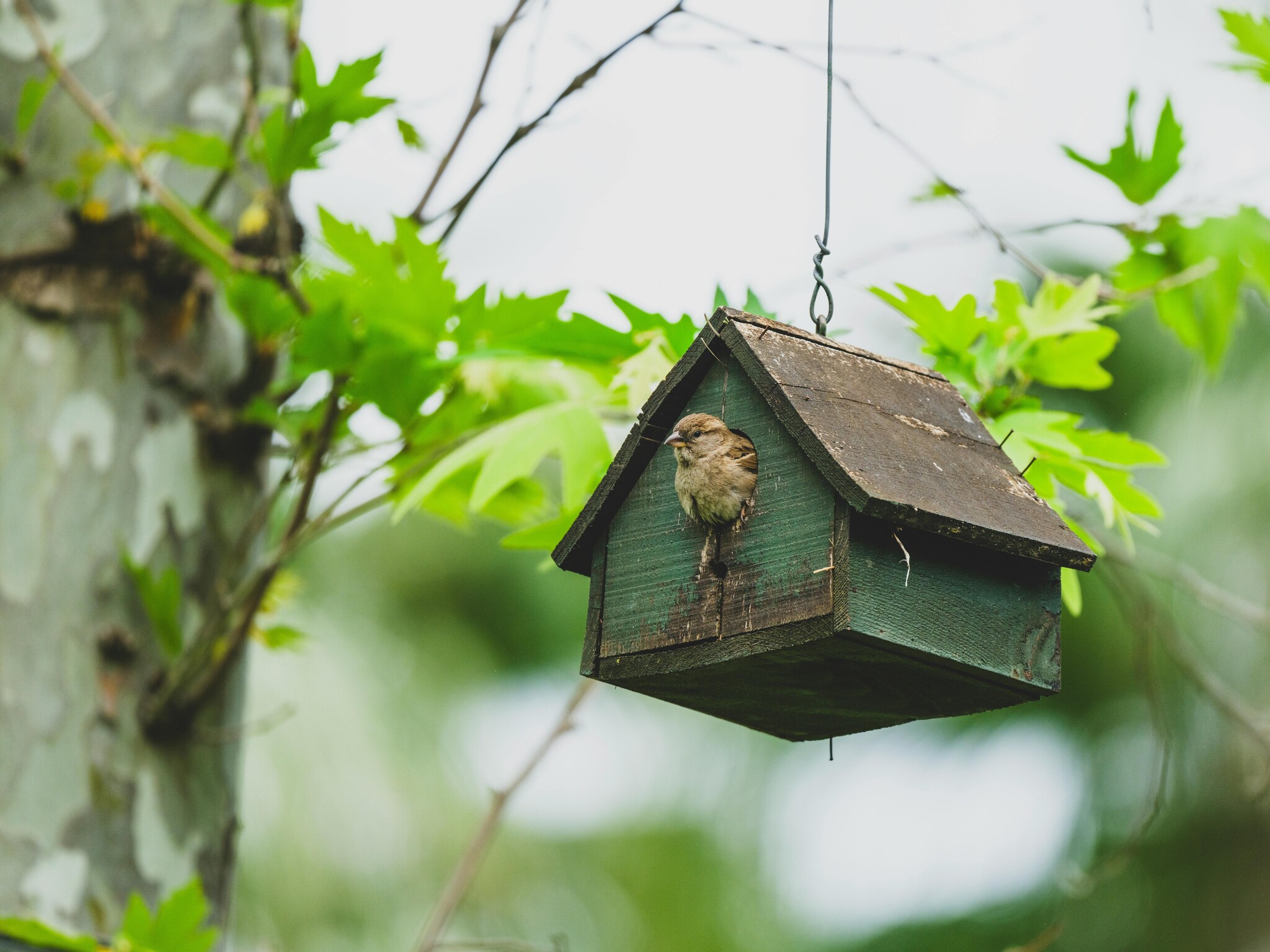
Bird houses add charm to a garden, but to be truly helpful they must match the needs of cavity-nesting birds. If your goal is both function and style, you can absolutely do both—just treat decorative houses as decor unless they meet key specs (ventilation, drainage, clean-out access, correct hole size).
What to look for in a functional bird house
• Drainage holes to prevent damp nests
• Ventilation near the top for summer heat
• Clean-out access for end-of-season maintenance
• Correct entrance hole size for the species you want to support
• Untreated or bird-safe materials (avoid strong chemical smells or fresh paint inside)
Placement basics (so birds actually use them)
• Height: Many common backyard species prefer houses 5–12 feet high; some species require higher placement.
• Direction: Face the entrance away from prevailing wind and harsh afternoon sun when possible.
• Spacing: Don't place multiple houses too close together unless the species tolerates it.
• Predator protection: Use baffles if mounting on poles; avoid locations that allow easy access for cats or raccoons.
Decor-forward birdhouses that elevate your garden style
If you want birdhouse charm as part of your garden vignette, there are options that look beautiful tucked among planters, hung on a shepherd's hook, or displayed on a sheltered porch wall.
• Small Supermoss Birdhouse (4-Styles) works well for adding natural texture to a planting bed or container cluster.
• Whitewashed Wooden Birdhouse pairs nicely with cottage, coastal, and farmhouse garden palettes.
If you're using a birdhouse primarily as decor, place it where it looks intentional and won't confuse birds during nesting season. If you want it to function as housing, prioritize the checklist above and consider placing it a bit farther from high-traffic human areas.
Water features birds love: bird baths and simple upgrades
Clean water is one of the fastest ways to make your yard feel like a reliable backyard bird habitat. Birds will often return daily once they learn they can count on your water source.
Choosing a bird bath
Look for a basin that's easy to clean and stable enough not to tip. A textured surface helps birds grip. Many birds prefer shallow water (1–2 inches), or a deeper basin with stones added to create shallow edges.
A classic, elevated option like the Metal Bird Bath w/ Stand (2-Styles) can serve as both a focal point and a functional stop for birds, especially when placed near shrubs for quick shelter.
Make water more attractive with movement
Birds notice sound and sparkle. If you can add gentle movement—like a small dripper, bubbler, or even the trickle of a hose for a few minutes—you'll usually see more visitors. Movement can also help reduce mosquito breeding.
Cleaning and safety
• Refresh often: Daily is ideal in hot months; every few days at minimum.
• Scrub weekly: Use a stiff brush. Skip harsh chemicals. If needed, a mild vinegar-water solution can help with grime (rinse thoroughly).
• Winter note: In cold climates, consider a heater designed for bird baths so birds have access when natural water sources freeze.
Yard decor that supports birds (without turning your yard into a theme park)
Decor can do more than look pretty. It can help define "zones," offer perching spots, and make your garden feel finished. The trick is to choose pieces that complement nature rather than overpower it.
Use stakes and vertical elements to create structure
Vertical decor helps you build a layered look—especially in smaller yards—while giving birds perches and creating visual boundaries between feeding and lounging areas.
• Tall Metal Birdhouse Stake (2-Styles) adds height and a playful focal point in beds where you want a little whimsy.
• Copper Finish Powder Coated Iron Birdhouse Stake (6-Styles) can warm up garden tones and pair nicely with natural stone, mulch, and greenery.
Add sound carefully
Some birds aren't bothered by gentle, occasional sound, while others may be more cautious. If you love wind chimes, place them near seating areas rather than right beside feeders or nesting zones.
The Butterfly Garden Wind Chime can be a sweet finishing touch for a pollinator-and-bird garden theme, especially when positioned so it doesn't clang constantly in heavy wind.
Decor rules of thumb for a bird-friendly look
• Choose a cohesive material palette: wood + metal + glass can look curated if you repeat each element.
• Keep sightlines open: Too many tall items near feeders can make birds nervous.
• Prioritize easy maintenance: Anything near seed or water should be simple to wipe down.
Planting for birds: the "free food" that makes everything work better
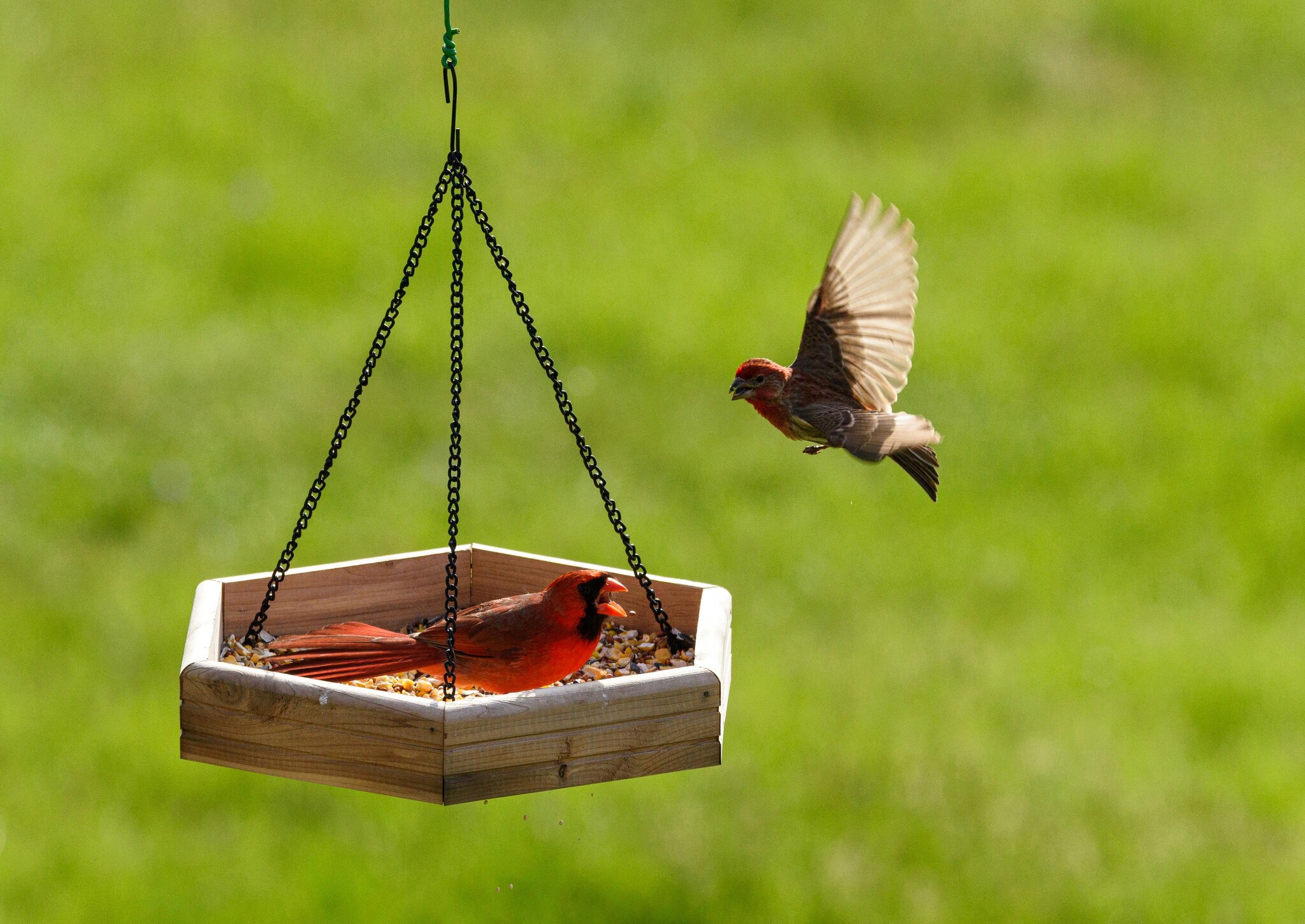
If feeders are the quick win, plants are the long game. Adding the right plants reduces your dependence on constant refilling and creates a more resilient bird friendly garden.
Focus on three plant jobs
• Shelter: evergreen shrubs, dense native bushes, ornamental grasses left standing through winter
• Natural food: seed heads, berries, and nectar flowers
• Insects: native plants support caterpillars and insects that many birds need, especially when feeding young
Easy bird garden ideas using common plant types
• Berry producers: plant one or two shrubs that hold berries into fall and winter
• Seed heads: leave some coneflowers, black-eyed Susans, and ornamental grasses uncut until spring
• Tubular blooms: include a cluster of nectar-rich flowers near your hummingbird feeders to encourage lingering visits
If you prefer a tidy look, you can still support birds: simply dedicate one "wild corner" or back border where seed heads remain and leaf litter is lightly managed.
Seasonal strategy: what to offer and when
Bird needs shift with temperature, migration, and nesting. A seasonal plan keeps your backyard bird habitat reliable and helps you spend smarter on food and supplies.
Spring
• Goal: support nesting and early migrants
• Offer: quality seed; fresh water; nectar for early hummingbirds
• Tip: avoid heavy yard chemical use—spring insects are essential bird food
Summer
• Goal: hydration and shade
• Offer: extra water sources; nectar refreshed frequently
• Tip: keep feeders clean to prevent mold and illness
Fall
• Goal: fuel migration and prepare for cold
• Offer: consistent seed; consider higher-energy options
• Tip: refresh decor and add structure—stakes, birdhouse accents, and focal points look especially good in fall beds
Winter
• Goal: reliable calories and accessible water
• Offer: sunflower seed; protected feeding areas; unfrozen water if possible
• Tip: keep a small shovel path so you can refill without slipping or compacting planting beds
Keeping it healthy: cleaning, food quality, and common problems
A busy feeder is fun—until you realize it's also a gathering place. Cleanliness and good food reduce the risk of disease and keep birds returning.
Feeder cleaning routine (realistic and effective)
• Every refill: dump old seed hulls; wipe visible grime; check for clumps or moisture
• Every 1–2 weeks: wash feeders with warm soapy water; rinse and dry fully
• After rain: check for wet seed; remove anything damp or moldy immediately
For hummingbird feeders, clean more often as noted earlier—especially in warm weather.
Choose better seed (it matters)
Inexpensive blends often include fillers many birds toss out (like red millet in some regions). That creates more mess under your feeder and can attract unwanted guests. Higher-quality seed may cost more upfront but often results in less waste and more bird activity.
How to handle squirrels and "feeder bullies"
• Move feeders: keep them away from launch points like fences and low branches
• Use placement as a tool: separate stations so aggressive species can't guard everything
• Keep the ground tidy: less spilled seed means fewer rodents and less lingering
If you love the look of open, decorative feeders, consider pairing them with a second feeder type placed a bit farther away, so birds have options if one spot becomes crowded.
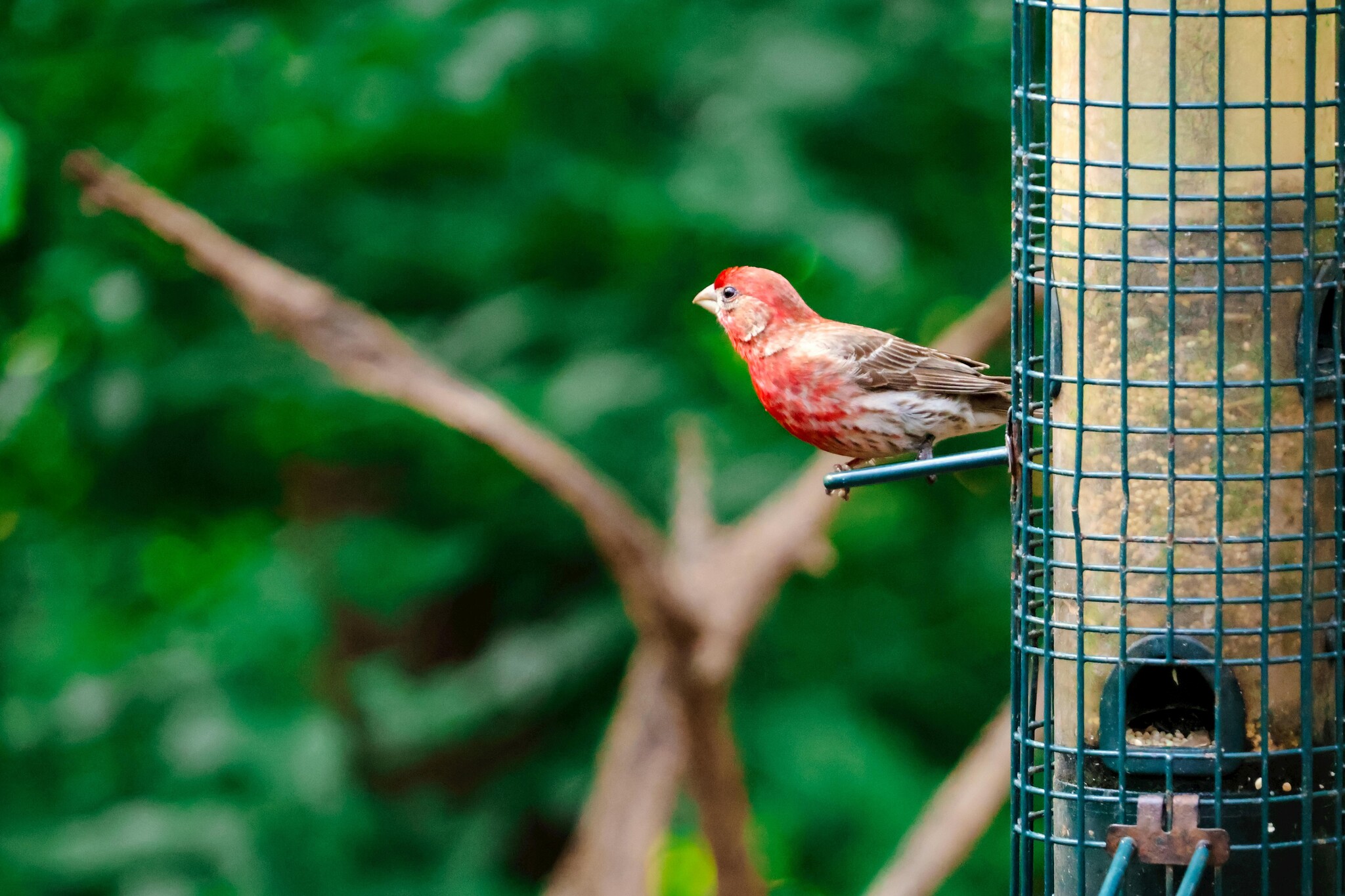
Designing a beautiful bird watching garden: layout ideas that feel intentional
Many people want birds, but they also want a yard that looks styled. You can absolutely have both. Think like a designer: create focal points, repeat materials, and make "rooms" in the landscape.
Bird garden layout idea: the "window-view triangle"
• Point 1: a primary feeder you can see easily from indoors
• Point 2: a bird bath as a focal point in a bed or lawn edge
• Point 3: a hummingbird feeder near flowers and a comfortable outdoor seat
This creates movement and interest for you, while giving birds multiple safe options. Add one decorative stake to anchor each point visually, and your yard will look planned rather than "random items placed where there was space."
Bird garden layout idea: the "decor-first patio border"
• Place a decorative bird feeder near the patio edge for close viewing.
• Add a second feeding station farther out to reduce crowding.
• Use one tall stake element to add height and tie the look together.
This approach is especially effective for smaller yards where you want birds close, but not so close that seed mess affects your main seating area.
Product picking guide: match the feeder or decor to your goal
If you're deciding what to buy first, use your goal as the filter. The "best" choice depends on what you want to see and how you want your garden to feel.
If you want more everyday backyard birds
• Start with: a versatile seed feeder + water
• Consider: Small Modern Wood Bird Feeder (3-Styles)
• Add next: a bird bath like Metal Bird Bath w/ Stand
If you want hummingbirds (and you want them close)
• Start with: one easy-to-monitor nectar feeder near a viewing spot
• Consider: Hummerfest Hummingbird Feeder or the Hummingbird Flower Feeder
• Add next: tubular flowers and a second water source
If you want a curated, decorative garden that still functions for birds
• Start with: one standout feeder that doubles as decor
• Consider: Mosaic Glass Birdfeeder (4-Colors)
• Add next: a vertical accent like Copper Finish Powder Coated Iron Birdhouse Stake and a bird bath focal point
If you're building a "garden vignette" with birdhouse charm
• Start with: one decorative birdhouse placed intentionally in a bed or container cluster
• Consider: Whitewashed Wooden Birdhouse or Small Supermoss Birdhouse
• Add next: keep functional feeding/water nearby, but not directly under heavy decor
Common mistakes to avoid (so you get results faster)
• Putting everything in one spot: stations work better than a single crowded corner.
• Neglecting water: a feeder-only yard often attracts fewer species than a yard with water.
• Using dyed nectar or honey: stick to simple sugar water for hummingbirds.
• Letting seed get wet: wet seed can mold quickly; check after storms.
• Over-decorating the feeding zone: too many moving or shiny objects right beside feeders can make birds skittish.
A simple 7-day plan to launch your backyard bird habitat
If you want a clear starting point, here's a practical one-week approach that balances shopping decisions, setup, and good bird care.
• Day 1: Choose your main viewing window or seating area; sketch a simple layout (feeder, water, cover).
• Day 2: Install your first feeder and place it with safety and window considerations in mind.
• Day 3: Add a bird bath; place it where you can easily refresh water.
• Day 4: Add a second station (hummingbird feeder or a second seed feeder) to reduce crowding.
• Day 5: Add one vertical decor element (stake or birdhouse accent) to "finish" the look.
• Day 6: Clean up the ground beneath feeders; decide if you want a mulch or gravel "clean zone."
• Day 7: Observe what shows up, then adjust: slightly shift placement, add cover plants, or change seed type.
Bring it all together: a garden birds will return to
The most successful bird friendly garden is the one that stays consistent: clean food, fresh water, safe placement, and a bit of shelter. Add in a few design-forward touches—like a decorative feeder, a well-placed bird bath, and a vertical stake—and your yard becomes both a welcoming backyard bird habitat and a beautiful extension of your home.
Once your stations are established, you'll find that attracting birds to yard spaces becomes less about constant effort and more about small, satisfying routines—refilling, refreshing water, and enjoying the daily activity that turns an ordinary view into a true bird watching garden.
Comments
Be the first to comment...