How to Choose Metal Wind Spinners: Size, Style & Placement
- Posted on
- 0
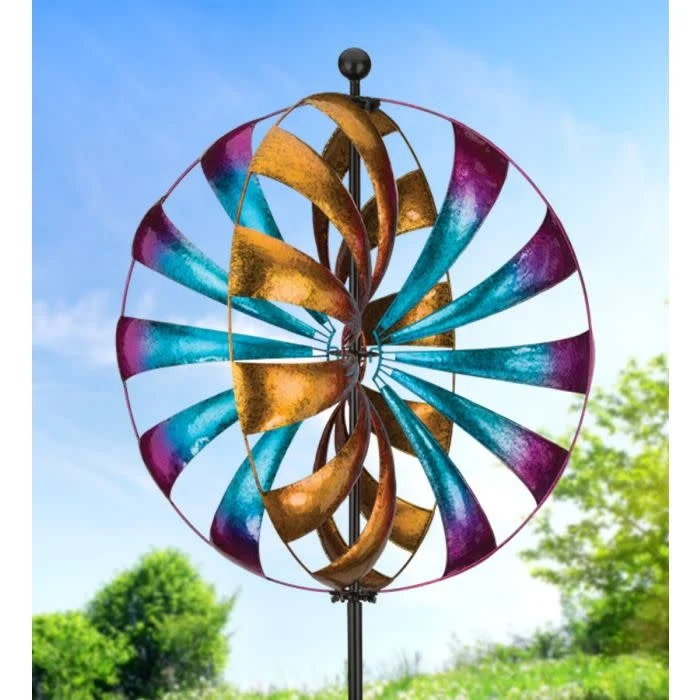

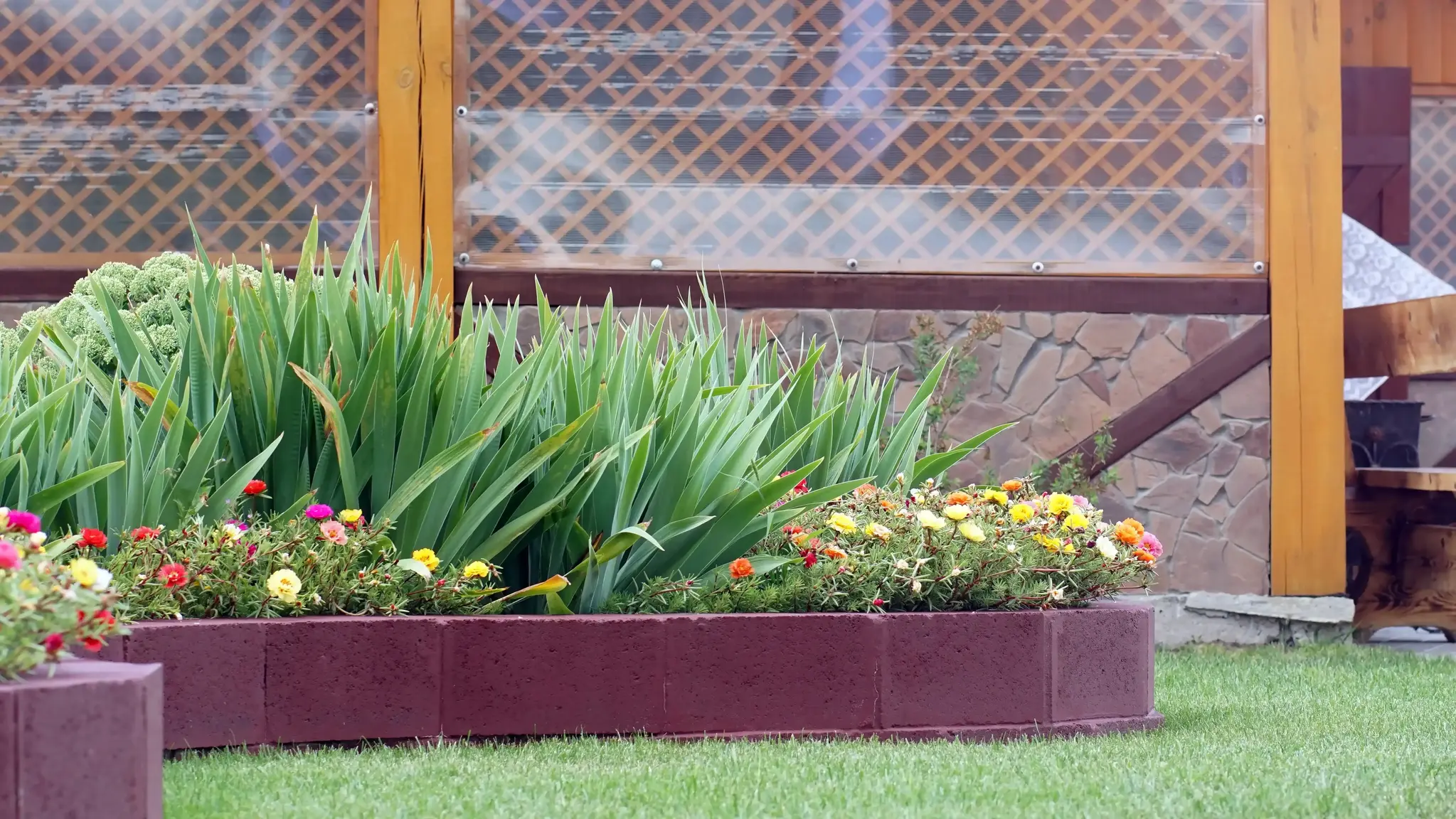
Your flower beds are thriving. The lawn looks good. But something about the yard still feels flat, like a room that's missing art on the walls.
That's usually where garden stakes come in. They're one of the most underused tools in outdoor decorating: small in footprint, high in personality, and able to pull a whole yard together in a way that plants alone can't. A well-placed metal art pole captures the viewer's attention. A cluster of bird stakes near a feeder gives the corner of your garden a story. Solar stakes make a pathway feel intentional after dark.
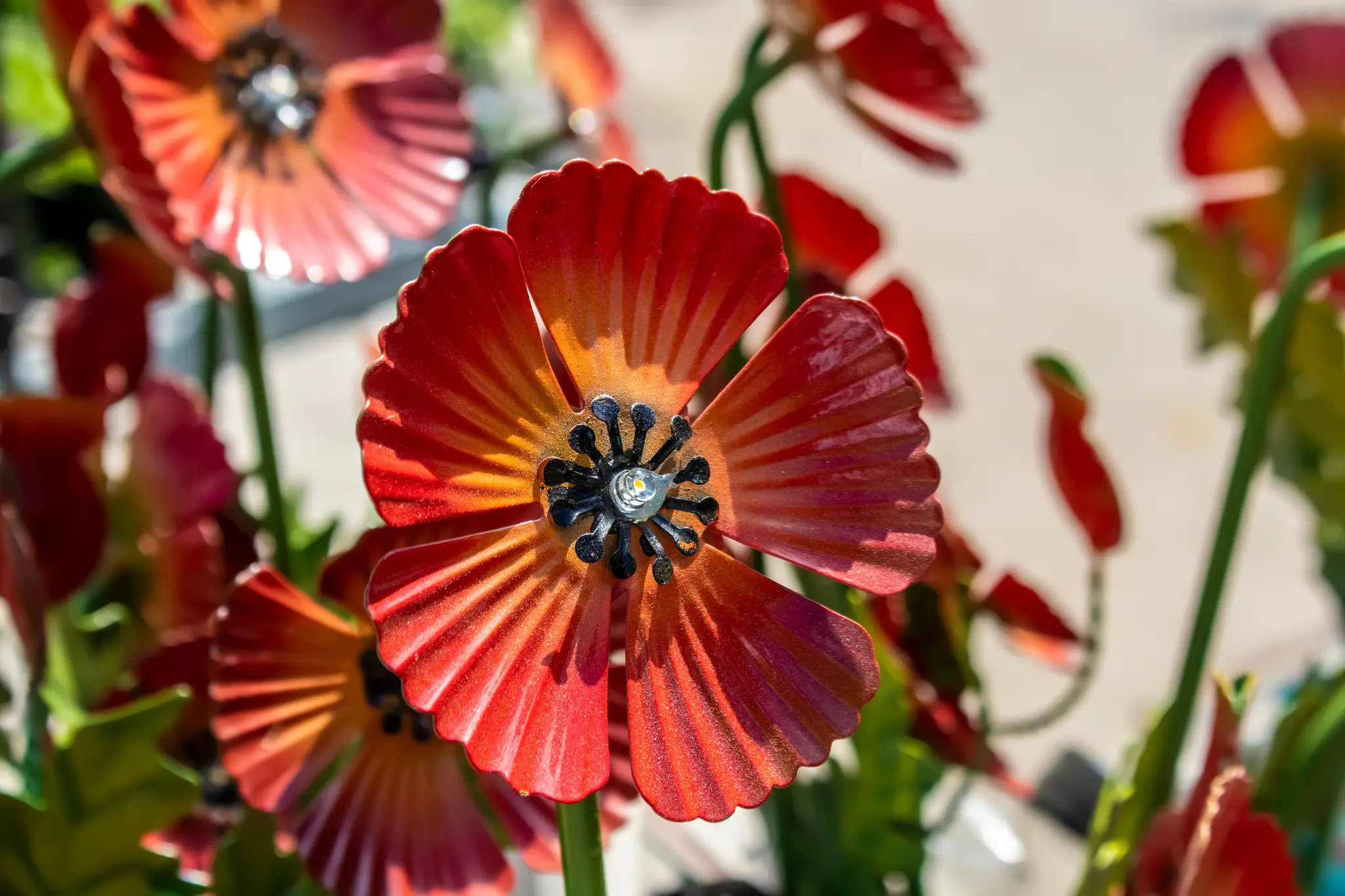
Both garden stakes and garden flags do the same basic thing: they give your yard a personality outside of what your plants alone can provide. But they do it differently — and knowing which one suits your situation makes the difference between a yard that looks put together and one that just has stuff in it.
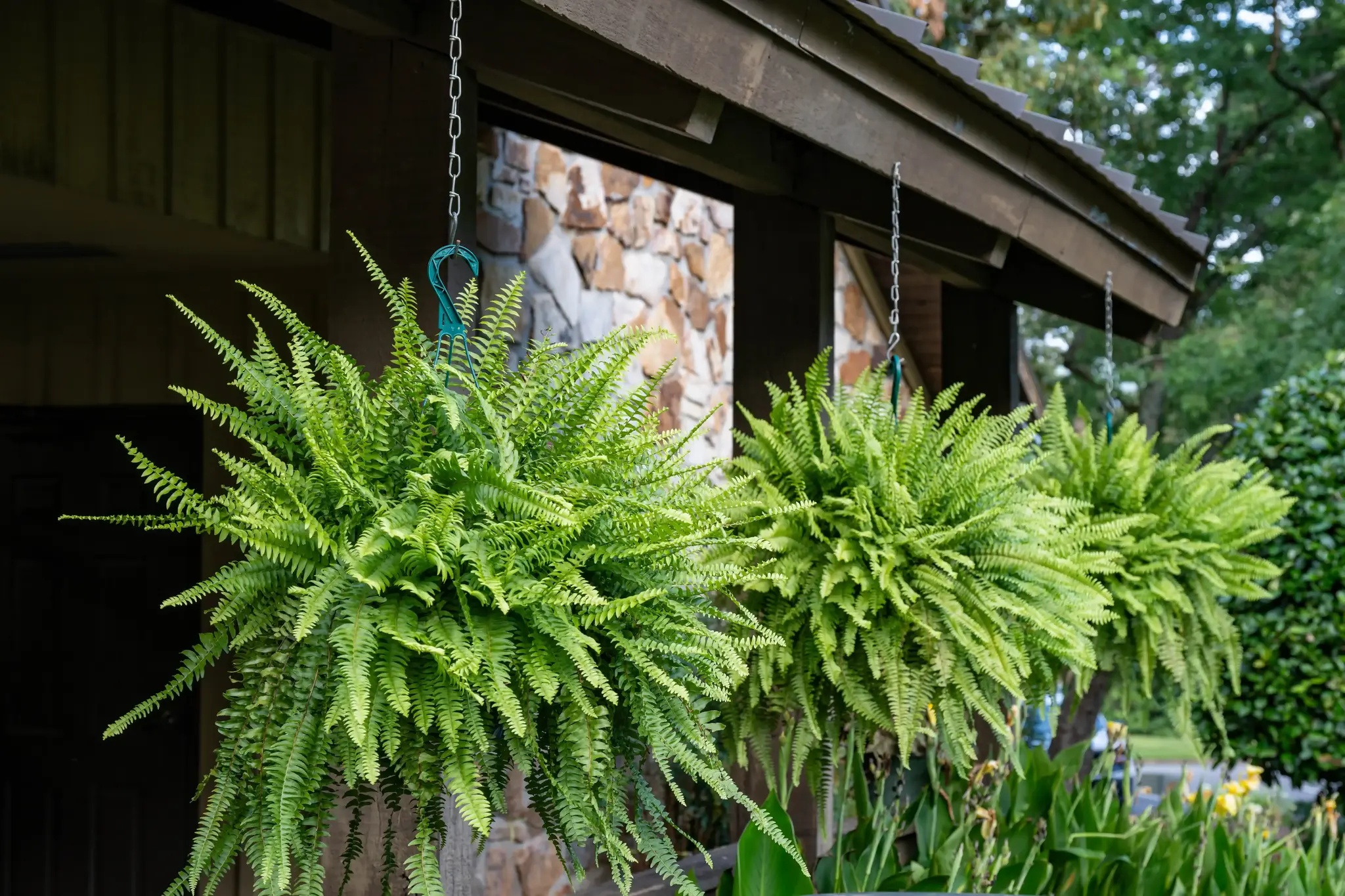
Real ferns on a front porch look beautiful, for about two weeks. Then comes the drooping, the browning, the daily watering guilt. If you've killed enough of them, you already know the fix: artificial ferns that are actually built for the outdoors.
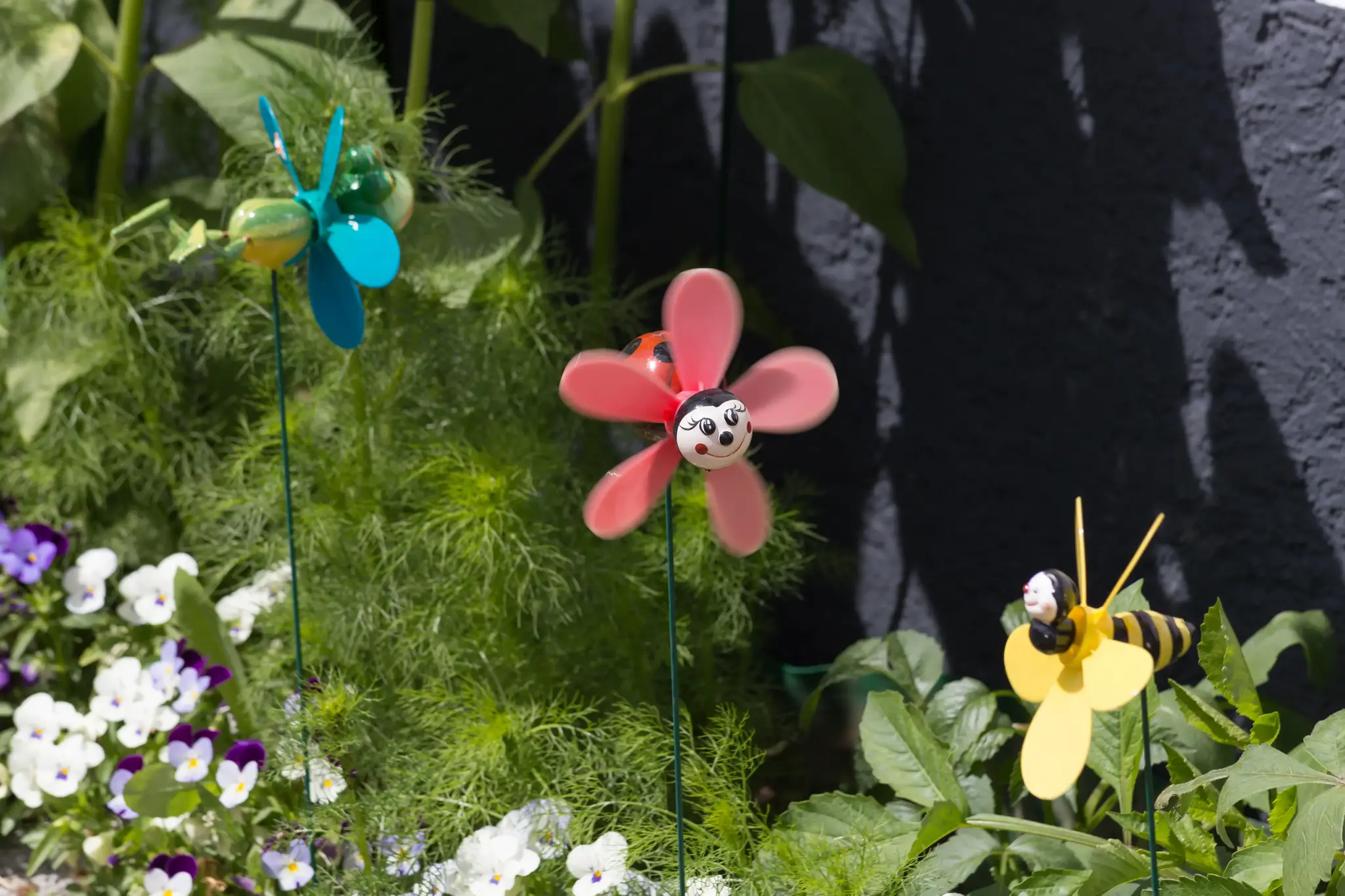
Most front yards have the same problem: they look great in June, when everything is blooming, and a bit forgotten the rest of the year.
Decorative garden stakes are one of the cheapest, most flexible fixes for this. Unlike plants, you can swap them out in twenty minutes. Unlike flags or wreaths, they work directly in your beds rather than on structures. And unlike big-ticket hardscape changes, they're reversible, if a placement doesn't work, you pull it out and try somewhere else.