
Hydrangea Color Guide: Decorating with White, Blue, and Pink Silk Hydrangeas
- Posted on
- 0
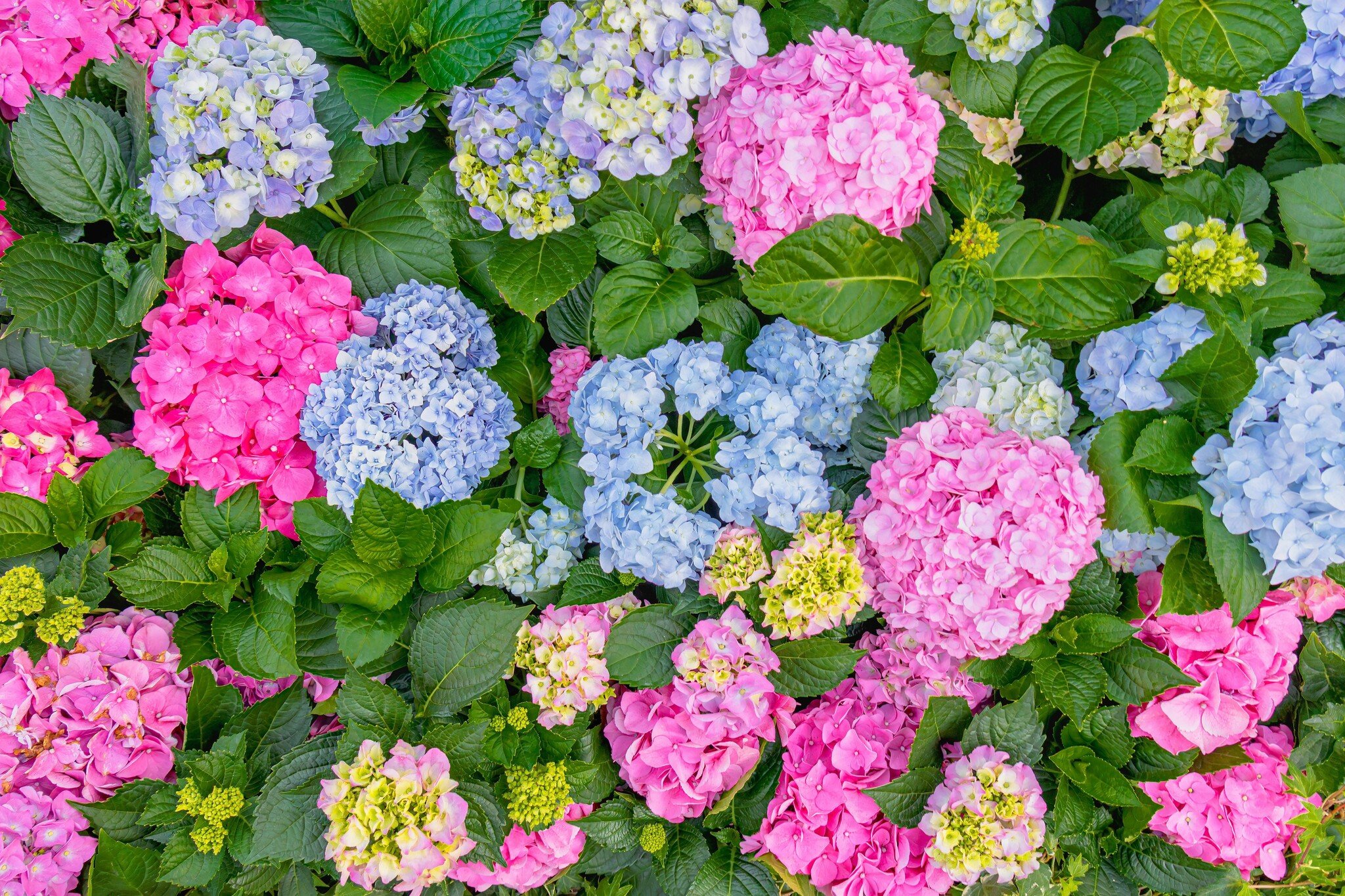
Why hydrangea color matters in home decor
Hydrangeas are one of those rare flowers that can read classic, coastal, romantic, modern, or holiday-ready—depending almost entirely on color. When you’re decorating with hydrangeas, the shade you choose influences everything: how bright the room feels, whether your arrangement looks airy or dramatic, and even how “fresh-picked” your florals read from across the room.
That’s why a hydrangea color guide is so useful—especially when you’re investing in silk hydrangeas or faux hydrangeas you’ll reuse again and again. With high-quality artificial hydrangeas, you can build a collection in the core colors (white, blue, and pink) and swap them seasonally without worrying about wilting, shedding, or water damage on furniture.
This guide breaks down how to choose between white hydrangeas, blue hydrangeas, and pink hydrangeas, what each color communicates in a space, and practical ways to style them so your silk hydrangeas that look real truly do.
What makes silk hydrangeas look real (and why color is part of it)
Realism isn’t just about having a pretty bloom shape. The most believable hydrangea decor usually combines a few details that mimic what you’d see in a freshly cut stem:
• Petal variation: Real hydrangeas have subtle shifts—slightly deeper color in the center, paler edges, and occasional freckles or veining.
• Soft sheen (not shine): Overly glossy petals can look plastic. A soft, velvety finish reads more natural.
• Natural stems and branching: A realistic stem has color variation and a little irregularity, not a single flat green.
• Scale: Hydrangea heads are generous. A bloom that’s too small can look like a “craft flower” rather than a true hydrangea.
• Color temperature: The undertone matters. A cool white differs from a creamy white; a true blue differs from periwinkle or dusty blue.
If you’re shopping for artificial hydrangeas to use as “anchor florals” in arrangements, consider keeping at least one neutral (white) plus one color you love (blue or pink). This gives you flexibility across seasons and room styles.

White hydrangeas: the most versatile choice
White hydrangeas are the ultimate styling tool. They brighten darker corners, soften bold patterns, and blend into nearly any palette without competing. In many homes, white florals function like a neutral pillow or a great rug: they make everything around them look more pulled together.
What white hydrangeas communicate
• Clean and classic: Crisp white reads as timeless—perfect for traditional spaces and modern minimal rooms alike.
• Airy and elevated: White hydrangeas naturally create a “full arrangement” look with minimal stems.
• Event-ready: White hydrangeas feel bridal and special, even in everyday styling.
Where white silk hydrangeas work best
• Entry tables and consoles: White makes a strong first impression without overwhelming the space.
• Kitchens: Especially pretty against warm wood, marble, or white cabinets—fresh and uncluttered.
• Bathrooms: White hydrangeas mimic the calm of spa decor and handle humidity better than fresh blooms.
• Fireplace mantels: Great for layering with greenery, candles, and seasonal accents.
How to style white hydrangeas so they don’t feel flat
Because white is subtle, the goal is to create dimension through texture and shape.
• Mix whites with greens: Add eucalyptus, soft ferns, or olive stems for contrast.
• Use a vase with character: White hydrangeas look high-end in textured ceramic, woven, stoneware, or aged metal.
• Choose multiple bloom sizes: Layering different hydrangea head sizes keeps arrangements from looking “one-note.”
• Add a touch of warmth: If your room feels cool, add cream-toned accents or a warm neutral bow/ribbon (if your style leans that way).
White hydrangea product picks
If you want a premium base floral that’s easy to style, look for realistic petals and a natural stem feel:
• Natural Touch Garden Hydrangea (6 Colors) for a lush, realistic bloom that styles beautifully in everyday arrangements.
• Natural Touch Grand Hydrangea (2 Colors) when you want a larger statement head—especially impactful in taller vases.
• Natural Touch 14" Hydrangea Spray (4 Colors) for tighter spaces, low bowls, or adding volume without a tall stem.
Blue hydrangeas: coastal calm and confident color
Blue hydrangeas bring instant mood. Depending on the shade of blue and what you pair it with, they can feel coastal and relaxed, tailored and traditional, or even dramatic. If white is the universal neutral, blue is the color that looks intentional—like you designed the room around it.
What blue hydrangeas communicate
• Calm and refined: Blue is naturally soothing, which is why it’s so popular in bedrooms and living spaces.
• Coastal and airy: Paired with white and natural textures, blue leans beach house without feeling themed.
• Classic contrast: Blue looks crisp against white trim, light walls, and warm wood floors.
Best color pairings for blue hydrangeas
• Blue + white: Clean and high-contrast; great for kitchens, sunrooms, and traditional dining spaces.
• Blue + soft green: Natural and organic; perfect for everyday arrangements.
• Blue + blush: Unexpected and lovely; ideal for spring and summer vignettes.
• Blue + gold/brass: Looks more elevated and “designed,” especially in formal areas.
Where blue silk hydrangeas shine
• Living rooms: Blue hydrangeas look great next to neutral upholstery; cream, oatmeal, gray, or leather.
• Dining tables: A blue centerpiece adds color without blocking sightlines if you keep the height moderate.
• Bedrooms: Blue reads restful; style on a dresser or nightstand with a simple vase.
• Summer porches (covered): Faux hydrangeas give you that seasonal freshness without heat stress.
How to make blue hydrangeas look natural (not overly saturated)
Blue can sometimes appear “too perfect” if the shade is intense and uniform. The most realistic look usually comes from gentle variation and thoughtful pairing.
• Blend tones: Mix two blue shades or add a few white hydrangea heads to break up solid color.
• Ground with greenery: Green stems add realism and keep blue from feeling like a single block of color.
• Choose the right vase: Clear glass emphasizes freshness; white ceramic feels clean; natural woven textures feel coastal.
Blue hydrangea product picks
• Natural Touch Garden Hydrangea (6 Colors) if you want a realistic “fresh-cut” look with a soft hand-feel.
• Rounded Petal Hydrangea (3 Colors) for a fuller, rounded silhouette that works well in classic arrangements.
• Mini Soft Touch Hydrangea (3-Colors) for bud vases, small shelves, and subtle pops of blue.
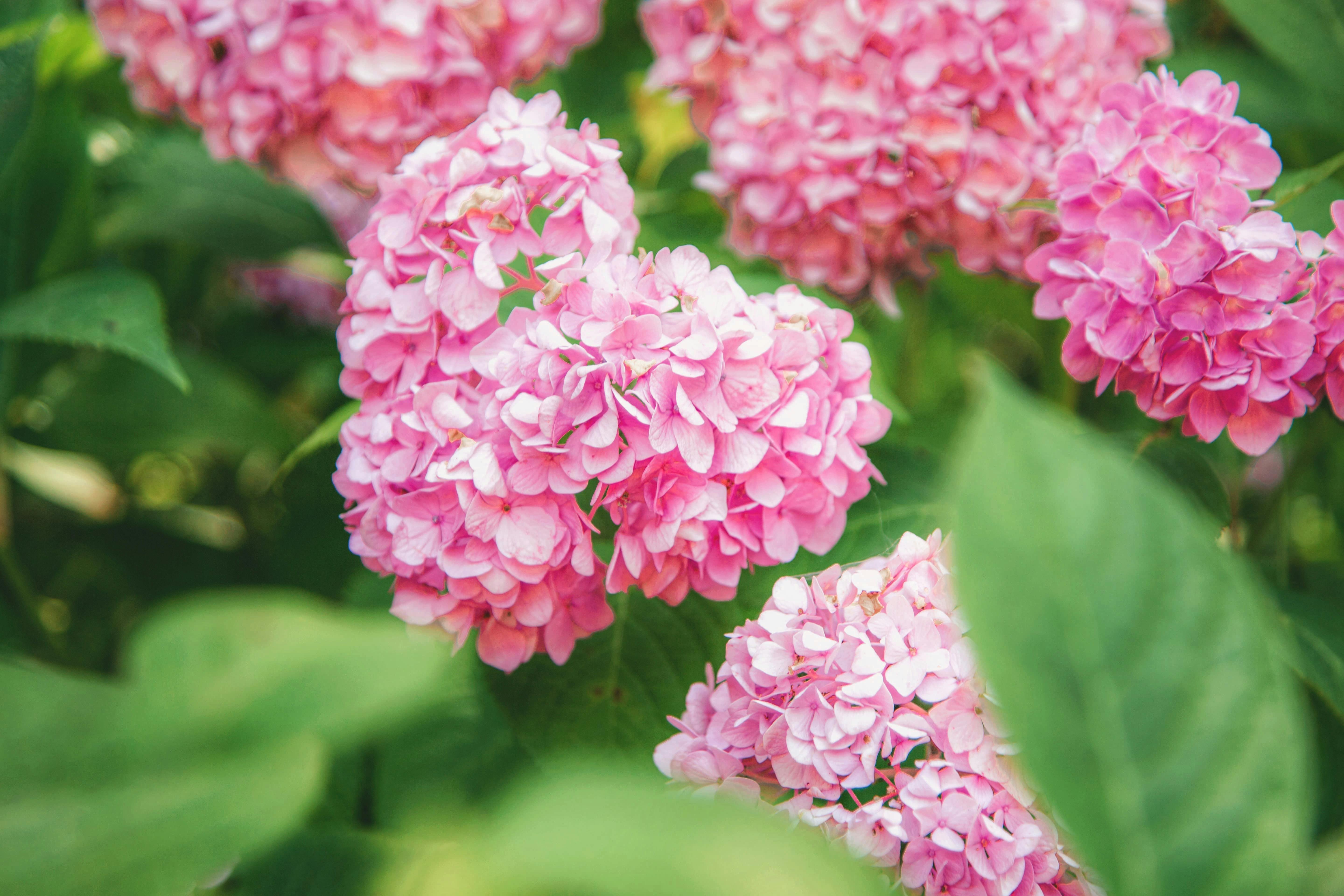
Pink hydrangeas: warm, welcoming, and surprisingly grown-up
Pink hydrangeas are often associated with spring, but they’re far more flexible than many people expect. Depending on the shade, pink can feel soft and romantic, fresh and cheerful, or warm and sophisticated. If your home leans neutral, pink is an easy way to add color without going bold.
What pink hydrangeas communicate
• Warmth and hospitality: Pink feels inviting—excellent for entryways and gathering spaces.
• Romance without fuss: Hydrangea petals naturally soften the look, so pink doesn’t have to feel “too sweet.”
• Seasonal joy: Pink transitions beautifully from spring into summer and even into early fall when paired with deeper tones.
Best color pairings for pink hydrangeas
• Pink + white: Fresh, clean, and classic.
• Pink + green: Garden-inspired and natural.
• Pink + navy: A more tailored, modern contrast.
• Pink + rust/caramel: Great for late summer and early fall styling.
Where pink silk hydrangeas work best
• Powder rooms and guest baths: Pink adds charm without needing extra decor.
• Home office: A small pink arrangement can warm up a work space and still feel polished.
• Bedroom styling: Pink hydrangeas are lovely on dressers, nightstands, and vanity trays.
• Spring entertaining: Perfect for brunch tables, buffet styling, and hostess gifts (pair with a vase).
How to keep pink hydrangeas from feeling overly “pastel”
• Add structure: Use a tailored vase shape (cylinder, square, or classic urn) rather than something overly frilly.
• Mix in neutrals: White and cream blooms balance pink for a more grown-up look.
• Use deeper greenery: Darker greens help pink look richer and more intentional.
Pink hydrangea product picks
• Natural Touch Garden Hydrangea (6 Colors) for a realistic bloom that looks right at home in everyday arrangements.
• Natural Touch 14" Hydrangea Spray (4 Colors) for compact styling—especially in low bowls or short vases.
• Mini Soft Touch Hydrangea (3-Colors) when you want subtle pink touches across a room (shelves, bedside, coffee bar).
How to choose between white, blue, and pink hydrangea colors
If you’re deciding which color to buy first, think in terms of your home’s fixed elements (floors, countertops, large furniture) and the vibe you want the arrangement to create.
• Choose white hydrangeas if you want maximum versatility, you decorate seasonally, or you want one arrangement that works almost anywhere.
• Choose blue hydrangeas if your home leans coastal, classic, or cool-toned—and you want a confident color statement that still feels calm.
• Choose pink hydrangeas if your home feels neutral or a bit stark and you want to add warmth, softness, and welcoming color.
Many decorators find the best “starter set” is mostly white with a few colored stems. That way you can change the look by swapping just one or two blooms rather than rebuilding an entire arrangement.
Room-by-room hydrangea decor ideas
Entryway: a high-impact, low-effort arrangement
For an entry console, you want something full enough to feel styled, but not so tall it blocks sightlines. White hydrangeas are the safe choice; blue or pink add personality.
• Classic entry look: White hydrangeas + mixed greenery in a textured ceramic vase.
• Coastal entry look: Blue hydrangeas + white accents in a clear glass vase.
• Warm entry look: Pink hydrangeas + deeper green leaves in a neutral stoneware vase.
Kitchen: keep it simple and fresh
Kitchens do best with arrangements that feel clean and unfussy. A small cluster of silk hydrangeas in a compact vase can make the whole space feel finished.
• White hydrangeas for a crisp, bright look.
• Blue hydrangeas if you want color that still feels “clean.”
• Pink hydrangeas if your kitchen is heavy on white and you want warmth.
Living room: scale and texture are everything
Hydrangeas are naturally generous, which makes them perfect for coffee tables and side tables. Use them to echo accent colors in pillows, art, or rugs.
• Neutral living room: White hydrangeas as the main bloom; add one or two blue stems for depth.
• Traditional living room: Blue hydrangeas in an urn-style vase with a few white stems for contrast.
• Soft modern living room: Pink hydrangeas paired with minimal greenery in a simple vase shape.
Bedroom: soft color, soft shape
Bedrooms look best with arrangements that feel restful. Hydrangeas naturally create that “cloud” effect, which reads calm and romantic without trying too hard.
• White hydrangeas for spa-like serenity.
• Blue hydrangeas for cool, quiet elegance.
• Pink hydrangeas for warmth and comfort, especially in guest rooms.
Bathroom: humidity-friendly beauty
Fresh hydrangeas don’t always love bathroom conditions, but artificial hydrangeas handle it well. Keep the styling tight: one or two stems in a bud vase or a short arrangement on a tray.
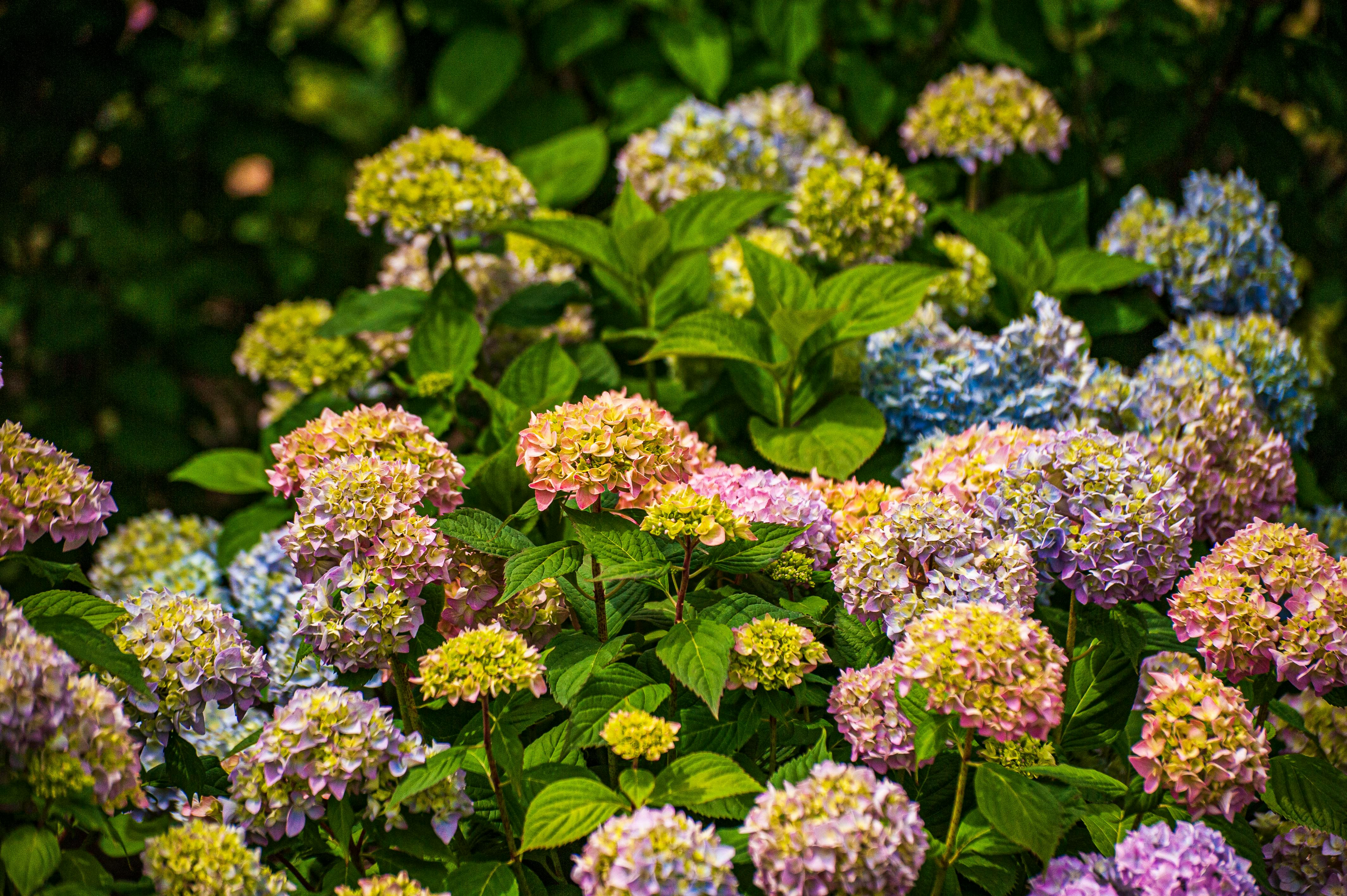
Seasonal styling: making one hydrangea collection work year-round
One of the biggest advantages of faux hydrangeas is how easily they transition through seasons. If you build your base in white, then add blue and pink as accent colors, you can update your look with minimal effort.
Spring
• Pink hydrangeas with light greenery for a fresh, garden feel.
• White hydrangeas with soft trailing greens for a clean spring reset.
Summer
• Blue hydrangeas with white for a coastal, breezy palette.
• Pink hydrangeas with brighter greens for cheerful summer color.
Fall (early fall styling)
• White hydrangeas paired with deeper greens and warmer textures (wood, woven, brass).
• Pink hydrangeas paired with caramel/rust accents for a late-summer-to-fall transition.
Winter
• White hydrangeas with evergreen stems for a crisp winter look.
• For a snow-kissed effect, try a wintry bundle like Snowy Hydrangea Bundle in seasonal arrangements.
Design formulas that always work (even if you’re not “good at arranging”)
If floral arranging feels intimidating, use a simple formula. Hydrangeas make this easier because they naturally create volume.
Formula 1: The “all-hydrangea” statement
Use only hydrangeas in one color (white, blue, or pink) for a clean, high-end look.
• Best for: dining tables, consoles, kitchen islands
• Tip: vary the angles of the stems so the heads don’t sit in a perfect line
Formula 2: Hydrangeas + greenery (the most realistic)
Hydrangeas as the main bloom, greenery as support and movement.
• Best for: everyday styling in living rooms and entryways
• Tip: let greenery extend slightly beyond the hydrangeas for a natural shape
Formula 3: Hydrangeas + one accent flower
Keep hydrangeas dominant and add one secondary flower type for texture.
• Best for: spring/summer tables and layered vignettes
• Tip: choose an accent flower that contrasts in shape (something airy or spiky)
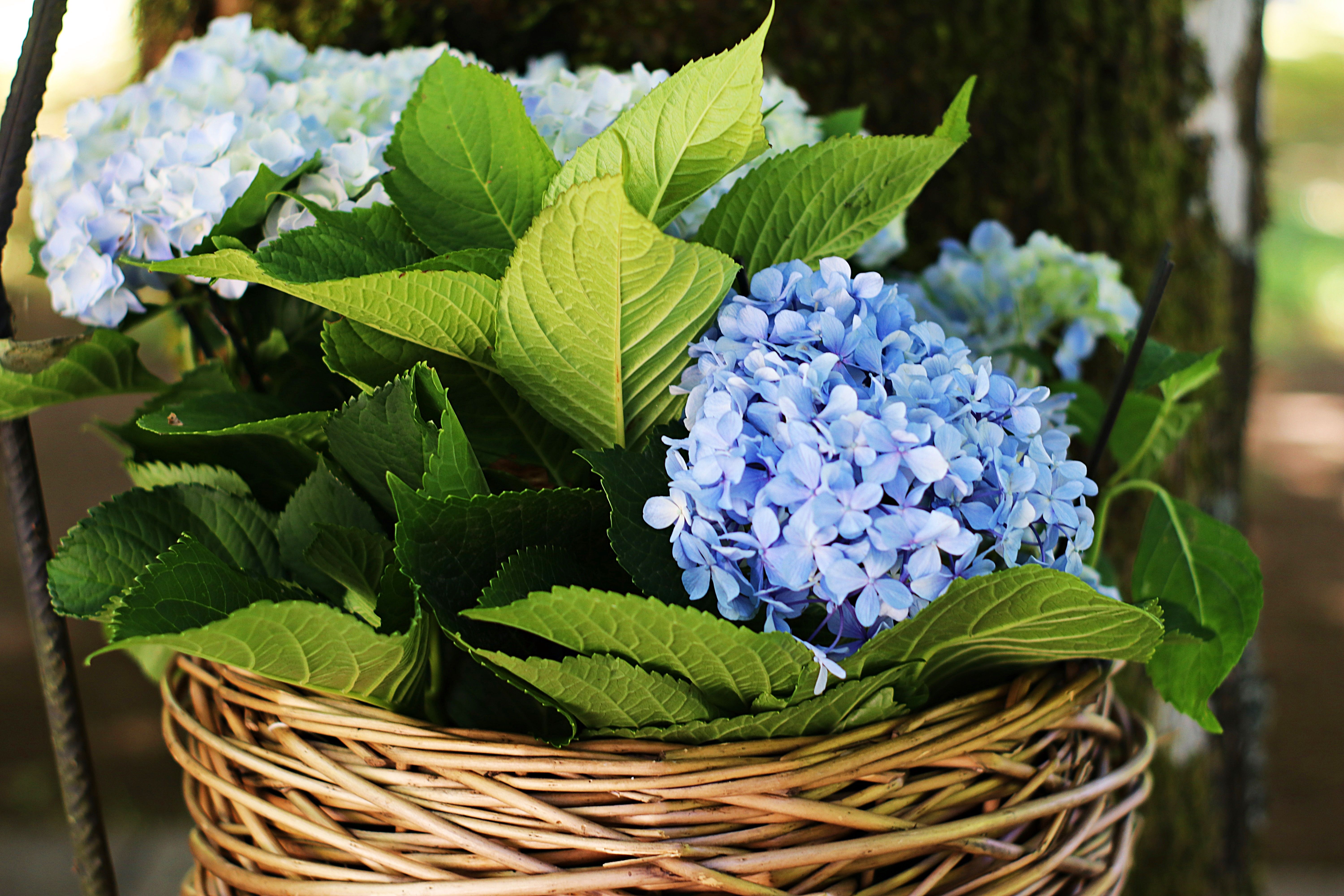
Buying guide: choosing the right type of artificial hydrangea
Not all silk hydrangeas are made the same. When you’re shopping, consider how and where you’ll use them.
Single stems vs. sprays vs. bundles
• Single stem hydrangeas: Best for statement vases and clean, simple arrangements. Try Natural Touch Garden Hydrangea or Natural Touch Grand Hydrangea when you want that focal bloom.
• Hydrangea sprays: Great for adding volume in lower arrangements, tucking into wreath work, or filling gaps. Consider Natural Touch 14" Hydrangea Spray.
• Bundles: Helpful for fast seasonal styling and fuller looks right away, especially winter looks like Snowy Hydrangea Bundle.
Petal shape: rounded vs. more natural variation
If you like a classic, full silhouette, a rounded petal style can look beautifully traditional. If you want a more fresh-from-the-garden feel, choose hydrangeas with subtle petal variation and nuanced color. For a rounded, full bloom look, consider Rounded Petal Hydrangea.
Scale: match bloom size to vase size
• Large vase, large blooms: Bigger hydrangea heads prevent the “tiny flower in a big vase” issue.
• Small vase, smaller blooms: Use mini hydrangeas or shorter sprays so the arrangement looks proportional, like Mini Soft Touch Hydrangea.
Care tips: keeping silk hydrangeas beautiful
High-quality silk hydrangeas that look real will stay that way longer with a little maintenance.
• Dust regularly: A quick, gentle pass keeps petals from dulling. (Dust is what makes faux florals look “fake” fastest.)
• Avoid direct sunlight: Like fabric, petals can fade over time in strong sun. Rotate arrangements if they sit in bright windows.
• Store with shape in mind: Don’t crush blooms in a tight bin. Give heads room, or wrap loosely to protect petals.
• Fluff and reshape: Before styling, gently separate petals and angle stems for a natural, organic silhouette.
Quick recommendations: which hydrangea color should you buy?
If you want the simplest decision:
• Start with white hydrangeas for the most flexible, year-round hydrangea decor.
• Add blue hydrangeas if you love calm color and classic contrast (especially in summer).
• Add pink hydrangeas if your home needs warmth and softness without going bold.
With a small collection in these three hydrangea colors, you can build arrangements that feel custom, seasonal, and polished—without the upkeep of fresh blooms.
If you’re ready to compare realistic options, you can explore staples like Natural Touch Garden Hydrangea and Natural Touch 14" Hydrangea Spray to create your own mix in white, blue, and pink.
Comments
Be the first to comment...