
A Complete Guide to Silk Flowers: How to Choose Artificial Flowers That Look Real
- Posted on
- 0

Silk flowers have come a long way. The best silk flowers today can be nearly indistinguishable from fresh stems at a glance, especially when you know what details to look for. But not all faux stems are created equal. Some realistic artificial flowers are designed for close-up, everyday styling; others are meant for quick seasonal decorating where durability matters more than botanically accurate details.
This guide breaks down how to choose silk flowers (and other realistic faux flowers) that look natural in your home, photograph beautifully, and hold up year after year. You’ll learn how to spot silk flower quality, which materials and finishes look most lifelike, and how to style fake flowers that look real so they don’t read as “fake.”
Silk flowers vs fake flowers: what’s the difference?
People use “silk flowers” as a catch-all phrase, but most high-end artificial flowers aren’t made from pure silk fabric. In everyday shopping terms, silk flowers typically means higher quality silk florals, stems made with better materials, more realistic color, and more detailed construction. Fake flowers often implies budget stems with flat color, stiff petals, and obvious plastic parts.
So when you’re comparing silk flowers vs fake flowers, focus less on the label and more on the craftsmanship: petal shape, texture, color variation, stem structure, and how the flower behaves when you handle it. Lifelike silk flowers look soft, layered, and botanically believable.
What makes artificial flowers that look real?
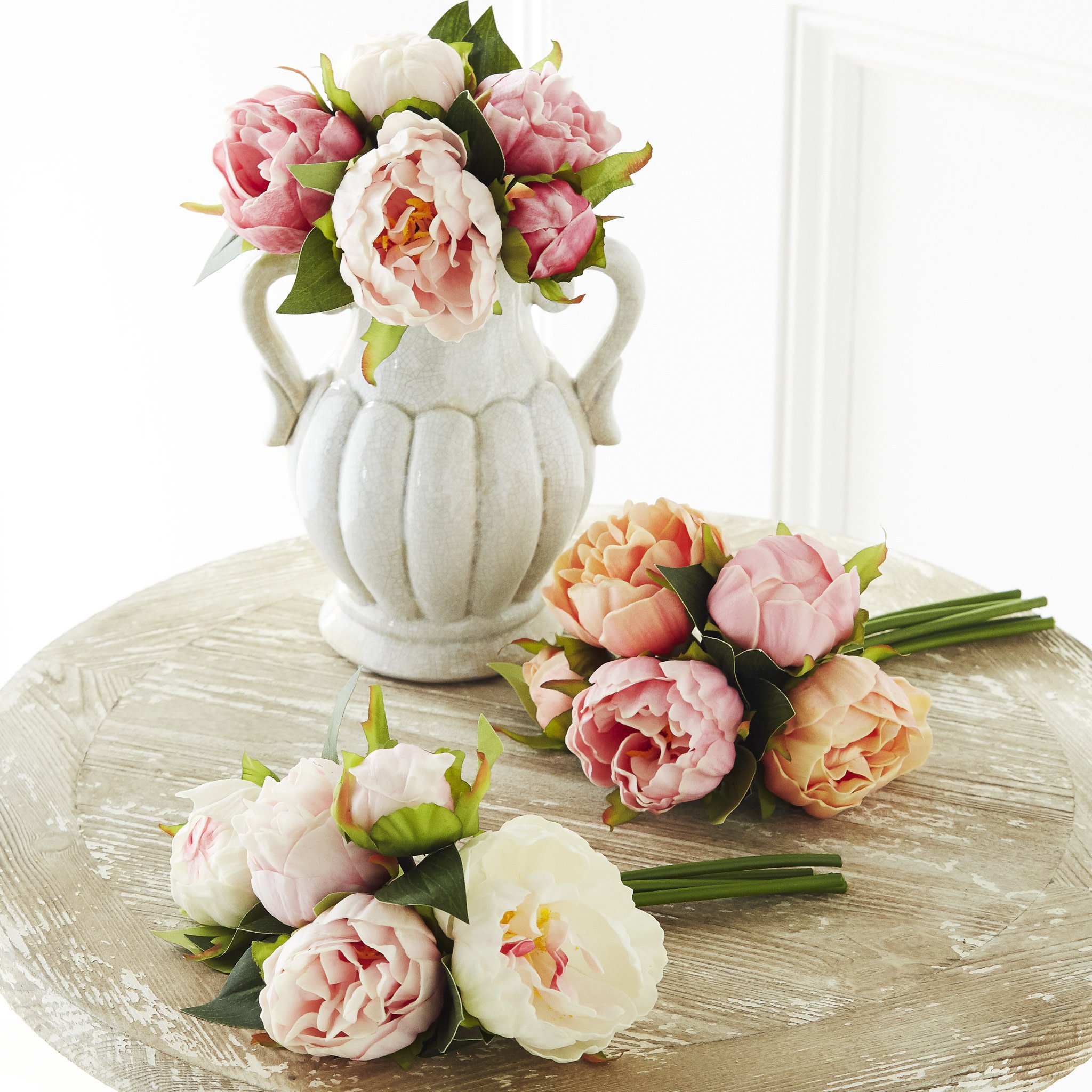
The most natural looking silk flowers get the “real” effect from many small cues working together. If even one major detail is off—like neon coloring or a shiny plastic stem—the illusion breaks. Here are the biggest factors that separate realistic artificial flowers from the rest.
1) Color variation (not one flat shade)
In nature, petals aren’t a single uniform color. Look for gentle shifts in tone: deeper color near the center, softer edges, and subtle veining. High quality silk flowers often include:
• Ombre or gradient coloring
• Veining and mottling on petals and leaves
• Natural greens (not overly bright or yellow)
If the flower is a perfectly consistent pink from base to edge, it will read as artificial—especially in daylight.
2) Petal structure and layering
Real blooms have depth. The best silk flowers mimic how petals overlap, curl, and vary in size. Check for:
• Multiple layers of petals (not just one ring)
• Petal thickness that feels convincing—neither flimsy nor stiff
• Natural curl and irregularity (perfect symmetry can look fake)
A quick tip: look at the bloom from the side. If it looks flat or “pancaked,” it won’t feel lifelike in an arrangement.
3) Texture you can see (and sometimes feel)
Texture is one of the fastest giveaways in choosing artificial flowers. Many realistic faux flowers use a mix of materials—soft-touch petals, velvety finishes, or coated surfaces—to reduce shine and imitate the feel of a fresh bloom.
For extra realism, look for “natural touch” or similar finishes that add a soft, slightly matte surface. These finishes can make white and blush blooms (which are notoriously hard to replicate) look far more believable up close.
4) A believable center (stamens, buds, and transitions)
The center of a flower is where budget stems often cut corners. On roses, peonies, and ranunculus, the transition into the center should look layered and organic. On hydrangeas, the tiny florets should have variation rather than identical stamped shapes.
If the center looks like a solid plastic nub, it’s rarely going to pass as a lifelike silk flower.
5) Leaves and greenery that match the bloom
Even if the flower head is gorgeous, unrealistic leaves can ruin the look. High quality silk florals typically have:
• Matte leaves with visible veining
• Color variation (slightly different greens, not one bright shade)
• Natural edges (not thick, blunt, or overly glossy)
Pay attention to scale, too. Leaves that are too large or too small for the bloom will look off.
6) Stems that don’t scream “plastic”
The stem is a key part of silk flower quality—especially if you use clear glass vases. Look for stems with realistic coloration, gentle variation, and a natural thickness. Many of the best silk flowers include:
• Wrapped stems that imitate floral tape
• Wired interiors so you can shape them naturally
• Realistic nodes and branching where appropriate
If the stem is a bright, shiny green rod, plan to use an opaque vase or style it into a fuller arrangement where stems are hidden.
Materials explained: what “silk” can actually mean
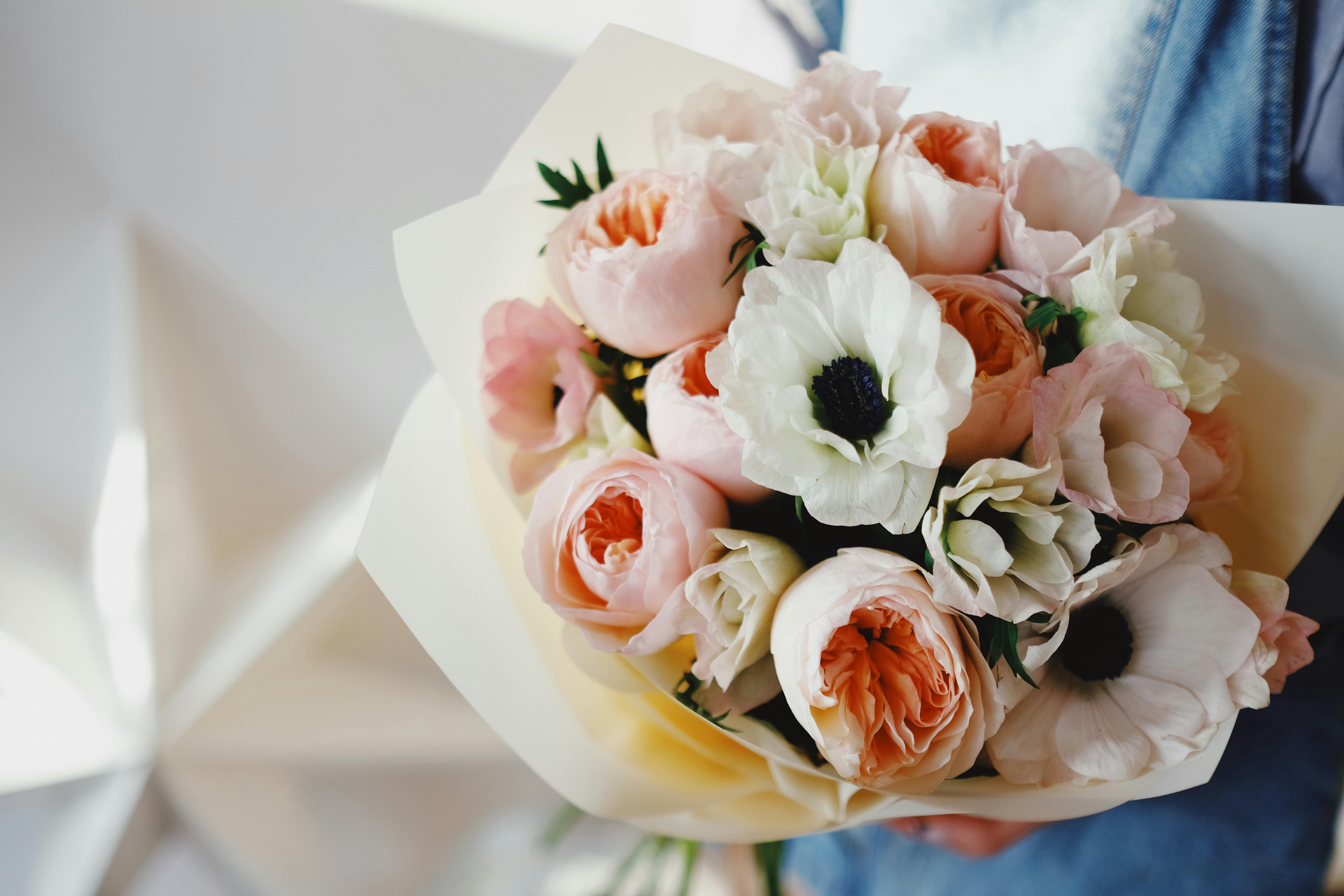
Understanding materials helps you shop smarter. When comparing quality silk florals, you’ll typically see a few common constructions:
• Polyester or fabric petals: Very common; can look excellent when layered and matte-finished.
• Latex or coated petals: Often used for “natural touch” effects; reduces shine and adds realism.
• Plastic components: Not automatically bad—many realistic artificial flowers use plastic strategically for durability, especially in stems and centers.
• Foam: Sometimes used in specialty stems; can be realistic in certain applications, but quality varies widely.
Rather than focusing on one “best” material, evaluate the finished look: texture, color, and botanical accuracy.
How to choose silk flowers: a practical checklist
If you’re shopping online, you can’t always touch the stems. Use this checklist to evaluate artificial flowers that look real quickly and confidently.
Check the photos like a stylist would
• Zoom in on petal edges: do they look soft and thin, or thick and cut out?
• Look for shine: glossy petals or leaves can read as plastic.
• Inspect the stem join: where the bloom meets the stem should look clean and believable.
• Look for variation: buds, partially open blooms, and irregular shapes add realism.
Read descriptions for signals of quality
Product descriptions often reveal whether a stem is designed to be realistic. Helpful cues include:
• “Natural touch” or realistic coating
• Wired stem for shaping
• Botanical naming (variety-specific, not just “flower stem”)
• Detailed measurements (overall length and bloom size)
Choose the right scale for your vase and space
Scale is one of the most overlooked parts of silk flower quality. A stem can be gorgeous but look unrealistic if it’s too large for a small vase or too petite for a dramatic arrangement.
• For kitchen islands and coffee tables, medium blooms and a moderate stem count usually look most natural.
• For entryways and mantels, longer stems and larger blooms read intentional and elevated.
• For bud vases, pick a single standout stem with a realistic stem and leaf structure.
Decide what “realistic” means for your use
Not every arrangement needs museum-level realism. Ask yourself where the flowers will live:
• Up close (dining table, bedside): prioritize lifelike silk flowers with natural touch petals and detailed centers.
• At a distance (high shelves, tall entry arrangements): shape, color, and fullness matter more than micro-details.
• Seasonal installs (wreaths, garlands, tree accents): durability and color impact may be the priority.
Best silk flowers by type: what to look for
Certain blooms are easier to replicate than others. Here’s how to evaluate popular categories—and what typically looks most realistic.
Hydrangeas: fullness, floret detail, and natural color
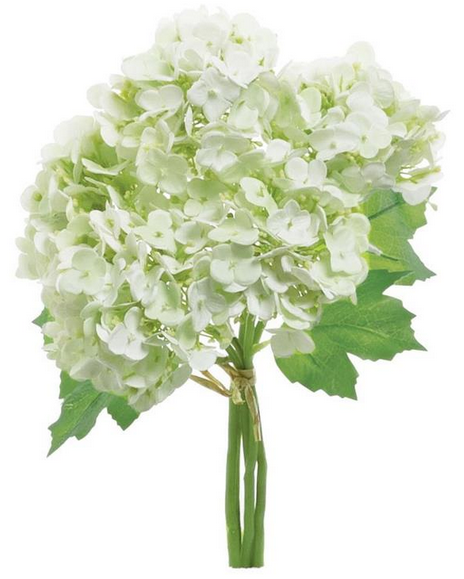
Hydrangeas are a favorite because they add volume fast. The challenge is floret realism: the tiny petals should vary slightly in angle and color, and the head should have dimension rather than looking like a perfectly round ball.
If you’re shopping for hydrangeas, start with a curated selection of Silk Hydrangeas. For a particularly lifelike option, consider the Natural Touch Garden Hydrangea, which is designed to look natural in both color and texture.
Roses: petal edges, center structure, and believable opening
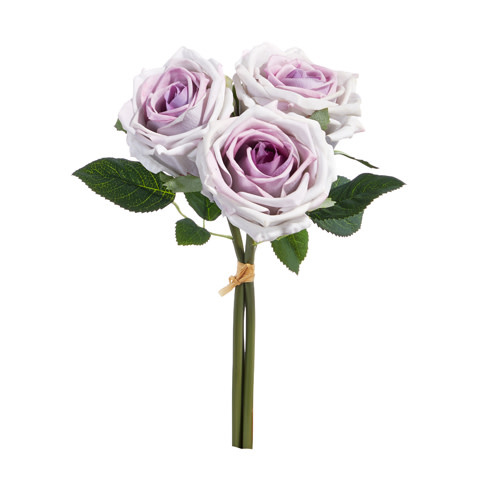
Roses can look incredibly real when the petal edges are thin, slightly imperfect, and softly curved. Avoid roses where the petals look stamped or uniformly spiraled with no variation.
Browse Silk Roses for styles that range from classic to garden-inspired. For a statement stem that leans romantic and realistic, the Natural Touch Sweet Juliet English Rose is a strong example of a rose designed to read as a fresh-cut bloom.
Peonies: weight, layering, and soft-touch realism

Peonies are all about lush layering. The most realistic artificial flowers in this category have lots of petals, a natural “ruffle,” and enough structure that the bloom holds its shape without looking stiff.
Explore Silk Peonies. If you want a single hero bloom for a vase or a bridal-style arrangement, the Natural Touch Peony Bloom is made to deliver that soft, freshly opened look.
Mixed stems and seasonal florals: cohesion matters
When building an arrangement from multiple stems, consistency is key. Even high quality silk flowers can look odd if you mix stems with different finishes (one matte, one glossy) or different scale (tiny leaves next to oversized blooms). Aim for cohesion in:
• Color temperature (warm vs cool whites, pinks, greens)
• Finish (matte vs shiny)
• Stem thickness and realism level
Pricing and value: what you’re really paying for
With silk flowers, price often tracks with construction. More expensive stems typically include better molds, more complex dye work, wired shaping, and time-intensive assembly. That said, “expensive” doesn’t always mean “best.” Use value-based thinking:
• Hero stems: Spend more on the focal blooms that sit at eye level or get handled often.
• Support stems: Save on fillers and greenery if they look convincing in a group.
• Longevity: A high-end stem you use year-round can cost less per use than fresh flowers every week.
If you’re weighing whether premium stems are worth it, the comparison in Real vs Artificial: Why High-Quality Silk Stems Are Worth the Investment can help you think through cost, convenience, and long-term styling.
Common mistakes that make faux flowers look fake
Even the best silk flowers can look unconvincing if they’re styled like a craft-store bundle. Avoid these frequent issues:
• Too perfect, too symmetrical: Real bouquets have negative space and variation.
• Stems standing straight up: Bend and shape wired stems so they arc naturally.
• Overcrowding the vase: Packing too many blooms can look artificial and heavy.
• Ignoring greenery: Leaves and secondary stems create realism and movement.
• Wrong vase scale: A tiny opening with thick stems can look forced; an oversized vase with too few stems looks sparse.
How to style realistic artificial flowers so they pass as real
Styling is where “nice” becomes “believable.” These techniques are used by visual merchandisers and stylists to make fake flowers that look real in photos and in person.
Shape every stem
Take two minutes to bend stems gently at different heights and angles. Real flowers don’t emerge from a vase like identical straws. Create a loose, asymmetrical outline with a few stems reaching out and a few tucked in.
Create a focal point and supporting cast
Pick 1–2 focal bloom types (like roses or peonies), then add smaller blooms and greenery to support them. This reduces the “all the same flower” look, which can feel artificial unless you’re intentionally doing a massed hydrangea arrangement.
Use odd numbers and varied heights
Odd numbers often look more natural. Try 3, 5, 7, or 9 focal stems depending on vase size. Then vary heights by trimming or bending so blooms sit at slightly different levels.
Choose a vase that helps the illusion
• Opaque ceramic or metal: Great for hiding stems and mechanics.
• Glass: Beautiful, but requires realistic stems—or a workaround.
If you love a clear vase but the stems aren’t realistic, you can still get a high-end look by using an opaque insert inside the vase opening (hidden by water-look filler is another approach), or by arranging the flowers so stems are less visible.
Add one “real” element when possible
One of the oldest styling tricks: pair silk flowers with something natural. That could be real greenery, a branch clipped from outdoors, or even a real bowl of fruit nearby. The mix helps the arrangement feel grounded and less staged.
Caring for silk flowers: keep them looking high-end
High quality silk flowers can last for years, but dust and sunlight will slowly dull them. A little upkeep keeps your realistic artificial flowers looking fresh.
• Dust regularly: A soft cloth or gentle air works well for routine cleaning.
• Store seasonally: Keep stems in a box away from crushing, moisture, and heat.
• Avoid harsh sun: Direct sunlight can fade dyes over time, especially on bright colors.
• Fluff after storage: Re-shape petals and bend stems back into a natural posture.
Quick buying guide: choosing artificial flowers with confidence
If you want a simple decision path, use this approach when shopping for quality silk florals:
-
-
Start with the flowers you love most (hydrangeas, roses, peonies).
-
Prioritize realism where it counts: blooms at eye level, centerpiece arrangements, and frequently photographed areas.
-
Look for matte finish + color variation as the fastest indicators of silk flower quality.
-
Plan your vase first so scale and stem length make sense.
-
Buy a few hero stems, style them, then build outward with supporting pieces.
-
If you’re ready to browse stems designed specifically to look natural, the Natural Silk Florals collection is a helpful place to start, with options that focus on realistic color, texture, and styling versatility.
Frequently asked questions about silk flower quality
Are silk flowers the same as realistic faux flowers?
Not always. “Silk flowers” is a common label, while “realistic faux flowers” describes the result. The most lifelike silk flowers usually combine better materials, layered construction, and realistic finishing—regardless of whether the petals are technically silk.
How can I tell if artificial flowers will look real online?
Zoom in on petal edges and centers, look for matte finishes and color variation, and check that stems and leaves don’t look glossy or overly thick. Photos that show the flower in a styled setting can also help you judge scale and realism.
What are the best silk flowers for beginners?
Hydrangeas, roses, and peonies are beginner-friendly because they create impact quickly and are easy to style in vases. Start with a few high quality silk flowers as focal stems, then add greenery for movement and realism.
Why do some fake flowers that look real cost more?
More realistic stems usually involve better molds, more detailed dye work, more petals and parts, wired shaping, and finishes that reduce shine and improve texture. You’re paying for the small details that keep the arrangement from looking artificial.
Final thoughts: the “real” secret is detail plus styling
The difference between average stems and artificial flowers that look real is rarely one thing—it’s the combination of believable color, layered petals, matte texture, realistic stems, and thoughtful styling. When you know how to choose silk flowers with these details in mind, you can build arrangements that feel natural in your home, photograph beautifully, and stay gorgeous season after season.
Comments
Be the first to comment...